

Can You Have Just One Rabbit? The Truth About Single Rabbit Ownership
The prevailing wisdom often suggests rabbits need companions, but can you have just one rabbit? Yes, it’s possible, but success hinges on understanding their social needs and committing to providing the enrichment and interaction they crave to thrive.

Understanding the Social Nature of Rabbits
Rabbits are often portrayed as solitary creatures, but in reality, they are social animals. In the wild, rabbits live in warrens, complex social structures with established hierarchies. While not all rabbits get along, this inherent social inclination means that they generally benefit from companionship. Understanding this is crucial when considering if can you have just one rabbit?.
Benefits of Companion Rabbits
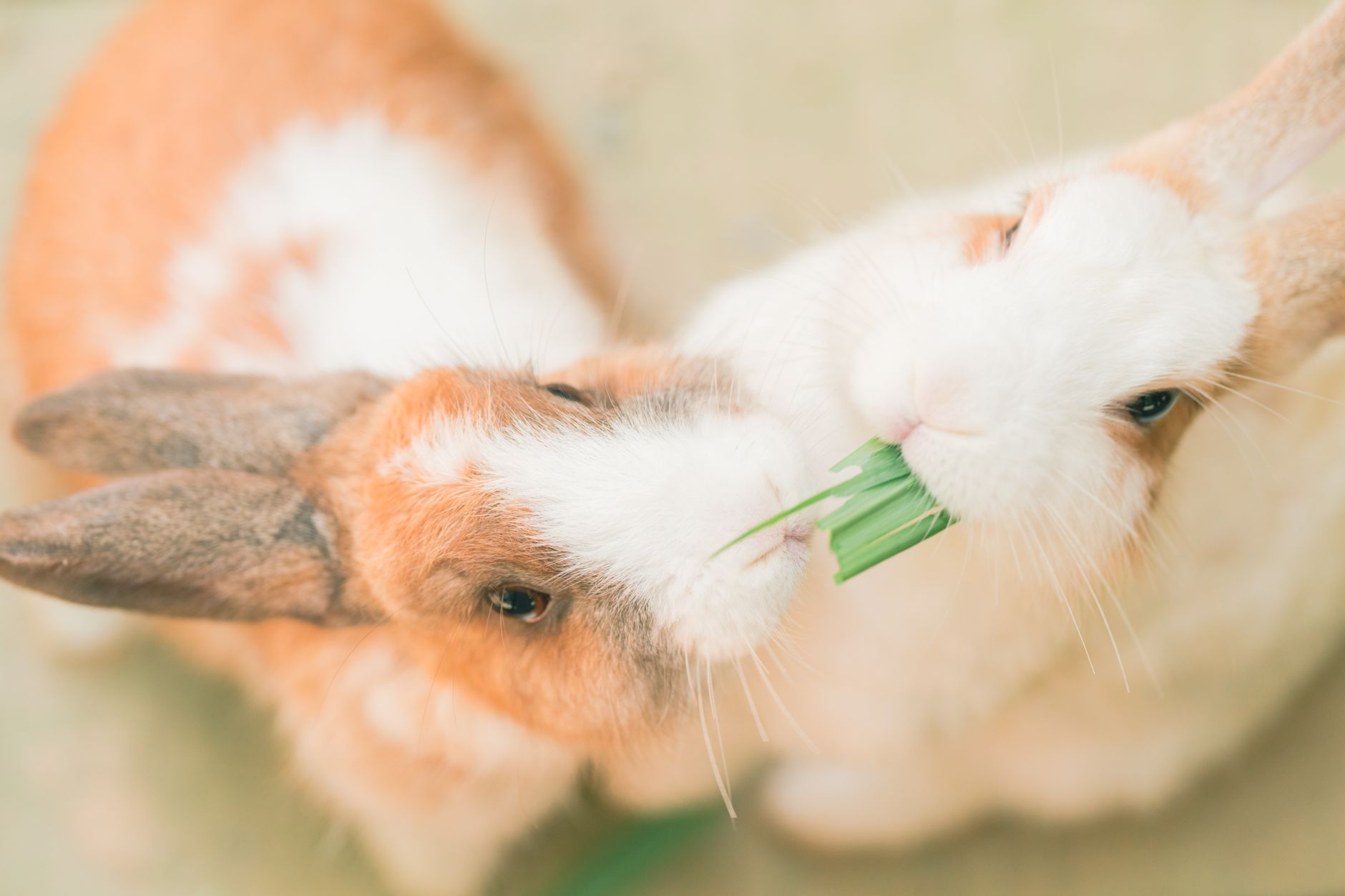
Keeping two or more rabbits together offers numerous advantages:
- Companionship: They provide each other with company, reducing boredom and loneliness.
- Natural Behaviors: Rabbits can engage in natural behaviors like grooming, playing, and resting together.
- Reduced Stress: The presence of another rabbit can provide a sense of security and reduce stress.
- Improved Health: Social interaction can stimulate their minds and bodies, contributing to better overall health.
Considerations Before Getting a Second Rabbit
While the benefits are clear, introducing a second rabbit isn’t always seamless. Key considerations include:
- Rabbit Compatibility: Rabbits have distinct personalities, and some may not get along. A slow, supervised introduction process is vital.
- Neutering/Spaying: Both rabbits must be spayed or neutered to prevent unwanted litters and reduce aggressive behaviors.
- Space Requirements: Two rabbits require significantly more space than one.
- Financial Commitment: Doubling your rabbit population doubles your expenses (food, vet care, toys).
Making a Single Rabbit Happy: Enrichment is Key
If can you have just one rabbit? is your choice, you must compensate for the lack of a rabbit companion. Enrichment is paramount.
- Daily Interaction: Spend dedicated time each day interacting with your rabbit. This could involve petting, grooming, playing, or simply sitting with them.
- Mental Stimulation: Provide toys that encourage exploration and problem-solving, such as puzzle toys, tunnels, and cardboard boxes.
- Environmental Enrichment: Design their living space to be stimulating. Include multiple levels, hiding places, and different textures. Rotate toys regularly to keep things interesting.
- Positive Reinforcement Training: Teaching your rabbit tricks or simple commands can be a great way to bond and provide mental stimulation.
Common Mistakes to Avoid
- Neglecting Interaction: Assuming your rabbit is happy simply because they have food and water. Rabbits need social interaction.
- Insufficient Enrichment: Providing only basic necessities and neglecting to offer toys and opportunities for play.
- Inadequate Space: Confining your rabbit to a small cage for extended periods. Even a single rabbit needs plenty of space to move around.
- Ignoring Behavioral Changes: Failing to recognize signs of boredom, depression, or stress in your rabbit.
Deciding What’s Right For You
The question of can you have just one rabbit? is deeply personal and depends on your lifestyle and the rabbit’s personality. If you can commit to providing a stimulating and enriching environment and dedicating time to interact with your rabbit, it is possible for them to thrive as a solo bunny. However, it’s crucial to be honest with yourself about your ability to meet their needs. If you’re unsure, adopting a bonded pair from a rescue organization is often the best solution.
Frequently Asked Questions (FAQs)

What are the signs of a lonely rabbit?
A lonely rabbit may exhibit signs of boredom, depression, or stress. These can include lethargy, loss of appetite, over-grooming, destructive behaviors (like chewing on their cage), and increased vocalizations (although rabbits are typically quiet). Promptly addressing these signs is crucial.
Is it cruel to keep a single rabbit in a cage all day?
Yes, it is generally considered cruel to keep any rabbit, single or otherwise, confined to a small cage for extended periods. Rabbits need ample space to move around, stretch, and explore. Regular exercise and access to a larger area, like a bunny-proofed room, are essential for their physical and mental well-being. A suitable enclosure should primarily serve as a home base, not a prison.
How much time should I spend with my single rabbit each day?
Ideally, you should aim to spend at least 1-2 hours actively interacting with your rabbit each day. This could include petting, grooming, playing, training, or simply sitting quietly with them. The more interaction you provide, the happier and healthier your rabbit will be. Consistency is key.
Can I substitute human interaction for a rabbit companion?
While human interaction is vital, it’s not a complete substitute for the companionship of another rabbit. Rabbits communicate and interact in ways that humans cannot fully replicate. However, with sufficient dedication and effort, you can significantly enrich a single rabbit’s life.
What are some good toys for a single rabbit?
Good toys for a single rabbit include:
- Cardboard boxes (for chewing and hiding)
- Tunnels (for exploring)
- Puzzle toys (to challenge their minds)
- Chew toys (made of wood, willow, or apple sticks)
- Balls (for pushing and chasing)
Rotating toys regularly prevents boredom.
How do I know if my rabbit is happy?
A happy rabbit typically exhibits behaviors like:
- Binkies (jumping and twisting in the air)
- Relaxed posture (lying down with their legs stretched out)
- Healthy appetite
- Curious and playful behavior
- Approaching you for attention
Paying close attention to your rabbit’s behavior is crucial.
Is it easier to bond two baby rabbits than two adults?
While it might seem easier, bonding two baby rabbits isn’t always a guaranteed success. Their personalities can change as they mature, potentially leading to conflicts. Furthermore, sexually maturing bunnies can get quite territorial. Neutering/spaying remains essential, regardless of age.
What if I can’t dedicate enough time to a single rabbit?
If you’re unable to dedicate sufficient time and attention to a single rabbit, it’s best to consider adopting a bonded pair or rehoming your rabbit to someone who can provide them with the companionship they need.
Can I keep a rabbit with other pets, like cats or dogs?
While it’s possible to keep rabbits with other pets, it requires careful supervision and a gradual introduction process. Not all cats and dogs are safe around rabbits, and even seemingly friendly pets can accidentally injure a rabbit. Always prioritize the rabbit’s safety.
What are the long-term effects of loneliness on a rabbit’s health?
Chronic loneliness can have negative effects on a rabbit’s physical and mental health, leading to a weakened immune system, digestive problems, behavioral issues, and a shorter lifespan. Prevention is key.
Are certain rabbit breeds more suitable for living alone?
There’s no definitive answer to this, as personality varies greatly between individual rabbits, regardless of breed. Some breeds may be known for being more independent, but this doesn’t guarantee they won’t benefit from companionship.
If I decide to get a second rabbit, how should I introduce them?
Introducing rabbits requires a gradual and supervised process. Start by keeping them in separate enclosures within sight and smell of each other. Gradually allow them to spend time together in a neutral space, closely monitoring their interactions. Never force them to interact and separate them if they show signs of aggression. The process can take days, weeks, or even months.