

Can You Eat Shrimp Raw? A Deep Dive into Safety and Culinary Considerations
No, you generally should not eat shrimp raw. While it might seem tempting, and certain cultures have traditions of consuming lightly prepared shrimp, the risks associated with parasites and bacteria are significant and can be mitigated by properly cooking the shrimp.
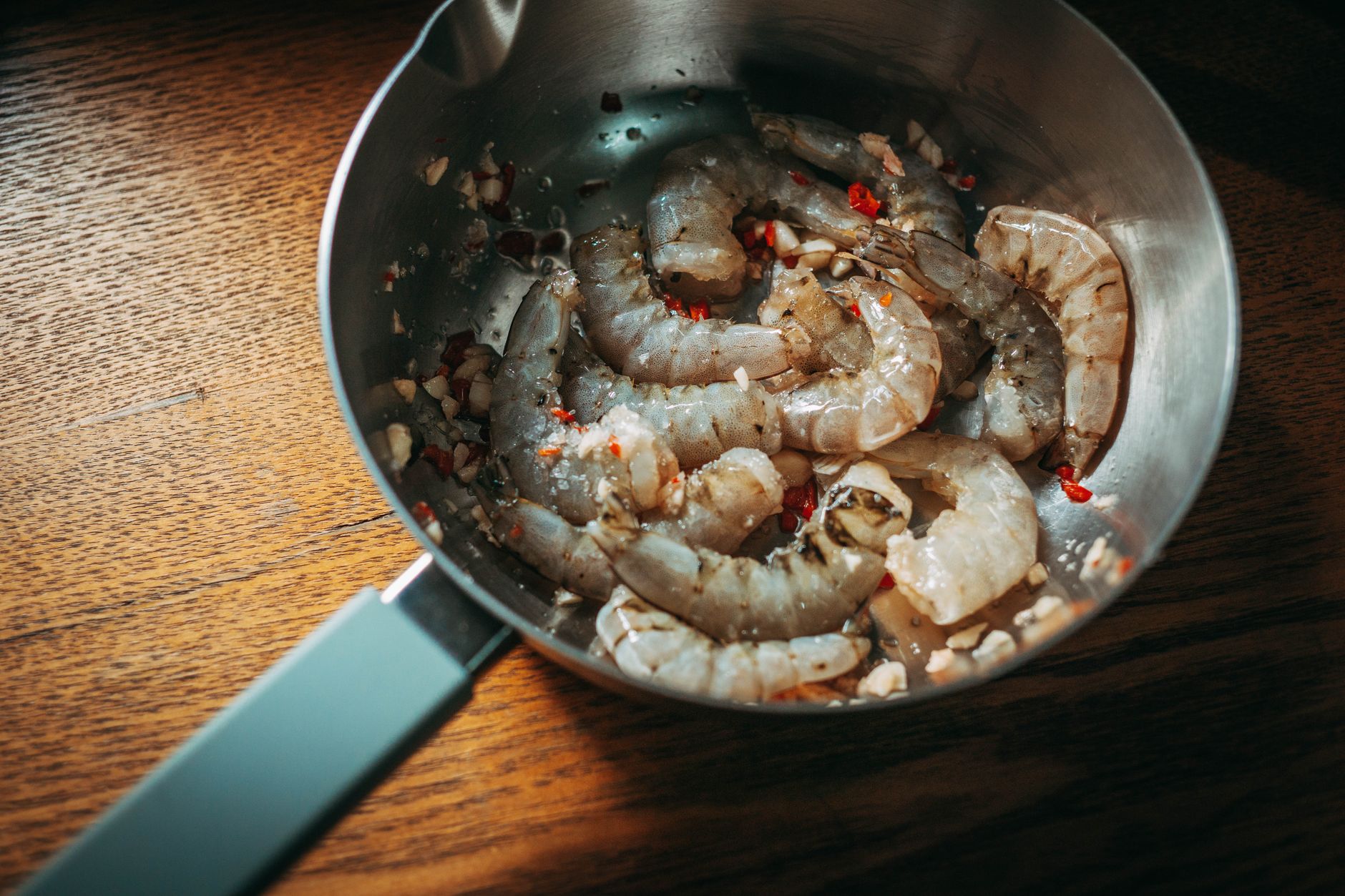
Introduction: The Allure and Peril of Raw Shrimp
The appeal of raw seafood is undeniable. The delicate textures, subtle flavors, and the perception of a more “pure” culinary experience draw many to dishes like sushi and ceviche. However, when it comes to Can you eat shrimp raw?, the answer is rarely a straightforward yes. This article will delve into the complexities of consuming raw shrimp, exploring the associated risks, safer preparation methods, and offering expert-backed advice to help you make informed decisions.
Understanding the Risks: Parasites, Bacteria, and Contamination

The primary concern with eating raw shrimp lies in the potential presence of parasites and bacteria. Shrimp, like many seafood sources, can harbor various microorganisms that are harmless when cooked but can cause illness when consumed raw.
- Parasites: Several parasites, including nematodes (roundworms) and trematodes (flukes), can be found in raw shrimp. These parasites can cause gastrointestinal distress and other health problems if ingested.
- Bacteria: Bacteria such as Vibrio species are commonly found in marine environments and can contaminate shrimp. Consuming raw shrimp contaminated with Vibrio can lead to severe food poisoning. Symptoms can range from diarrhea and vomiting to more serious complications like septicemia.
- Contamination: Raw shrimp can also be contaminated with other pathogens from the water, such as viruses or pollutants.
Safe Preparation Techniques: Minimizing Risks
While it’s generally recommended to avoid eating shrimp raw, certain preparation techniques can reduce, but not eliminate, the risk of illness.
- Freezing: Freezing shrimp at -4°F (-20°C) for at least 7 days can kill many parasites. However, this method doesn’t eliminate all bacteria and viruses.
- Marinating (Ceviche): The acidic environment of marinades like lime juice can kill some bacteria and parasites. However, marinating shrimp is not a substitute for cooking.
- Source Matters: Obtaining shrimp from reputable sources that adhere to strict hygiene standards can reduce the risk of contamination. Look for certifications like Best Aquaculture Practices (BAP) or Aquaculture Stewardship Council (ASC).
Nutritional Value of Shrimp (Cooked vs. Raw)
Shrimp is a good source of protein, omega-3 fatty acids, and various vitamins and minerals.
| Nutrient | Cooked Shrimp (100g) | Raw Shrimp (100g) |
|---|---|---|
| Calories | 99 | 106 |
| Protein | 24g | 20g |
| Fat | 0.3g | 1.7g |
| Omega-3 Fatty Acids | Present | Present |
While the nutritional profile is similar between cooked and raw shrimp, the benefits of eating cooked shrimp outweigh any marginal nutritional advantages due to the significant reduction in health risks.
Consumer Considerations: Who Should Absolutely Avoid Raw Shrimp?
Certain populations are at a higher risk of developing severe illness from consuming raw shrimp:
- Pregnant Women: The risk of foodborne illness poses a threat to both the mother and the developing fetus.
- Children: Young children have weaker immune systems and are more susceptible to infections.
- Elderly Individuals: The elderly also have compromised immune systems, making them more vulnerable to foodborne illnesses.
- Individuals with Weakened Immune Systems: People with conditions like HIV/AIDS, cancer, or those taking immunosuppressant medications should avoid raw shrimp entirely.
Cooking Shrimp Properly: Ensuring Safety
The best way to ensure the safety of shrimp is to cook it thoroughly. Shrimp is considered cooked when it reaches an internal temperature of 145°F (63°C).
- Visual Cues: Properly cooked shrimp will be opaque and pink.
- Texture: The texture should be firm and slightly springy.
- Methods: Shrimp can be cooked using various methods, including boiling, steaming, frying, grilling, and baking.

Frequently Asked Questions About Eating Raw Shrimp
Is it ever safe to eat raw shrimp?
While freezing and marinating can reduce risks, it’s never entirely safe to eat raw shrimp. The potential for parasitic and bacterial contamination always exists. Stick to eating cooked shrimp to ensure safety.
What are the symptoms of food poisoning from raw shrimp?
Symptoms can include nausea, vomiting, diarrhea, abdominal cramps, fever, and chills. These symptoms can appear within a few hours to several days after consuming contaminated shrimp. Consult a doctor if you experience severe symptoms.
Can freezing shrimp kill all parasites and bacteria?
Freezing can kill most parasites but does not eliminate all bacteria. Proper cooking is still necessary to ensure safety.
Is marinated shrimp (ceviche) safe to eat?
The acid in marinades like lime juice can kill some pathogens, but it’s not a guarantee. Ceviche is still considered a risky food, especially for vulnerable populations.
Does all raw shrimp contain parasites?
Not all raw shrimp contains parasites, but the risk is significant enough to warrant caution. It’s impossible to visually determine if shrimp is parasite-free.
How can I tell if shrimp is properly cooked?
Cooked shrimp should be opaque, pink, and firm to the touch. Avoid shrimp that is translucent or mushy.
Where can I buy the safest shrimp?
Look for shrimp that has been sustainably sourced and processed under strict hygiene standards. Check for certifications like BAP or ASC. Reputable fishmongers and grocery stores are more likely to carry high-quality shrimp.
Can I get sick from touching raw shrimp?
Touching raw shrimp is unlikely to make you sick if you wash your hands thoroughly afterward. However, avoid touching your face or mouth after handling raw seafood.
Is sushi-grade shrimp safe to eat raw?
The term “sushi-grade” isn’t strictly regulated, but it generally refers to seafood that has been handled and processed to minimize the risk of parasites and bacteria. Even so, the risk is never zero, and pregnant women and immunocompromised individuals should still avoid it.
How long can I store raw shrimp in the refrigerator?
Raw shrimp should be stored in the refrigerator at 40°F (4°C) or below and used within 1-2 days. Discard any shrimp that smells fishy or ammonia-like.
What is the best way to thaw frozen shrimp safely?
The safest way to thaw frozen shrimp is in the refrigerator overnight. You can also thaw it under cold running water, but make sure to cook it immediately afterward.
Are shrimp tails safe to eat raw?
No, shrimp tails are not safe to eat raw. The same risks associated with the body of the shrimp apply to the tail. Always cook shrimp thoroughly before consuming any part of it.