
Can You Brine Shrimp with Shell On?: A Definitive Guide
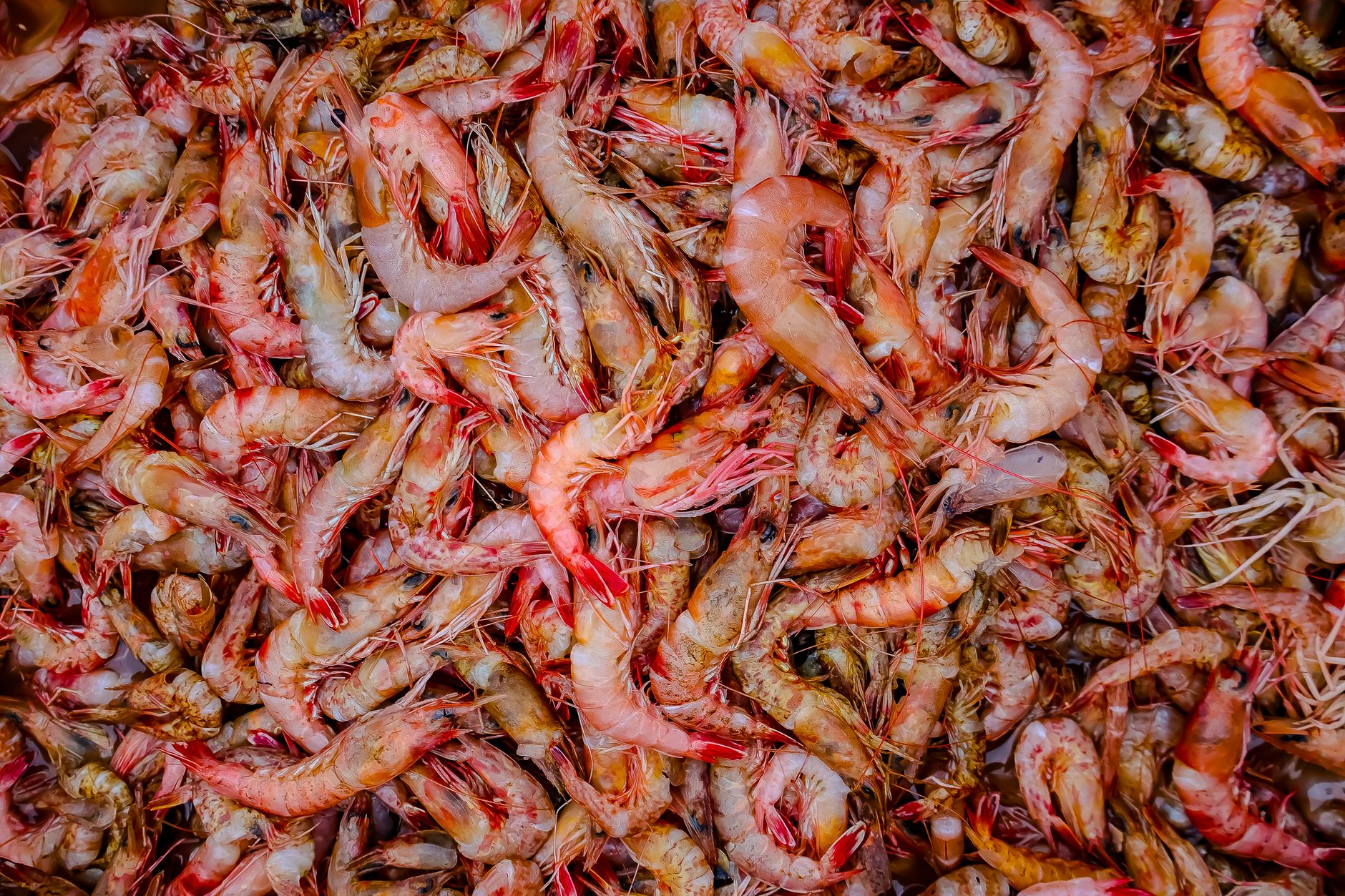
Yes, you can brine shrimp with the shell on, and in many cases, it’s the preferred method for enhancing flavor and texture, especially when grilling or pan-frying. The shell helps retain moisture during cooking, resulting in more succulent and flavorful shrimp.

Introduction: The Art of Brining Shrimp
Brining is a technique that involves soaking food in a saltwater solution, enhancing its flavor and moisture content. It’s a common practice for meats like poultry and pork, but it’s equally effective with seafood, especially shrimp. The process of brining draws moisture into the shrimp, preventing it from drying out during cooking. Can you brine shrimp with shell on? Absolutely, and the shell offers additional benefits. This article explores the nuances of brining shrimp with the shell intact, offering a comprehensive guide to achieving optimal results.
Benefits of Brining Shrimp with the Shell On

Brining shrimp, particularly with the shell on, offers several significant advantages:
- Enhanced Flavor: The brine permeates the shrimp, seasoning it from within and adding a savory depth of flavor.
- Improved Moisture Retention: The shell acts as a barrier, preventing moisture loss during cooking and resulting in juicier shrimp.
- Tender Texture: The salt in the brine breaks down muscle proteins, leading to a more tender and delicate texture.
- Protection During Cooking: The shell helps protect the shrimp from direct heat, reducing the risk of overcooking and charring.
- Visual Appeal: Shrimp cooked in the shell often presents better visually, especially when grilled, giving a more rustic and appealing look.
The Brining Process: Step-by-Step
Here’s a detailed guide to brining shrimp with the shell on:
- Prepare the Brine: In a bowl, combine water, salt, and sugar. The ratio of salt to water is crucial; a general guideline is 1/4 cup of salt per 4 cups of water. A small amount of sugar (about 1 tablespoon per 4 cups of water) can also be added to balance the flavors.
- Flavor Enhancements (Optional): Consider adding aromatics like bay leaves, garlic cloves, peppercorns, lemon slices, or herbs to the brine for added complexity.
- Dissolve the Solids: Stir the brine vigorously until the salt and sugar are completely dissolved.
- Chill the Brine: Ensure the brine is ice-cold before adding the shrimp. This helps prevent bacterial growth.
- Submerge the Shrimp: Place the shrimp (with the shell on) in the brine, ensuring they are fully submerged. Use a plate or a bag filled with ice to weigh them down if necessary.
- Refrigerate: Cover the bowl and refrigerate for the recommended brining time (typically 15-30 minutes, depending on the size of the shrimp).
- Rinse and Dry: Remove the shrimp from the brine and rinse them thoroughly under cold water. Pat them dry with paper towels before cooking.
Common Mistakes to Avoid
Brining shrimp, while straightforward, can be prone to errors that compromise the results. Here are some common pitfalls:
- Over-Brining: Brining for too long can result in excessively salty shrimp. Stick to the recommended time.
- Warm Brine: Using a warm brine can encourage bacterial growth and negatively impact the shrimp’s texture. Always ensure the brine is ice-cold.
- Ignoring the Salt Ratio: Using too much or too little salt can ruin the flavor and texture. Stick to the recommended ratio.
- Not Rinsing Thoroughly: Failure to rinse the shrimp adequately after brining can result in overly salty shrimp.
- Using Iodized Salt: Iodized salt can impart a metallic taste. Use kosher salt or sea salt instead.
Brining Times: A Quick Reference
| Shrimp Size | Brining Time (Minutes) |
|---|---|
| Small (41/50) | 15-20 |
| Medium (31/40) | 20-25 |
| Large (21/30) | 25-30 |
| Jumbo (16/20) | 30 |
Cooking Methods After Brining
Brined shrimp, especially those with the shell on, are incredibly versatile and can be prepared using various cooking methods:
- Grilling: Grilling imparts a smoky flavor and creates a visually appealing char on the shell.
- Pan-Frying: Pan-frying results in crispy, flavorful shrimp.
- Roasting: Roasting in the oven is a hands-off method that delivers consistent results.
- Steaming: Steaming is a gentle cooking method that preserves the shrimp’s delicate texture.
- Boiling: While often avoided, a quick boil can be effective, especially for shrimp intended for salads or cocktails.
Frequently Asked Questions (FAQs)
Can I brine frozen shrimp with the shell on?
Yes, you can brine frozen shrimp, but it’s best to thaw them completely in the refrigerator first. This allows the brine to penetrate the shrimp more evenly. Ensure the thawed shrimp are drained well before brining.
What type of salt is best for brining shrimp?
Kosher salt or sea salt are the best options for brining shrimp. Avoid using iodized salt, as it can impart a metallic taste to the shrimp.
How long can I brine shrimp with the shell on?
The brining time depends on the size of the shrimp. Generally, 15-30 minutes is sufficient. Refer to the brining time chart above for specific recommendations.
Can I brine shrimp overnight?
No, brining shrimp overnight is not recommended. This can result in overly salty and rubbery shrimp. Stick to the recommended brining times.
Can I reuse the brine?
No, it is not recommended to reuse brine. Brine can become contaminated with bacteria and should be discarded after each use.
What is the ideal salt-to-water ratio for brining shrimp?
A general guideline is 1/4 cup of salt per 4 cups of water. Adjust the ratio slightly based on your personal preference.
Do I need to add sugar to the brine?
Adding a small amount of sugar (about 1 tablespoon per 4 cups of water) can balance the flavors and contribute to browning during cooking. However, it is optional.
How do I know if the shrimp are fully brined?
You’ll notice a slight change in the shrimp’s appearance and texture. They should appear slightly plumper and more translucent. Avoid relying solely on visual cues; stick to the recommended brining times.
Should I devein the shrimp before brining?
You can devein the shrimp before or after brining. However, deveining before brining allows the brine to penetrate more evenly.
Does brining affect the shelf life of shrimp?
Brining itself doesn’t significantly affect the shelf life of shrimp. However, it’s essential to store brined shrimp properly in the refrigerator and cook them within a day or two.
What if my brined shrimp are too salty?
If your brined shrimp are too salty, soak them in fresh, cold water for 15-30 minutes to draw out some of the excess salt. You can also adjust the salt content in your subsequent brine recipes.
Can you brine shrimp with shell on and then freeze them?
While possible, it’s generally not recommended to freeze shrimp after brining. Freezing can affect the texture. If you must, ensure they are thoroughly dried and packaged in an airtight container to prevent freezer burn.
In conclusion, can you brine shrimp with shell on? Yes, it’s an excellent technique that enhances both flavor and texture. By following the guidelines outlined above, you can elevate your shrimp dishes to new culinary heights. Enjoy!