
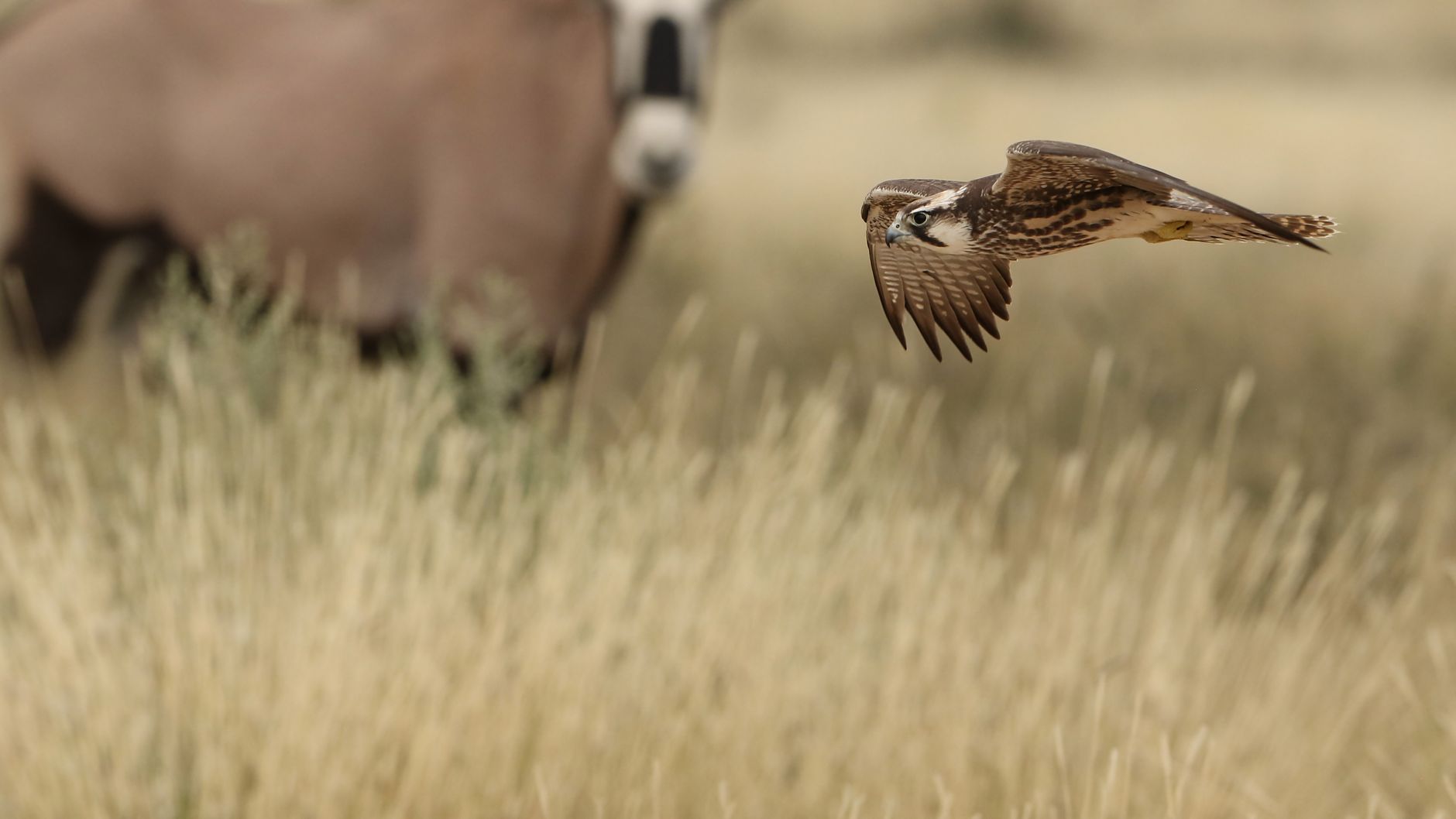
Can You Befriend a Bird of Prey? Exploring the Bonds Between Humans and Raptors
The possibility of befriending a bird of prey is intriguing but complex; while forming a trusting relationship is achievable, establishing genuine friendship as we understand it with domestic animals is highly unlikely. Ultimately, can you befriend a bird of prey? The answer is nuanced, residing more in mutual respect and cooperation than true companionship.

Understanding Birds of Prey
Birds of prey, also known as raptors, are apex predators in their respective ecosystems. Their characteristics, like sharp talons, powerful beaks, and keen eyesight, equip them for hunting. These traits also contribute to their inherent wildness, making forming traditional friendships challenging.
- Physical Attributes: Talons, beaks, eyesight, flight.
- Behavioral Traits: Hunting instincts, territoriality, independence.
- Examples: Eagles, hawks, owls, falcons.
The Potential for Connection

While true “friendship” in the human sense may not be feasible, establishing a strong, trust-based relationship with a bird of prey is possible, especially in controlled environments like falconry or rehabilitation centers. These bonds are often built on dependence and positive reinforcement, not reciprocal affection.
The Role of Falconry
Falconry provides a unique insight into human-raptor interactions. Falconers develop a deep understanding of their birds’ behavior and needs. Through consistent training and care, they cultivate a level of mutual respect and trust. The bird relies on the falconer for food and safety, while the falconer relies on the bird for hunting prowess. This is a symbiotic relationship, but not necessarily one of “friendship”.
Rehabilitation and Rescue
Wildlife rehabilitators often form strong bonds with injured or orphaned raptors. They provide essential care, fostering a sense of trust and reliance. However, the ultimate goal is always to release the bird back into the wild. This highlights the inherent wildness of these creatures and the importance of prioritizing their natural instincts.
Common Misconceptions
Many misconceptions surround the idea of befriending a bird of prey.
- Myth: They can be domesticated like dogs or cats.
- Reality: Their instincts remain wild, and their behavior is driven by survival needs.
- Myth: They feel emotions in the same way humans do.
- Reality: Their emotional range is likely different, primarily focused on survival and reproduction.
The Ethical Considerations
Attempting to “befriend” a wild bird of prey raises significant ethical concerns. Feeding wild raptors can disrupt their natural hunting patterns and create dependence. Keeping them as pets is illegal and harmful to their well-being. It is crucial to respect their wild nature and avoid actions that could compromise their survival.
Alternative Ways to Appreciate Raptors
There are many ethical and responsible ways to appreciate birds of prey without attempting to “befriend” them.
- Birdwatching: Observe them in their natural habitat.
- Supporting Conservation Efforts: Contribute to organizations dedicated to raptor protection.
- Visiting Educational Centers: Learn about raptor biology and behavior.

Frequently Asked Questions (FAQs)
Can you actually train a bird of prey?
Yes, birds of prey can be trained, primarily through operant conditioning and positive reinforcement. Falconry is a prime example of this, where birds are trained to hunt in partnership with humans. However, training does not equate to friendship; it’s a learned behavior based on reward and consequence.
What are the legal implications of interacting with birds of prey?
Owning a bird of prey is heavily regulated and typically requires specific permits and licenses, often associated with falconry or wildlife rehabilitation. Interacting with wild birds of prey without proper authorization is generally illegal and can result in significant fines or penalties.
Is it safe to approach an injured bird of prey?
No, it is generally not safe to approach an injured bird of prey. They are still wild animals and can inflict serious injuries with their talons and beaks. Instead, contact a local wildlife rehabilitator or animal control officer for assistance.
What is the best way to attract birds of prey to my property?
Providing a suitable habitat is the best way to attract birds of prey. This includes maintaining open spaces, planting native trees and shrubs, and avoiding the use of pesticides. You can also install nesting boxes designed specifically for certain species.
How do falconers build a bond with their birds?
Falconers build a bond with their birds through consistent training, care, and positive reinforcement. They spend a significant amount of time with their birds, understanding their individual personalities and needs. This dedication fosters a level of trust and cooperation.
Do birds of prey recognize individual humans?
Yes, birds of prey can recognize individual humans, especially those who interact with them regularly. They can distinguish between different people based on their appearance, voice, and scent. However, this recognition doesn’t necessarily translate to friendship.
Can birds of prey show affection?
While birds of prey may not display affection in the same way as mammals, they can exhibit behaviors that suggest a degree of bonding. These behaviors might include preening, vocalizations, or simply tolerating the presence of a trusted human.
What is the difference between domestication and taming?
Domestication is a long-term evolutionary process that involves selectively breeding animals for specific traits over many generations. Taming, on the other hand, is simply the process of making a wild animal accustomed to human presence and handling. Birds of prey have not been domesticated.
Are some species of birds of prey easier to “befriend” than others?
Some species of birds of prey may be more adaptable to human interaction than others, often due to their temperament and learning abilities. For example, Harris’s Hawks are known for their social behavior and are often used in cooperative hunting. However, this doesn’t make them “friends” in the traditional sense.
What are the dangers of feeding wild birds of prey?
Feeding wild birds of prey can disrupt their natural hunting patterns, create dependence on humans, and lead to health problems. It can also alter their behavior, making them less wary of humans and potentially more vulnerable to predators or other dangers.
How can I support raptor conservation?
You can support raptor conservation by donating to reputable organizations, volunteering at wildlife rehabilitation centers, and educating others about the importance of raptor protection. You can also advocate for policies that protect raptor habitats.
What should I do if I find an abandoned baby bird of prey?
If you find an abandoned baby bird of prey, do not attempt to care for it yourself. Contact a local wildlife rehabilitator immediately. They have the expertise and resources to properly care for the chick and increase its chances of survival.