
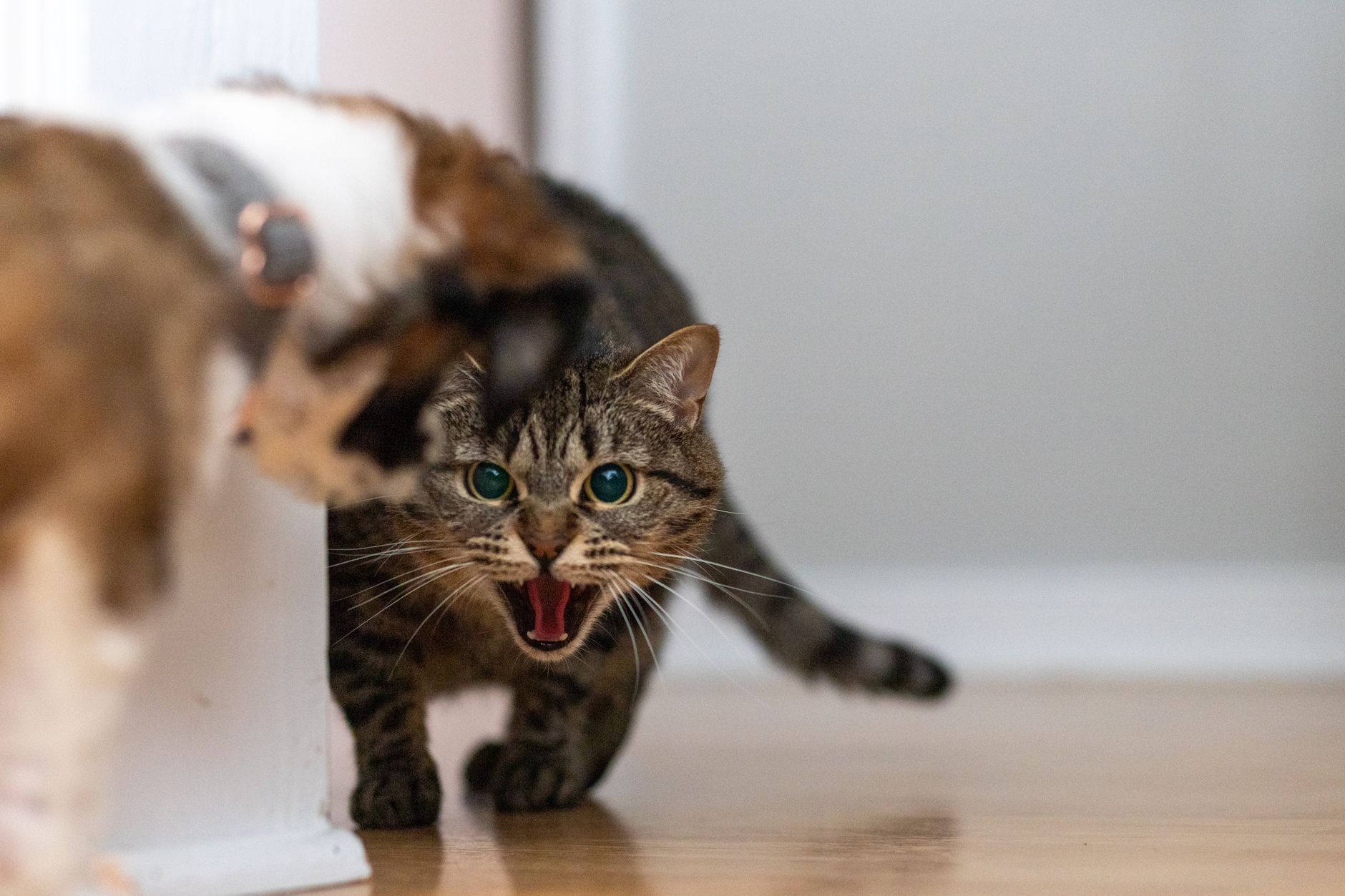
Can Unspayed Dogs Be Aggressive? Exploring the Link
Can unspayed dogs be aggressive? The answer is a nuanced yes, as hormonal fluctuations can certainly contribute to increased aggression in female dogs, particularly during heat cycles and false pregnancies. This article delves into the complex relationship between spaying, hormones, and dog behavior.

Understanding Hormonal Influences on Canine Behavior
Hormones play a significant role in shaping dog behavior, and this influence is particularly pronounced in unspayed females. The estrus cycle, commonly known as “heat,” triggers a cascade of hormonal changes that can affect a dog’s temperament and behavior. Understanding these changes is crucial to understanding potential aggression.
- Estrogen: Peaks during proestrus and estrus, potentially leading to increased restlessness, anxiety, and attention-seeking behavior. In some dogs, this anxiety can manifest as defensive aggression.
- Progesterone: Rises after ovulation, and during diestrus (the period after heat), may contribute to nesting behaviors and false pregnancies. False pregnancies can trigger protective aggression towards perceived threats to the “puppies.”
The Link Between Unspayed Females and Aggression

While hormones aren’t the sole determinant of aggression, they can significantly exacerbate pre-existing tendencies or create new ones. Maternal aggression, for instance, is a well-documented phenomenon in unspayed females, driven by the hormonal imperative to protect offspring (real or imagined).
- Territorial Aggression: An unspayed female may become more protective of her territory during heat, leading to increased aggression towards strangers or other animals.
- Resource Guarding: Similar to territorial aggression, an unspayed dog may become more possessive of food, toys, or even people, particularly when in heat or experiencing a false pregnancy.
- Fear Aggression: Hormonal imbalances can heighten anxiety and fear, potentially leading to defensive aggression as a coping mechanism.
Beyond Hormones: Environmental and Genetic Factors
It’s crucial to remember that aggression is a complex behavior with multiple contributing factors. While hormonal influences are significant, environmental factors, genetics, and training also play vital roles.
- Genetics: Some breeds are predisposed to certain types of aggression.
- Early Socialization: Lack of proper socialization during puppyhood can lead to fear and anxiety, increasing the likelihood of aggression.
- Training and Management: Consistent training and appropriate management techniques are essential for preventing and addressing aggressive behaviors.
- Medical Conditions: Underlying medical conditions, such as pain or thyroid issues, can contribute to aggression.
The Benefits of Spaying for Behavior Modification
Spaying (ovariohysterectomy) involves surgically removing the ovaries and uterus. This procedure eliminates the hormonal fluctuations associated with heat cycles and false pregnancies, potentially reducing hormone-related aggression.
- Reduced Hormonal Influence: Spaying eliminates the source of estrogen and progesterone, mitigating the hormonal triggers for aggression.
- Decreased Territoriality: By reducing hormonal drives, spaying can lessen territorial aggression.
- Prevention of False Pregnancies: Spaying eliminates the risk of false pregnancies and the associated maternal aggression.
- Health Benefits: Besides behavioral improvements, spaying offers significant health benefits, including reducing the risk of mammary tumors and uterine infections.
Spaying: Process and Considerations
The spaying procedure is generally safe but involves anesthesia and surgery. Consultation with a veterinarian is crucial to assess the dog’s overall health and suitability for the procedure.
- Pre-operative Assessment: A veterinarian will conduct a physical exam and may recommend blood tests to ensure the dog is healthy enough for surgery.
- Anesthesia: The dog will be placed under general anesthesia for the procedure.
- Surgery: The surgeon will make an incision in the abdomen to remove the ovaries and uterus.
- Post-operative Care: Pain medication and antibiotics are typically prescribed. Strict rest and monitoring of the incision site are essential for proper healing.
Common Misconceptions about Spaying and Aggression
There are some common misconceptions about spaying and its effect on aggression. It’s important to dispel these myths to make informed decisions.
- Spaying will automatically eliminate all aggression: Spaying reduces hormone-related aggression, but it doesn’t eliminate aggression caused by other factors.
- Spaying will change a dog’s personality: Spaying primarily affects hormone-driven behaviors and does not fundamentally alter a dog’s personality.
- Spaying is cruel: Spaying is a responsible and beneficial procedure that prevents unwanted pregnancies and offers numerous health advantages.

Frequently Asked Questions (FAQs)
Is it guaranteed that spaying will stop my dog’s aggression?
Spaying can significantly reduce or eliminate aggression related to hormonal fluctuations during heat cycles or false pregnancies. However, if the aggression stems from other causes like fear, lack of socialization, or genetic predisposition, spaying alone may not be enough, and additional training or behavior modification may be required.
Will spaying make my dog calmer and more docile?
Spaying can reduce behaviors driven by hormones, such as territoriality and nesting instincts, which may lead to a calmer demeanor. However, it’s important to remember that a dog’s personality is multifaceted, and spaying will not drastically alter their fundamental temperament.
When is the best age to spay my dog to prevent aggression?
Veterinarians generally recommend spaying before the first heat cycle, typically around six months of age. This timing can maximize the benefits of spaying in terms of both behavior and health. However, your veterinarian can advise on the most appropriate timing for your individual dog.
Can spaying make aggression worse in some dogs?
In rare cases, spaying might indirectly contribute to increased anxiety or fear in some dogs, potentially exacerbating fear-based aggression. This is uncommon and usually occurs in dogs with pre-existing anxiety issues. A thorough evaluation by a veterinarian or veterinary behaviorist is essential.
How long after spaying will I see a change in my dog’s behavior?
The time it takes to see a behavioral change after spaying can vary. It typically takes several weeks or even months for the hormones to completely clear the system and for the effects of spaying to become fully apparent. Patience and consistent training are key during this period.
Are there alternative treatments to spaying for aggression in dogs?
While spaying is often the most effective solution for hormone-related aggression, alternative treatments may include hormone therapy or behavior modification. However, these options are generally less effective and may have their own side effects. Consult with a veterinarian or veterinary behaviorist to explore all available options.
My dog is already spayed, but she is still aggressive. What should I do?
If your dog is already spayed but continues to exhibit aggressive behavior, it’s crucial to consult with a veterinary behaviorist or certified professional dog trainer. The aggression may be stemming from other factors, such as fear, pain, or learned behavior, requiring a different approach to address.
Does breed play a role in whether an unspayed dog will be aggressive?
Yes, breed predispositions can influence the likelihood of aggression in unspayed dogs. Some breeds are naturally more territorial or protective, which can be exacerbated by hormonal fluctuations. Understanding your dog’s breed characteristics is essential for managing their behavior.
Are there any risks associated with spaying an aggressive dog?
Spaying an aggressive dog carries the same general risks as spaying any dog, including anesthesia risks and post-operative complications. However, it’s crucial to ensure the safety of the veterinary staff during the procedure. The dog may need to be muzzled or sedated for handling.
Will spaying affect my dog’s energy levels?
Spaying may lead to a slight decrease in overall activity levels due to the elimination of hormone-driven behaviors. However, this change is usually subtle and does not significantly affect the dog’s overall energy levels or quality of life. Maintaining a healthy diet and exercise routine is important.
Can unspayed dogs be aggressive towards other dogs of the same sex?
Yes, unspayed females, especially during heat cycles, can exhibit increased aggression towards other female dogs due to territoriality and competition for resources. This behavior is driven by hormonal influences and the instinct to protect potential mates or offspring.
What role does training play in managing aggression in unspayed dogs?
Training is crucial for managing aggression in both spayed and unspayed dogs. Consistent training, positive reinforcement techniques, and early socialization can help prevent and address aggressive behaviors, regardless of hormonal status. A well-trained dog is generally more manageable and less likely to exhibit aggression.