

Can Pedialyte Help Treat Parvo in Dogs?
Can Pedialyte help with parvo? While Pedialyte can help manage dehydration in dogs suffering from parvovirus, it’s not a treatment for the disease itself. It’s best used under veterinary guidance as a supportive therapy alongside more comprehensive medical interventions.

Understanding Canine Parvovirus
Canine parvovirus, often simply called “parvo,” is a highly contagious and potentially deadly viral disease affecting dogs, especially puppies. It attacks the gastrointestinal system, causing severe vomiting, diarrhea, and dehydration. The virus also suppresses the immune system, making infected dogs vulnerable to secondary infections. Prompt veterinary care is critical for survival.
The Role of Hydration in Parvo Treatment

One of the most significant dangers of parvo is severe dehydration caused by persistent vomiting and diarrhea. Dehydration can lead to electrolyte imbalances and organ damage. Maintaining adequate hydration is essential to support the body’s ability to fight the virus and recover.
How Pedialyte Can Help
Pedialyte is an oral electrolyte solution designed to prevent or treat dehydration. It contains water, electrolytes (such as sodium, potassium, and chloride), and a small amount of sugar. These components can help:
- Replace lost fluids: Pedialyte helps replenish the fluids lost through vomiting and diarrhea.
- Restore electrolyte balance: Vomiting and diarrhea deplete essential electrolytes, which are crucial for proper nerve and muscle function. Pedialyte helps restore these levels.
- Provide a small amount of energy: The sugar in Pedialyte offers a small amount of energy, which can be beneficial for a dog that is not eating.
Important Considerations When Using Pedialyte
While Pedialyte can be helpful, it’s not a substitute for veterinary care. Here are some crucial points to consider:
- Veterinary supervision is essential: Always consult with a veterinarian before giving Pedialyte to a dog with parvo. They can assess the dog’s condition, determine the appropriate dosage, and advise on the best course of treatment.
- Dosage matters: The correct dosage of Pedialyte depends on the dog’s size, age, and the severity of dehydration. Overhydration can also be dangerous, so it is critical to follow veterinary advice. A general guideline is 1-2 ml per pound of body weight, given every 1-2 hours, but again, verify this with your vet.
- Administration: Offer Pedialyte in small amounts frequently. You can use a syringe or dropper to administer it directly into the dog’s mouth. Avoid forcing it, as this can cause aspiration (fluid entering the lungs).
- Monitor for improvement: Closely observe the dog’s condition after administering Pedialyte. If vomiting or diarrhea worsens, discontinue use and contact your veterinarian immediately.
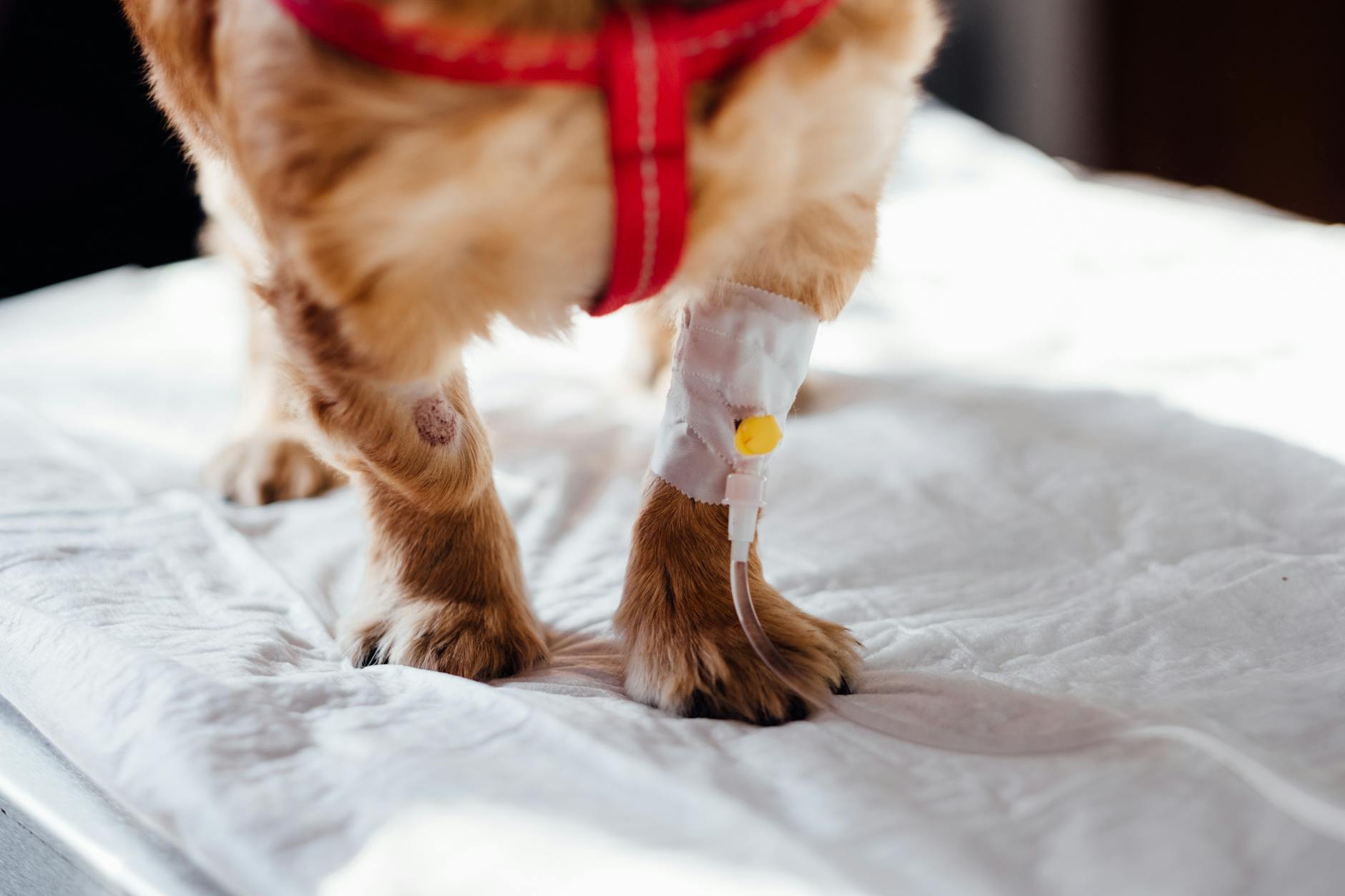
- Severe cases require IV fluids: Severely dehydrated dogs often require intravenous (IV) fluids, which are more effective at quickly restoring hydration and electrolyte balance than oral solutions like Pedialyte.
What Pedialyte Cannot Do
It is essential to understand the limitations of Pedialyte. Can Pedialyte help with parvo cure it? Absolutely not. It does not:
- Kill the parvovirus: Pedialyte only addresses the symptoms of dehydration and electrolyte imbalance. It has no antiviral properties and does not eliminate the parvovirus from the dog’s system.
- Replace veterinary treatment: Parvo requires a comprehensive treatment plan, which may include IV fluids, antibiotics to prevent secondary infections, anti-nausea medication, and nutritional support.
- Boost the immune system: Parvo suppresses the immune system. Pedialyte does not have any immune-boosting effects.
Comparison: Pedialyte vs. Veterinary Treatment
| Feature | Pedialyte (Supportive Care) | Veterinary Treatment (Essential Care) |
|---|---|---|
| Hydration | Oral rehydration | IV fluids, electrolyte balance correction |
| Electrolyte Balance | Replenishes some electrolytes | Precise electrolyte monitoring & correction |
| Antiviral Action | None | None (treatment focuses on supportive care) |
| Immune Support | None | Supportive care to prevent secondary infections |
| Professional Monitoring | None | Continuous monitoring of vital signs |
Potential Risks of Incorrect Pedialyte Use
While generally safe when used correctly, improper use of Pedialyte can pose risks:
- Overhydration: Giving too much Pedialyte can lead to overhydration, causing electrolyte imbalances and potentially life-threatening complications.
- Aspiration: Forcing a dog to drink can lead to aspiration, especially in weak or vomiting dogs.
- Delaying veterinary care: Relying solely on Pedialyte instead of seeking professional veterinary treatment can delay crucial interventions and worsen the dog’s condition.
Frequently Asked Questions (FAQs)
Can Pedialyte help with parvo prevent dehydration completely?
While Pedialyte can help manage dehydration, it’s often insufficient to prevent it entirely, especially in severe cases of parvo. Vomiting and diarrhea can lead to rapid fluid loss, and IV fluids administered by a veterinarian are typically necessary to maintain adequate hydration.
How often should I give my dog Pedialyte if they have parvo?
The frequency of Pedialyte administration depends on the dog’s size, condition, and veterinary recommendations. A general guideline is every 1-2 hours, giving small amounts. Always consult your veterinarian for personalized advice.
Can I use sports drinks like Gatorade instead of Pedialyte?
While sports drinks contain electrolytes, they often have high sugar content, which can potentially worsen diarrhea in dogs with parvo. Pedialyte is specifically formulated for rehydration and electrolyte balance and is generally a better option. However, always consult your veterinarian first.
What are the signs that my dog needs more than just Pedialyte for parvo?
Signs that your dog needs more than just Pedialyte include severe vomiting, bloody diarrhea, extreme lethargy, refusal to drink, pale gums, and difficulty breathing. These indicate severe dehydration and complications that require immediate veterinary attention.
Is it safe to mix Pedialyte with my dog’s food?
If your dog is willing to eat, mixing a small amount of Pedialyte with their food may be acceptable, but only if recommended by your veterinarian. In many cases, dogs with parvo are not able to keep food down and are best served with small amounts of Pedialyte alone to minimize stomach upset.
Can Can Pedialyte help with parvo puppies specifically?
Yes, Pedialyte can help with parvo in puppies, but extreme caution is needed. Puppies are especially vulnerable to dehydration and electrolyte imbalances. The dosage must be carefully calculated based on their weight, and veterinary supervision is essential.
What should I do if my dog refuses to drink Pedialyte?
If your dog refuses to drink Pedialyte, try offering it in small amounts using a syringe or dropper. If they continue to refuse, contact your veterinarian immediately. They may need IV fluids to rehydrate your dog.
Are there different flavors of Pedialyte, and which is best for dogs?
Pedialyte comes in various flavors. For dogs, the unflavored or bland flavors are generally preferred to avoid potential stomach upset from artificial flavors or dyes. Always prioritize a veterinarian’s guidance on what is best for your dog.
How long does it take for Pedialyte to start working in a dog with parvo?
The effects of Pedialyte can vary depending on the severity of dehydration. You may see some improvement in hydration within a few hours. However, it’s not a quick fix and needs to be administered consistently alongside veterinary care for significant improvement.
What are the potential side effects of giving Pedialyte to my dog?
The most common side effect is vomiting or diarrhea, especially if given too quickly or in large quantities. In rare cases, overhydration can occur. Contact your veterinarian if you notice any adverse reactions.
Can I give my dog Pedialyte preventively if they are exposed to parvo but not yet showing symptoms?
Giving Pedialyte preventatively without veterinary assessment is generally not recommended. It is best to closely monitor the dog for symptoms and seek veterinary care immediately if any signs of parvo develop. Focus should be on immediate veterinary treatment as soon as possible for dogs with parvo exposure.
How can I prevent my dog from getting parvo in the first place?
The best way to prevent parvo is through vaccination. Ensure your dog receives all recommended vaccinations and booster shots. Also, practice good hygiene, especially when around other dogs, and avoid exposing unvaccinated puppies to potentially contaminated environments.