

Can Koi Eat Dried Shrimp? A Deep Dive into Nutritional Benefits and Risks
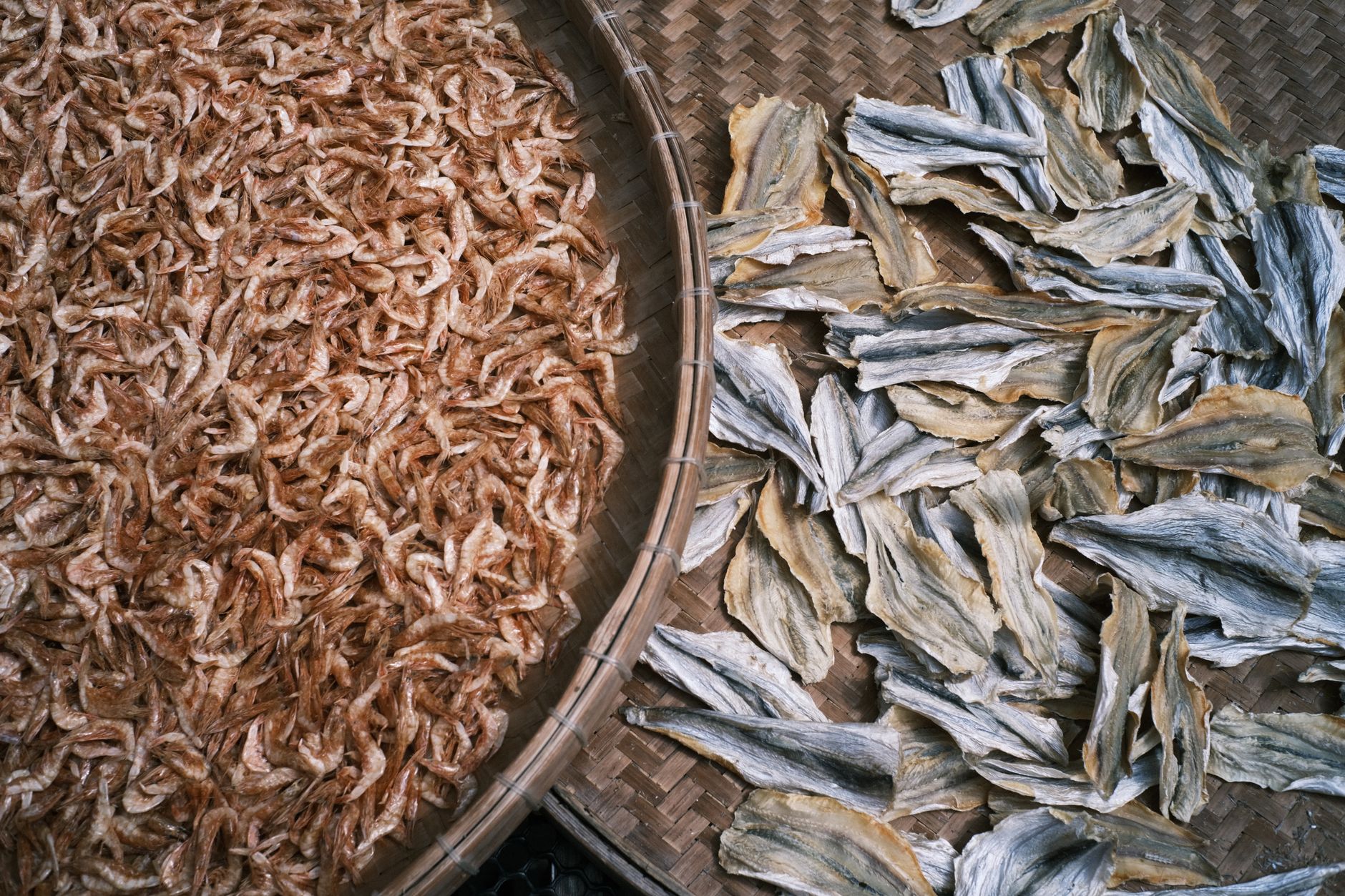
Yes, koi can eat dried shrimp, and it can be a beneficial treat when given in moderation. Dried shrimp provides a valuable source of protein and essential nutrients, but overfeeding can lead to health problems.
Introduction: The Allure of Dried Shrimp for Koi
Koi, with their vibrant colors and graceful movements, are captivating additions to any pond. As dedicated koi keepers, we constantly seek ways to enhance their well-being and vibrancy. One common question that arises is: Can koi eat dried shrimp? While commercially prepared koi food should form the foundation of their diet, supplemental treats like dried shrimp can offer valuable nutritional boosts and add variety to their meals.
Nutritional Benefits of Dried Shrimp for Koi
Dried shrimp offers several nutritional advantages for koi:
- High Protein Content: Protein is crucial for koi growth, muscle development, and overall health. Dried shrimp is a significant source of protein.
- Natural Color Enhancers: Dried shrimp contains carotenoids, pigments that enhance the vibrant colors of koi. These compounds help bring out the reds, oranges, and yellows in their scales.
- Essential Fatty Acids: Omega-3 and Omega-6 fatty acids are vital for koi health, supporting immune function and promoting a healthy skin and scale structure. Dried shrimp provides these essential fats.
- Calcium and Minerals: Dried shrimp provides calcium and other essential minerals vital for bone and scale development.
Potential Risks of Feeding Dried Shrimp to Koi
While dried shrimp offers benefits, it’s crucial to be aware of the potential risks:
- Overfeeding: Overfeeding dried shrimp can lead to obesity and digestive problems in koi. It should only be offered as a treat, not as a staple food.
- Poor Quality Shrimp: Low-quality dried shrimp may contain contaminants or be improperly processed, posing a health risk to your koi. Always source your shrimp from a reputable supplier.
- Impaction: While less common, consuming large quantities of dried shrimp too quickly can cause impaction, especially in smaller koi.
- Water Quality Issues: Uneaten dried shrimp will decompose, negatively impacting water quality. Be sure to remove any uneaten shrimp promptly.
How to Safely Feed Dried Shrimp to Koi
Follow these guidelines to safely incorporate dried shrimp into your koi’s diet:
- Moderation is Key: Offer dried shrimp as a treat only a few times a week. It shouldn’t exceed 10-15% of their total food intake.
- Choose High-Quality Shrimp: Select dried shrimp that is specifically sold for aquarium or pond fish consumption. Ensure it’s free from additives, preservatives, and excessive salt.
- Soak Before Feeding: Soaking dried shrimp in water for a few minutes before feeding can help soften it and make it easier for koi to digest.
- Observe Your Koi: Monitor your koi’s behavior after feeding. If you notice any signs of bloating, lethargy, or other unusual behavior, reduce the amount of dried shrimp you offer.
- Remove Uneaten Shrimp: Promptly remove any uneaten dried shrimp from the pond to prevent water quality degradation.
Comparison of Dried Shrimp vs. Koi Pellets
While dried shrimp can be a helpful supplement, commercially prepared koi pellets are carefully formulated to provide a complete and balanced diet.
| Feature | Dried Shrimp | Koi Pellets |
|---|---|---|
| Nutrient Balance | Primarily protein and color enhancers | Complete and balanced nutrition |
| Cost | Can be relatively expensive | More economical for staple feeding |
| Convenience | Requires soaking, potential mess | Easy to store and dispense |
| Water Quality Impact | Higher potential for water fouling | Lower potential for water fouling |
| Long-Term Health | Good as a treat; unhealthy as primary food | Ideal as primary food |
Common Mistakes to Avoid
- Using shrimp intended for human consumption: These often contain additives that are harmful to koi.
- Overfeeding during colder months: Koi’s metabolism slows down in colder temperatures, so reduce the amount of dried shrimp you offer.
- Ignoring water quality: Keep a close eye on water parameters, especially ammonia and nitrite levels, when feeding treats.
FAQs: Your Dried Shrimp for Koi Questions Answered
Is it okay to feed my baby koi dried shrimp?
It’s generally best to avoid feeding dried shrimp to very young koi. Their digestive systems are still developing, and the high protein content of dried shrimp can be difficult for them to process. Focus on high-quality, small-sized koi pellets designed for fry.

How often can I feed my koi dried shrimp?
As a general rule, dried shrimp should be offered no more than 2-3 times per week. Remember, it’s a treat, not a meal replacement.
What are the signs of overfeeding dried shrimp to koi?
Signs of overfeeding include bloating, lethargy, reduced appetite for their regular food, and cloudy water due to increased waste production.
Can dried shrimp enhance the color of my koi?
Yes, the carotenoids in dried shrimp can enhance the red, orange, and yellow colors in your koi’s scales.
Are there any types of dried shrimp that are better than others for koi?
Choose freeze-dried or sun-dried shrimp specifically marketed for aquarium or pond fish. These are typically free from harmful additives.
How should I store dried shrimp to maintain its quality?
Store dried shrimp in an airtight container in a cool, dry place to prevent spoilage and maintain its nutritional value.
Can I feed my koi other types of dried seafood, like krill or daphnia?
Yes, krill and daphnia are also excellent treats for koi and offer similar nutritional benefits as dried shrimp.
Will dried shrimp affect the pH of my pond water?
Excessive amounts of uneaten dried shrimp can contribute to an increase in ammonia and nitrite levels, which can indirectly affect the pH of your pond water. Regular water testing and maintenance are crucial.
Is it necessary to soak dried shrimp before feeding it to koi?
While not always necessary, soaking dried shrimp can help soften it, making it easier for koi to digest and reducing the risk of impaction, especially for smaller koi.
Can I feed my koi dried shrimp in the winter?
Koi’s metabolism slows down significantly in the winter. Reduce or eliminate the feeding of dried shrimp during colder months. Focus on easily digestible koi pellets designed for cold-water feeding.
What should I do if my koi refuses to eat dried shrimp?
If your koi refuses dried shrimp, it could indicate that they are already satisfied with their regular diet or that they are feeling unwell. Do not force them to eat it.
How much dried shrimp should I feed my koi at a time?
Offer only a small amount that your koi can consume within a few minutes. A good starting point is a pinch for a small pond with a few fish and increase accordingly. Remove any uneaten shrimp promptly.