
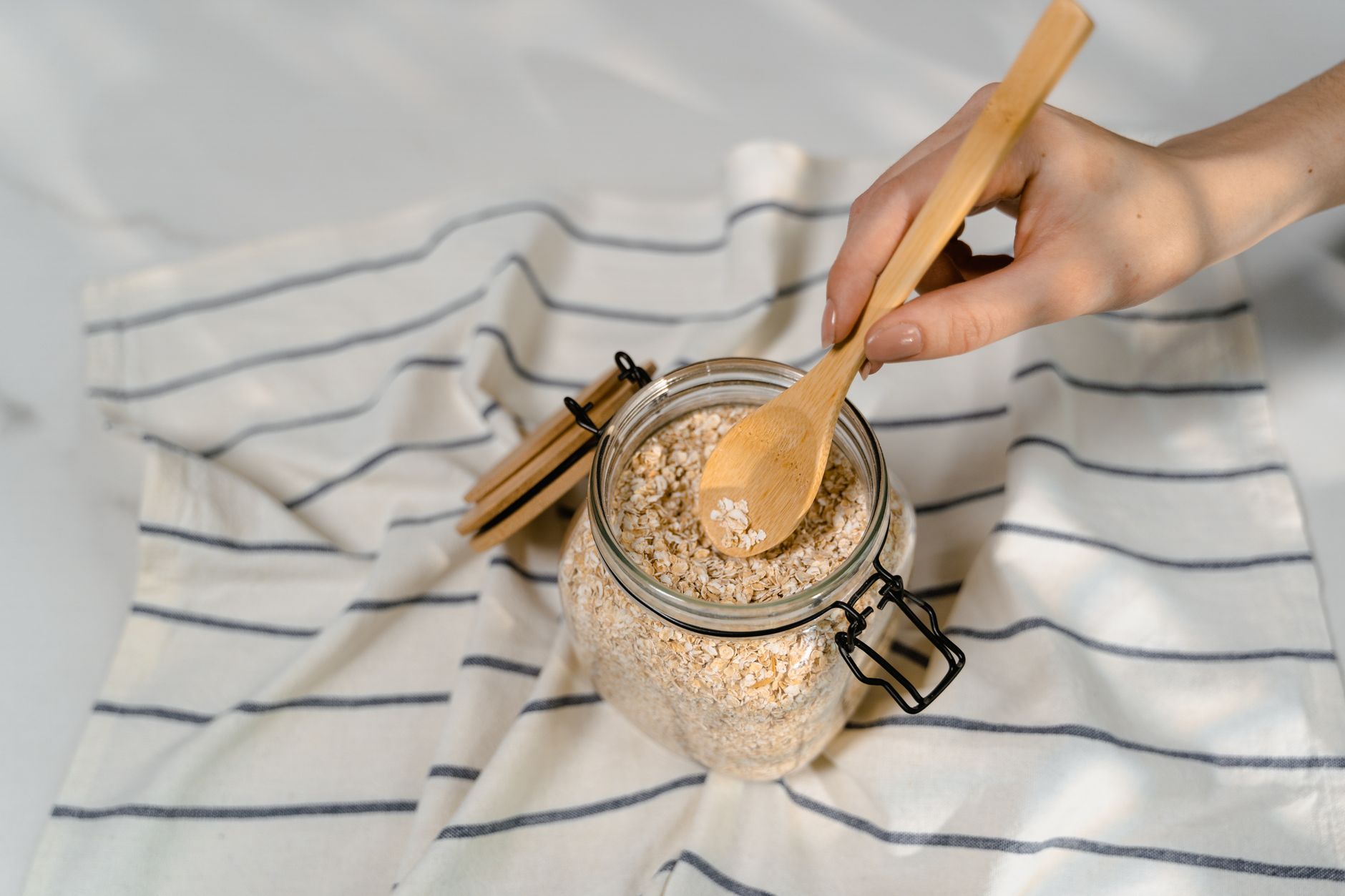
Can I Put Oats in My Bird Feeder?: A Bird Feeding Guide
Yes, you can put oats in your bird feeder, but they aren’t necessarily the best option. While some birds will eat them, oats are not a particularly nutritious or attractive food source compared to other seeds and grains commonly offered.
Understanding Oats and Their Nutritional Value for Birds
When attracting birds to your backyard, offering a balanced diet is key. While oats can be included as part of the offering, understanding their nutritional profile and appeal to different bird species is crucial for success.
Oats are a whole grain rich in fiber, carbohydrates, and some vitamins and minerals. However, they are relatively low in fats and proteins, which are essential nutrients for birds, especially during migration, breeding season, and the cold winter months. The energy birds obtain from oats might not be sufficient for their needs during these demanding times.
Consider the type of oats as well.
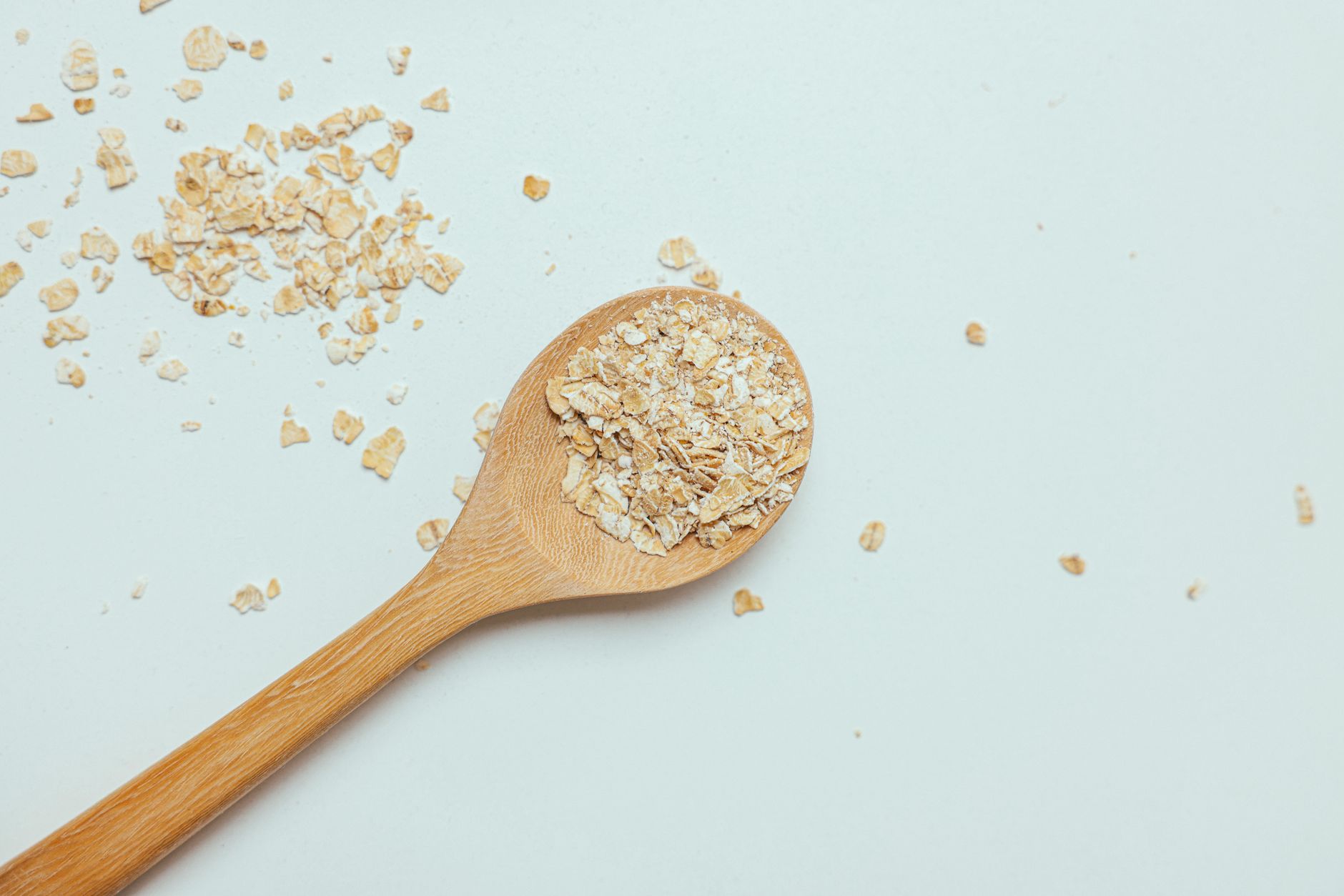
- Rolled Oats: These are processed and flattened, making them easier for birds to eat.
- Steel-Cut Oats: These are coarsely chopped and take longer to cook, potentially making them less appealing to birds.
- Instant Oats: These are pre-cooked and often contain added sugar and other ingredients that are not healthy for birds. Avoid these.
Therefore, if you decide to offer oats, rolled oats are the best choice in moderation and should never be the sole offering in your bird feeder.
Which Birds Might Eat Oats?

Not all birds are keen on oats. The following are some species that might occasionally eat them:
- Pigeons and Doves: Ground feeders that consume a wide range of grains.
- Sparrows: Some sparrow species may sample oats, especially when mixed with other seeds.
- Jays: Opportunistic eaters that might try oats if other preferred food sources are scarce.
- Ducks and Geese: These waterfowl often forage for grains, including oats, on the ground.
Generally, birds with broader diets are more likely to consume oats. However, they will likely prioritize other food sources if available.
How to Offer Oats in Your Bird Feeder
If you still want to offer oats, here’s how to do it properly:
- Mix with other seeds: Combine oats with more nutritious seeds like sunflower seeds, millet, and Nyjer seeds. A ratio of 1 part oats to 3 parts other seeds is a good starting point.
- Offer in a platform or ground feeder: These feeders are easily accessible to ground-feeding birds that are more likely to eat oats.
- Keep it dry: Wet oats can become moldy and spoil quickly, posing a health risk to birds. Make sure the feeder has adequate drainage.
- Offer in small quantities: Avoid filling the feeder solely with oats, as this can deter birds from seeking out more nutritious food sources.
- Clean regularly: Remove any uneaten or spoiled oats to prevent the spread of disease.
Better Alternatives to Oats for Bird Feeders
Instead of relying on oats, consider these more appealing and nutritious options for your bird feeder:
- Sunflower Seeds: A favorite among many bird species, providing essential fats and calories.
- Nyjer Seeds: Attracts finches and other small birds.
- Millet: A good source of carbohydrates and a popular choice for ground-feeding birds.
- Peanuts: High in protein and fats, providing birds with a significant energy boost.
- Suet: A high-fat energy source, especially beneficial during the winter months.
- Mealworms: A protein-rich treat that attracts insect-eating birds like bluebirds and robins.
Common Mistakes to Avoid When Feeding Birds
- Offering only one type of seed: Provide a variety of seeds and grains to attract a wider range of birds.
- Using moldy or spoiled seeds: This can make birds sick. Regularly check and clean your feeders.
- Overfilling feeders: This can lead to seed waste and attract unwanted pests.
- Not cleaning feeders regularly: This can spread disease among birds.
- Using sweetened or flavored seeds: These are not healthy for birds.
- Neglecting water sources: Birds need access to fresh water for drinking and bathing, especially during hot weather.
By avoiding these mistakes and offering a balanced and nutritious diet, you can create a welcoming environment for birds in your backyard.
Frequently Asked Questions (FAQs)
Why are oats not considered the best food for birds?
While oats provide some nutrients, they are relatively low in protein and fats compared to other seed options. Birds require a balanced diet with adequate amounts of these nutrients, especially during energetically demanding periods like migration and breeding.
Can I mix oats with other birdseed?
Yes, you can mix oats with other birdseed, but the oats should not be the primary component. Adding a small amount of oats to a mix of sunflower seeds, millet, and Nyjer seeds can provide some variety without compromising the overall nutritional value.
Are all types of oats safe for birds?
No, not all types of oats are safe for birds. Rolled oats are the best choice, while steel-cut oats might be too difficult for some birds to eat. Avoid instant oats, as they often contain added sugar and other ingredients that are not healthy for birds.
Will putting out oats attract unwanted pests?
Oats can attract unwanted pests, such as rodents and insects, if they are not stored or offered properly. Store oats in a sealed container and clean up any spilled seeds around the feeder to minimize the risk of attracting pests.
How often should I clean my bird feeder if I offer oats?
If you offer oats in your bird feeder, it is especially important to clean it regularly, ideally once or twice a week. Wet oats can become moldy quickly, which can make birds sick.
Can I offer oats to baby birds?
No, you should never offer oats to baby birds directly. Baby birds require a specialized diet that is high in protein and easy to digest. The best approach is to allow the parent birds to feed their young the appropriate food.
Do birds eat oats more in the winter?
Birds might eat oats more readily in the winter if other food sources are scarce. However, oats are still not the ideal winter food due to their lower fat content. Offering high-fat foods like suet and sunflower seeds is more beneficial during the cold winter months.
Can I use oatmeal in my bird feeder?
Technically, oatmeal is just cooked oats. However, it’s generally not recommended to put cooked oatmeal in a bird feeder. It can spoil quickly and become a breeding ground for bacteria. It’s best to stick to dry, uncooked rolled oats.
Are wild oats safe for birds?
Yes, wild oats are generally safe for birds to consume. They are a natural food source for some bird species. However, you should still ensure they are clean and free from pesticides or other contaminants before offering them to birds.
What is the best way to store oats for birds?
To store oats for birds, use an airtight container to prevent moisture and pests from getting in. Keep the container in a cool, dry place to prevent the oats from spoiling.
Can I grow oats to feed the birds?
Yes, you can grow oats to feed the birds. Allowing the oats to mature and produce seeds will provide a natural food source for birds in your backyard.
What are the signs that the oats in my feeder have gone bad?
Signs that the oats in your feeder have gone bad include: mold growth, a sour or musty smell, and clumping. If you notice any of these signs, remove the oats immediately and clean the feeder thoroughly.