
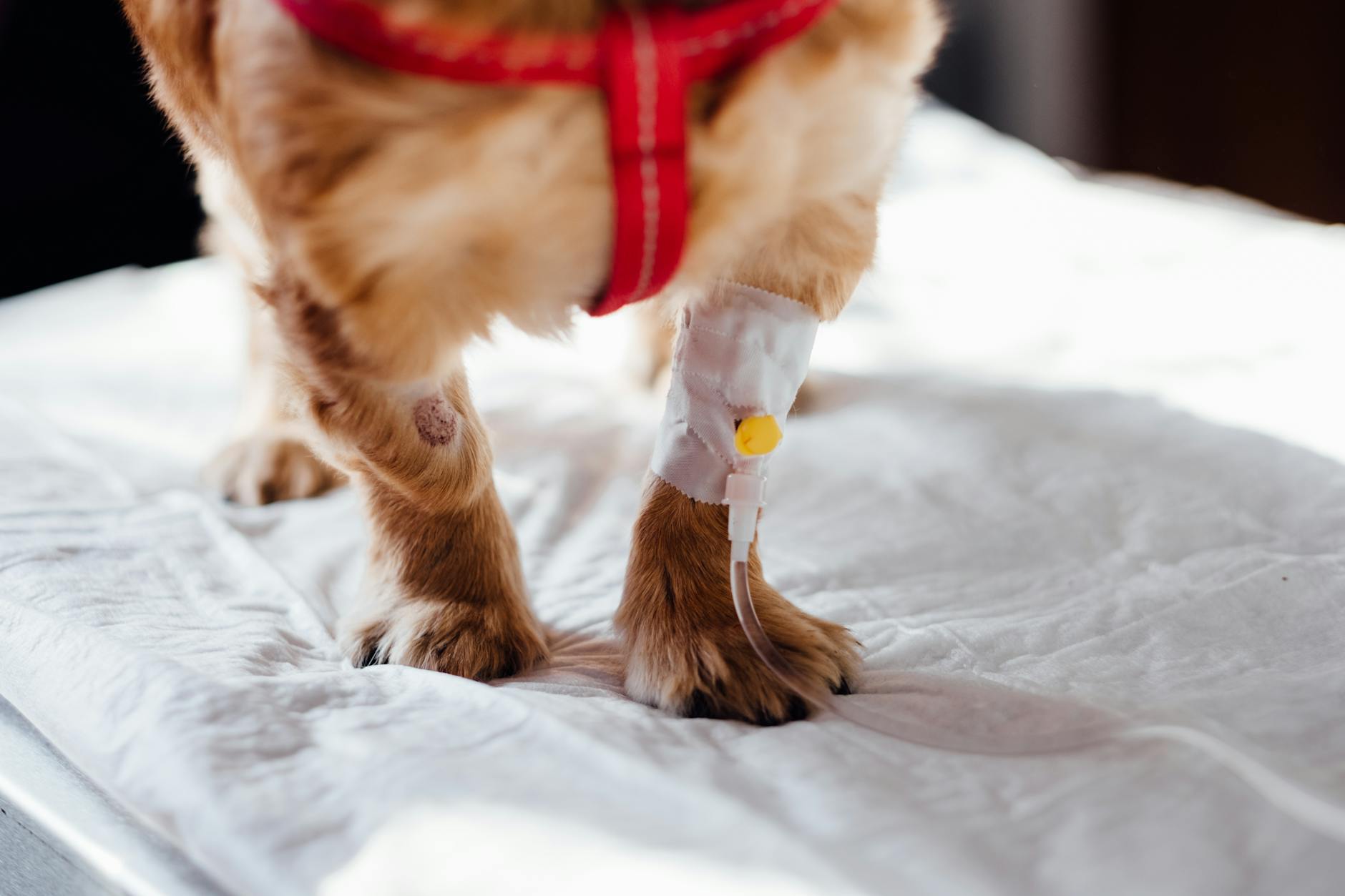
Can I Give My Dog Benadryl for Limping? Unveiling the Truth
While Benadryl can help with some allergy-related swelling that might contribute to limping, it’s generally not recommended as a primary treatment for limping in dogs and is unlikely to address the underlying cause. Consulting a veterinarian is always the best first step.

Understanding Limping in Dogs
Limping in dogs is a common sign of pain or discomfort in one or more of their limbs. It can range from a subtle change in gait to a complete inability to bear weight on a leg. Identifying the cause of the limp is crucial for proper treatment.
Common Causes of Limping

Many factors can cause a dog to limp. These can include:
- Injuries: Sprains, strains, fractures, dislocations, and torn ligaments are all common causes.
- Arthritis: Degenerative joint disease can cause chronic pain and stiffness, leading to limping.
- Infections: Bone infections (osteomyelitis) can cause severe limping.
- Foreign Objects: A thorn, splinter, or other foreign object lodged in the paw can cause immediate limping.
- Nerve Damage: Damage to nerves in the leg can affect mobility and cause limping.
- Tumors: Bone or soft tissue tumors can cause pain and lameness.
- Panosteitis: This condition, often called “growing pains,” affects the long bones of young, large-breed dogs.
Why Benadryl Might Seem Like a Solution (But Isn’t)
Benadryl (diphenhydramine) is an antihistamine commonly used to treat allergic reactions in dogs. It works by blocking histamine, a chemical released by the body during an allergic response. While Benadryl can reduce swelling and itching associated with allergies, its effectiveness for treating limping is extremely limited.
In some very rare cases, an allergic reaction might cause swelling that contributes to limping. For example, a bee sting on the paw could cause localized swelling. In such cases, Benadryl might provide some temporary relief by reducing the swelling. However, this is not the primary issue that needs addressing.
Dangers of Self-Treating Limping
Trying to treat your dog’s limping with Benadryl without consulting a veterinarian can be dangerous for several reasons:
- Masking the Underlying Problem: Benadryl may temporarily relieve some symptoms, but it won’t address the root cause of the limping. This can delay proper diagnosis and treatment, potentially leading to worsening of the condition.
- Incorrect Dosage: Giving your dog too much Benadryl can cause side effects such as sedation, dry mouth, and urinary retention.
- Interactions with Other Medications: Benadryl can interact with other medications your dog may be taking.
- Delaying Necessary Treatment: Conditions like fractures or infections require prompt veterinary attention. Delaying treatment can lead to complications.
When to See a Veterinarian
It is essential to consult a veterinarian if your dog is limping. Seek immediate veterinary care if:
- The limping is sudden and severe.
- Your dog is unable to bear weight on the affected leg.
- There is obvious swelling, deformity, or open wounds.
- Your dog is showing signs of pain, such as whimpering, guarding the affected limb, or refusing to eat.
- The limping persists for more than 24 hours.
- Your dog has a history of previous injuries or health conditions.
Safe and Effective Treatments for Limping
The appropriate treatment for your dog’s limping will depend on the underlying cause. Common treatments include:
- Rest: Limiting activity and allowing the injured limb to rest is often the first step.
- Pain Medication: Veterinarians can prescribe safe and effective pain medications to manage pain and inflammation.
- Anti-inflammatory Drugs: Non-steroidal anti-inflammatory drugs (NSAIDs) can help reduce inflammation and pain.
- Physical Therapy: Physical therapy can help improve range of motion, strength, and flexibility.
- Surgery: In some cases, surgery may be necessary to repair fractures, torn ligaments, or other injuries.
Benadryl Dosage for Dogs (If Veterinarian Approved)
If your veterinarian specifically advises Benadryl for a confirmed allergic reaction contributing to limping (which is rare), here’s general guidance. Never administer any medication without consulting your vet first.
The typical dosage of Benadryl for dogs is 1 mg per pound of body weight, given two to three times daily. It’s crucial to use the correct formulation (diphenhydramine only, without decongestants or other added ingredients). Remember, even at the correct dosage, it’s unlikely to address the cause of the limping.
| Dog Weight (lbs) | Benadryl Dosage (mg) |
|---|---|
| 10 | 10 |
| 25 | 25 |
| 50 | 50 |
| 75 | 75 |
Alternative Therapies (With Veterinary Guidance)
Certain alternative therapies may provide additional support for managing pain and inflammation in dogs with limping. These should always be discussed with and approved by your veterinarian.
- Acupuncture: Can help stimulate the body’s natural healing processes.
- Chiropractic: May improve alignment and reduce musculoskeletal pain.
- Herbal Remedies: Certain herbs, such as turmeric and ginger, have anti-inflammatory properties.
Prevention is Key
While not all causes of limping are preventable, there are steps you can take to reduce the risk:
- Maintain a Healthy Weight: Overweight dogs are at higher risk of developing joint problems.
- Provide Regular Exercise: Regular, moderate exercise helps keep muscles and joints strong and healthy.
- Warm-Up Before Exercise: A brief warm-up can help prevent injuries.
- Avoid Overexertion: Gradually increase the intensity and duration of exercise to avoid overstressing joints.
- Provide a Safe Environment: Remove hazards that could cause your dog to trip or fall.
- Regular Veterinary Checkups: Regular checkups can help detect potential problems early.

Frequently Asked Questions (FAQs)
Can I give my dog Benadryl for limping related to arthritis?
No, Benadryl is not an effective treatment for arthritis-related limping. Arthritis is a chronic condition that requires long-term management with pain medication, anti-inflammatory drugs, and other therapies as prescribed by your veterinarian.
My dog seems to be limping after a bee sting. Will Benadryl help?
Benadryl may help reduce the swelling associated with a bee sting, which might indirectly alleviate some discomfort. However, it’s crucial to monitor your dog for other signs of an allergic reaction (difficulty breathing, facial swelling) and seek immediate veterinary care if necessary. Benadryl addresses the allergy, not the injury itself.
How long does it take for Benadryl to work in dogs?
Benadryl typically starts working within 30-60 minutes after administration. However, its effect on limping will be limited if the limping is not due to an allergic reaction with swelling.
What are the side effects of Benadryl in dogs?
Common side effects of Benadryl in dogs include sedation, dry mouth, and urinary retention. Less common side effects include increased heart rate and excitability. If you notice any concerning side effects, contact your veterinarian.
Can I give my dog Benadryl and pain medication at the same time?
It’s crucial to consult your veterinarian before giving your dog Benadryl and pain medication together. Benadryl can interact with certain pain medications, and your veterinarian can advise on the safest and most effective treatment plan.
What other over-the-counter medications can I give my dog for limping?
You should never give your dog any over-the-counter medications for limping without first consulting your veterinarian. Many human medications are toxic to dogs, and even those that are considered safe can be harmful if given at the wrong dosage or frequency.
Is there a specific type of Benadryl that is best for dogs?
Use plain Benadryl (diphenhydramine) without any added decongestants or other active ingredients. Always check the label carefully to ensure that the product contains only diphenhydramine.
How often can I give my dog Benadryl?
Benadryl is typically given two to three times daily, as directed by your veterinarian. Never exceed the recommended dosage.
My dog only limps occasionally. Do I still need to see a vet?
Yes, even if your dog only limps occasionally, it’s important to consult a veterinarian. Intermittent limping can be a sign of an underlying problem that needs to be addressed.
Can I give my dog Benadryl if he’s taking other medications?
It’s crucial to inform your veterinarian of all medications your dog is taking before administering Benadryl, as it can interact with certain drugs.
What should I do if my dog’s limping doesn’t improve after giving Benadryl (as directed by a vet)?
If your dog’s limping doesn’t improve after giving Benadryl (as directed by a vet for an allergy-related reason), it indicates that the limping is likely not due to an allergy. Contact your veterinarian for further evaluation and treatment.
If my dog is limping, is it better to give them Benadryl or take them to the vet?
It is always better to take your dog to the veterinarian for limping. Benadryl is unlikely to treat the underlying cause, and a vet can accurately diagnose the problem and recommend the best course of treatment. Can I give my dog Benadryl for limping? The answer is almost always no without a vet’s guidance.