
Can I Cuddle My Dog With Kennel Cough?: Understanding the Risks and Benefits
Can I cuddle my dog with kennel cough? The answer is nuanced: While comforting your sick dog is natural, it’s generally not recommended to cuddle closely when your dog has kennel cough due to its highly contagious nature to other dogs, and potentially, though rarely, to humans with compromised immune systems.

What is Kennel Cough?
Kennel cough, also known as canine infectious tracheobronchitis, is a highly contagious respiratory infection that affects dogs. It’s similar to a common cold in humans, causing inflammation of the trachea and bronchi. Many different viruses and bacteria can cause it, with Bordetella bronchiseptica being a common culprit.
How is Kennel Cough Spread?

Kennel cough spreads primarily through airborne droplets released when an infected dog coughs, sneezes, barks, or even breathes heavily. It can also spread through contaminated surfaces like:
- Shared water bowls
- Toys
- Bedding
- Even clothing
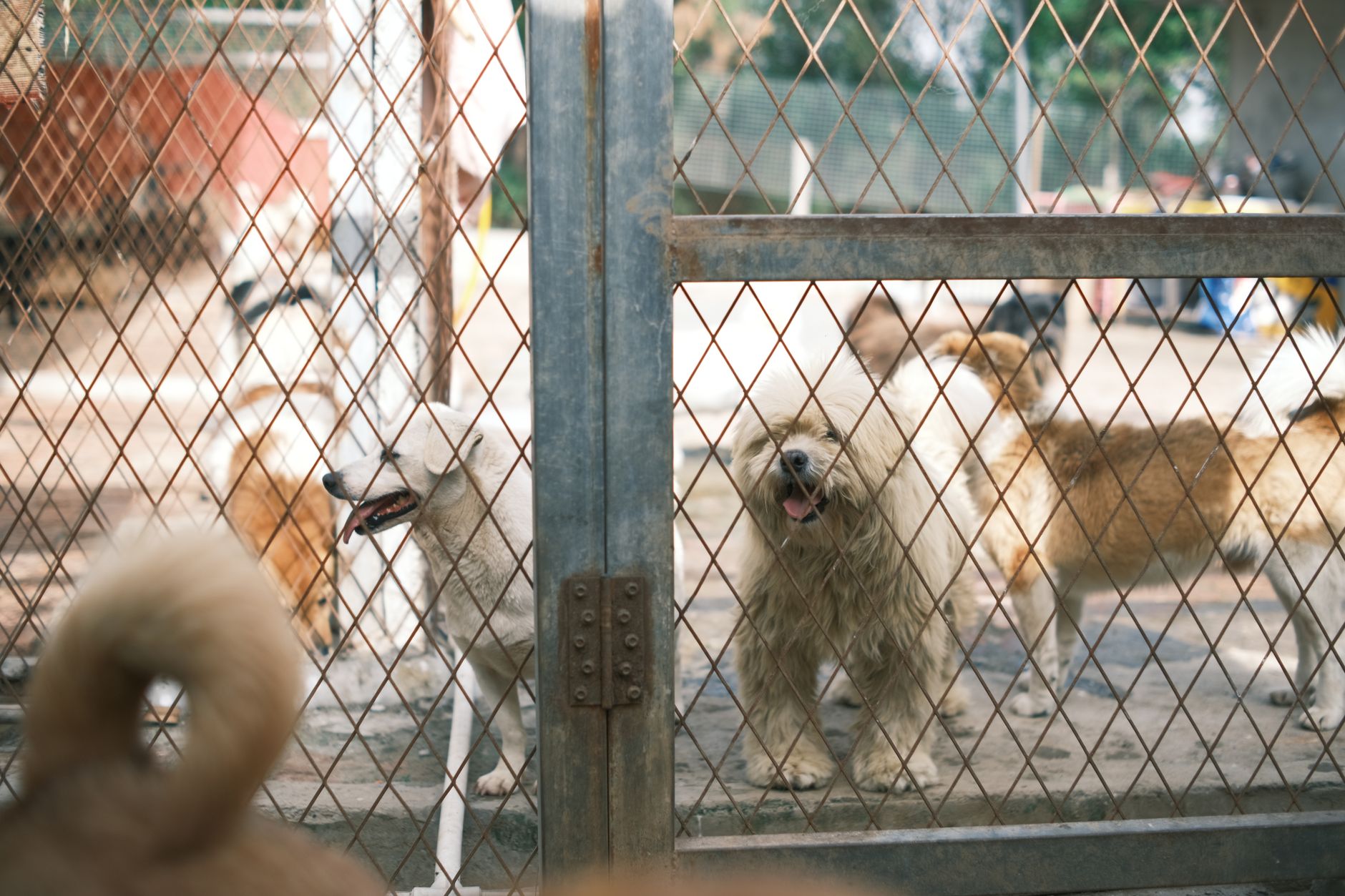
Dogs in close contact with other dogs, such as in kennels, dog parks, grooming salons, and daycare facilities, are at higher risk of contracting the infection.
Symptoms of Kennel Cough
The most characteristic symptom of kennel cough is a persistent, dry, hacking cough, often described as a “goose honk.” Other symptoms may include:
- Runny nose
- Sneezing
- Lethargy
- Loss of appetite
- Low-grade fever
Symptoms typically appear 2-14 days after exposure. In most cases, kennel cough is mild and self-limiting, resolving within a few weeks. However, in puppies, senior dogs, or dogs with weakened immune systems, it can lead to more serious complications such as pneumonia.
Risk to Other Dogs
The high contagiousness of kennel cough poses a significant risk to other dogs. Infected dogs can spread the disease even before symptoms appear and for several weeks after recovering. Keeping an infected dog isolated from other canines is crucial to prevent outbreaks. Consider the following scenarios:
| Scenario | Risk Level | Precautions |
|---|---|---|
| Multi-dog Household | High | Strict isolation of the infected dog, thorough disinfection, separate food/water bowls |
| Dog Park Visit | High | Avoid dog parks during and for several weeks after your dog’s recovery |
| Boarding Kennel | High | Inform the kennel immediately, follow their isolation protocols |
Risk to Humans
While kennel cough is primarily a canine disease, Bordetella bronchiseptica can, in rare cases, infect humans, especially those with weakened immune systems, such as:
- Individuals with HIV/AIDS
- Organ transplant recipients
- People undergoing chemotherapy
- Elderly individuals
- Young children
Symptoms in humans are similar to those of kennel cough in dogs, including a cough, sore throat, and runny nose. However, the risk is low, and most healthy adults will not be affected. Still, practicing good hygiene is essential.
Managing Kennel Cough and Alternatives to Cuddling
If your dog has kennel cough, it’s important to consult with your veterinarian for diagnosis and treatment. Treatment may involve antibiotics, cough suppressants, and rest.
Instead of cuddling directly, you can show affection to your dog in ways that minimize the risk of transmission:
- Verbal reassurance: Speak to your dog in a calm, soothing voice.
- Gentle petting: Pet your dog’s back or sides, avoiding close contact with their face.
- Comfortable bedding: Provide a cozy and comfortable bed for your dog to rest in.
- Supervised playtime: If your dog is feeling up to it, engage in short, supervised playtime sessions with toys that can be easily disinfected.
Hygiene Practices
Maintaining good hygiene is critical to prevent the spread of kennel cough, both to other dogs and to humans. Follow these guidelines:
- Wash your hands frequently: Use soap and water, especially after interacting with your dog.
- Disinfect surfaces: Clean and disinfect surfaces that your dog may have come into contact with, such as bedding, bowls, and toys.
- Avoid close contact: Limit close contact with your dog, especially face-to-face interactions.
When Cuddling is Safe(r)
If you absolutely must cuddle your dog, consider these precautions:
- Wear a mask: A surgical mask can help reduce the spread of respiratory droplets.
- Wash your hands immediately afterward: Wash thoroughly with soap and water.
- Avoid close contact with vulnerable individuals: If you have contact with people who are immunocompromised, postpone cuddling until your dog is no longer contagious.
Frequently Asked Questions About Kennel Cough and Cuddling
Can I cuddle my dog with kennel cough and risk getting sick?
The risk of humans contracting kennel cough from dogs is very low, especially for healthy adults. However, immunocompromised individuals should take extra precautions, as Bordetella bronchiseptica can, in rare cases, infect humans. It’s always best to err on the side of caution and practice good hygiene.
How long is kennel cough contagious?
Kennel cough is typically contagious for 2-14 days after symptoms appear, and in some cases, even longer. Your veterinarian can advise you on when your dog is no longer considered contagious based on their individual situation.
Should I isolate my dog with kennel cough from my other pets?
Yes, absolutely. Isolating your infected dog from other pets is crucial to prevent the spread of kennel cough. Keep them in a separate room, use separate food and water bowls, and avoid sharing toys or bedding.
What can I do to make my dog more comfortable during kennel cough?
Ensure your dog gets plenty of rest and hydration. Avoid strenuous activity and provide a comfortable, quiet environment. A humidifier can help soothe their irritated airways. Follow your veterinarian’s recommendations for medication and supportive care.
Is kennel cough vaccine effective?
The kennel cough vaccine can significantly reduce the risk and severity of kennel cough. While it doesn’t guarantee complete immunity, it can help protect your dog, especially if they are frequently exposed to other dogs. Discuss vaccination options with your veterinarian.
Can kennel cough go away on its own?
In many cases, kennel cough is mild and self-limiting, resolving on its own within a few weeks. However, in some cases, antibiotics or cough suppressants may be necessary to prevent secondary infections or alleviate symptoms. Always consult with your veterinarian for proper diagnosis and treatment.
What are the signs of severe kennel cough that warrant immediate vet attention?
Signs of severe kennel cough that require immediate veterinary attention include: difficulty breathing, lethargy, loss of appetite, high fever, and blue gums or tongue. These symptoms could indicate pneumonia or another serious complication.
Can my dog get kennel cough more than once?
Yes, dogs can get kennel cough more than once, as it can be caused by various viruses and bacteria. Even if your dog has been vaccinated or had kennel cough previously, they can still contract it again.
How can I disinfect my home to prevent the spread of kennel cough?
Clean and disinfect surfaces that your dog may have come into contact with using a diluted bleach solution (1 part bleach to 32 parts water) or other veterinary-approved disinfectant. Pay special attention to bedding, bowls, toys, and floors.
If my dog has kennel cough, can I take them for walks?
Avoid taking your dog for walks in public areas where they might come into contact with other dogs. This will help prevent the spread of the disease. If you must take them outside, keep them on a leash and away from other animals.
Is there a home remedy for kennel cough?
While some home remedies, such as honey or humidifiers, may provide temporary relief, they are not a substitute for veterinary care. It’s important to consult with your veterinarian for proper diagnosis and treatment.
What if I already cuddled my dog before realizing they had kennel cough?
Don’t panic. Wash your hands thoroughly with soap and water. Monitor yourself for any symptoms, especially if you are immunocompromised. Contact your doctor if you develop any respiratory symptoms. The risk is generally low, but it’s better to be cautious. If you cuddle my dog with kennel cough, remember diligent hand washing is key.