

Can I Befriend a Groundhog? The Truth Revealed
While the idea of befriending a groundhog might seem charming, it’s highly unlikely and not recommended. Groundhogs, also known as woodchucks, are wild animals with instincts and behaviors that make forming a genuine friendship with them challenging, if not impossible.
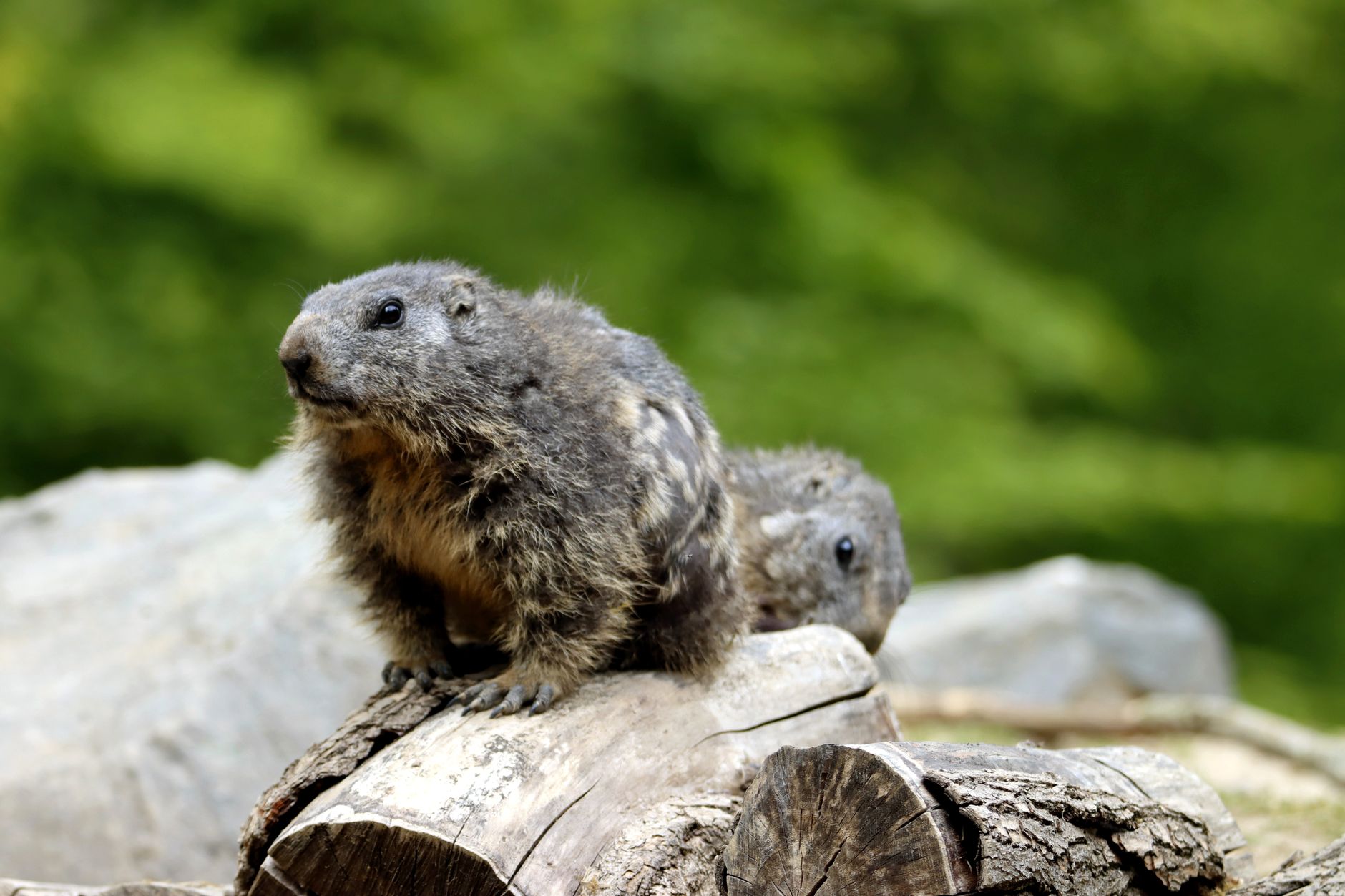
Understanding Groundhogs: More Than Just Whistle-Pigs
Groundhogs, scientifically known as Marmota monax, are fascinating creatures often seen as comical harbingers of spring. However, beneath their seemingly docile exterior lies a complex animal with specific needs and inherent wildness. To understand why befriending one is difficult, it’s crucial to appreciate their natural behaviors and ecological role. They are solitary animals, primarily interacting during mating season. Their survival depends on their ability to forage, dig burrows, and evade predators.
The Impossibility of “Friendship”: Different Worlds

The concept of “friendship,” as humans understand it, involves mutual trust, communication, and shared experiences. Groundhogs, while intelligent in their own way, do not possess the cognitive capacity for this type of reciprocal relationship. Any perceived “friendliness” from a groundhog is more likely a learned behavior associating humans with food or a diminished fear response, which can be dangerous for both the animal and the person.
The Dangers of Habituation and Feeding
Attempting to befriend a groundhog often involves providing food. While seemingly harmless, this habituation can have severe consequences:
- Loss of Natural Foraging Skills: Groundhogs become dependent on humans for food, neglecting their natural foraging instincts.
- Increased Risk of Disease: Close contact increases the risk of transmitting diseases, such as rabies, to both humans and the groundhog.
- Altered Behavior: Habituation can lead to bolder, more aggressive behavior as groundhogs lose their fear of humans.
- Dependency: They become overly reliant on humans.
Legal Considerations and Conservation
In many areas, it is illegal to feed or interfere with wildlife, including groundhogs. These laws are in place to protect both the animals and the public. Furthermore, intervening in a groundhog’s natural life can disrupt local ecosystems and negatively impact their populations. Groundhogs play a vital role in soil aeration and seed dispersal.
Alternatives to “Befriending”: Respectful Coexistence
Instead of trying to befriend a groundhog, focus on respectful coexistence:
- Observe from a Distance: Enjoy watching groundhogs in their natural habitat without interfering.
- Protect Your Property: If groundhogs are causing damage to your garden, use humane deterrents, such as fencing or noise-making devices.
- Educate Others: Share your knowledge about groundhogs and the importance of respecting wildlife.
Understanding Groundhog Behavior
Groundhogs are creatures of habit, and their behavior is largely driven by instinct. They spend a significant portion of their lives in their burrows, emerging primarily to forage for food. Mating season occurs in early spring, and after a gestation period of about 30 days, females give birth to a litter of 2-6 pups.
| Behavior | Description |
|---|---|
| Hibernation | A period of dormancy during the winter months to conserve energy. |
| Foraging | Searching for food, primarily grasses, clover, and other vegetation. |
| Burrowing | Digging and maintaining complex tunnel systems for shelter and nesting. |
| Alarm Calls | Whistling or chirping sounds used to warn other groundhogs of danger. |
| Sunning | Basking in the sun to regulate body temperature. |
Common Mistakes People Make
Many well-intentioned individuals unknowingly harm groundhogs through their actions:
- Direct Feeding: Providing food, even seemingly healthy options, disrupts their natural diet and can lead to dependence.
- Approaching Too Closely: Invading their space can cause stress and anxiety, potentially leading to defensive behavior.
- Relocating Groundhogs: Moving groundhogs to new locations is often ineffective and can disrupt local ecosystems.
- Treating Them as Pets: Assuming they can be domesticated or treated like domestic animals is dangerous and unethical.

Frequently Asked Questions About Groundhogs
Is it dangerous to get close to a groundhog?
Yes, it can be dangerous. Groundhogs are wild animals and can bite or scratch if they feel threatened. They can also carry diseases, such as rabies, which can be transmitted to humans. Avoid direct contact to minimize the risk of injury or disease transmission.
Can I train a groundhog?
No, it is not possible to train a groundhog in the same way you would train a dog or cat. Groundhogs are driven by instinct and are not receptive to human commands or training methods. Their wild nature makes training attempts futile and potentially harmful.
What do groundhogs eat, and should I feed them?
Groundhogs primarily eat grasses, clover, fruits, and vegetables. You should never feed a groundhog. Feeding them disrupts their natural foraging behaviors and can lead to dependence and health problems.
How long do groundhogs live?
In the wild, groundhogs typically live for 3-6 years. In captivity, they may live longer, but keeping a groundhog as a pet is not recommended or legal in many areas.
Are groundhogs aggressive?
Groundhogs are generally not aggressive unless they feel threatened or cornered. If approached too closely, they may bite or scratch in self-defense. Maintaining a safe distance is crucial for both your safety and the animal’s well-being.
Can groundhogs be good pets?
No, groundhogs do not make good pets. They have specific needs that are difficult to meet in a domestic setting, and they retain their wild instincts, making them unpredictable and potentially destructive. They are best left in their natural environment.
What should I do if I find an injured groundhog?
If you find an injured groundhog, contact your local animal control or wildlife rehabilitation center. They have the expertise and resources to provide appropriate care and treatment.
How can I keep groundhogs out of my garden without harming them?
Use humane deterrents, such as fencing, noise-making devices, or repellents. You can also try planting groundhog-resistant plants. Avoid using traps or poisons, as these can harm or kill the animals.
Are groundhogs protected by law?
In some areas, groundhogs are protected by law, and it may be illegal to trap, kill, or relocate them without a permit. Check your local regulations before taking any action.
What is the purpose of groundhog hibernation?
Hibernation allows groundhogs to survive the winter months when food is scarce. During hibernation, their body temperature drops significantly, and their heart rate and breathing slow down. This conserves energy and allows them to survive until spring.
How do groundhogs build their burrows?
Groundhogs use their strong claws and teeth to dig complex burrow systems that can include multiple entrances, chambers, and tunnels. These burrows provide shelter from predators and the elements. The complexity of their burrowing demonstrates their adaptability and intelligence.
Can I befriend a groundhog? – Summary Conclusion
Ultimately, while the idea of befriending a groundhog is appealing, it is not realistic or advisable. Instead, appreciate these fascinating creatures from a distance and support their conservation through responsible stewardship of the environment. You cannot form a genuine friendship with a groundhog; focus on respectful coexistence. Attempting to befriend a groundhog is more likely to harm it than anything else.