

Can Extinct Animals Be Brought Back? A Deep Dive into De-extinction
The possibility of reversing extinction has captured the public imagination, but the reality is complex: While certain de-extinction techniques show promise, bringing back extinct animals fully and ethically remains a monumental challenge, and the focus is on resurrecting specific species under very particular conditions rather than a widespread return to the past.
The Allure of De-Extinction: Why Bring Back Lost Species?
The concept of de-extinction, bringing extinct species back to life, has evolved from science fiction to a topic of serious scientific consideration. Several compelling reasons drive this interest:
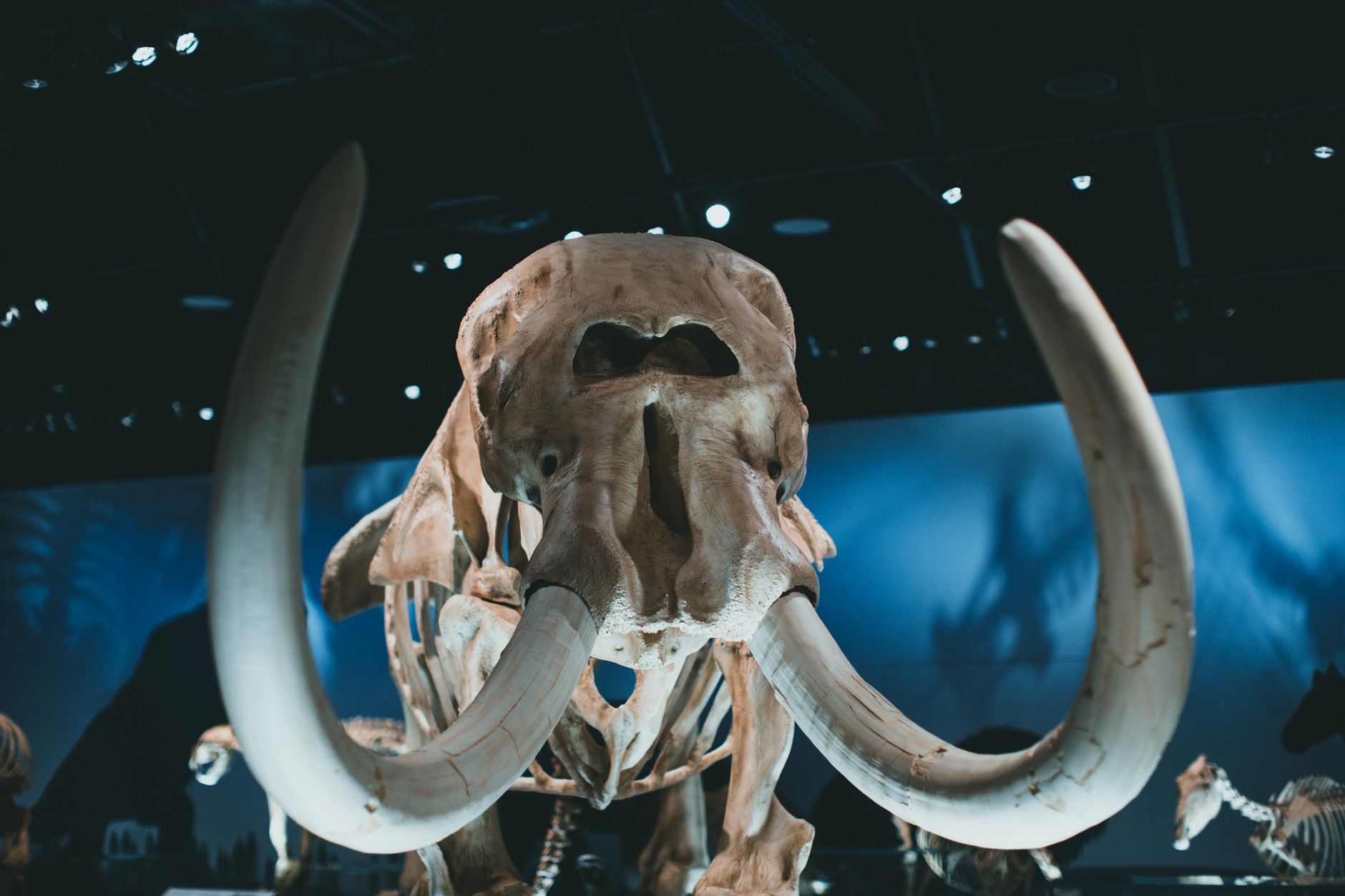
- Ecological Restoration: Reintroducing extinct species can restore damaged ecosystems. For example, the return of large herbivores like mammoths could revitalize tundra landscapes.
- Conservation Benefits: De-extinction research can improve our understanding of genetics, reproductive biology, and disease resistance, benefiting the conservation of living species.
- Scientific Advancement: The techniques developed for de-extinction can be applied to other fields, such as regenerative medicine and genetic engineering.
- Moral Obligation: Some argue that we have a moral obligation to undo the damage caused by human-induced extinctions.
However, these potential benefits are balanced by significant challenges and ethical considerations.
The De-Extinction Process: Methods and Technologies

Several methods are being explored to bring back extinct animals, each with its own limitations:
- Back-Breeding: This involves selectively breeding closely related living species to enhance traits resembling the extinct species. For example, the Heck cattle are an attempt to recreate the extinct Aurochs. This method, however, doesn’t create a true extinct animal, but rather a breed that resembles it.
- Cloning: This technique involves transferring the nucleus of a preserved cell from the extinct species into an egg cell of a closely related living species, from which the nucleus has been removed. Dolly the sheep was famously cloned using this method. However, successful cloning requires well-preserved DNA, which is rare for extinct animals.
- Genome Editing (CRISPR): This is the most promising, albeit complex, approach. Scientists can use CRISPR-Cas9 technology to edit the genome of a living species to incorporate genes from the extinct species. This method has been used in attempts to bring back the Woolly Mammoth by introducing mammoth genes into the Asian elephant genome.
Here’s a simplified overview of the CRISPR-based de-extinction process:
- Obtain DNA: Extract genetic material from well-preserved remains of the extinct species.
- Identify Target Genes: Pinpoint the specific genes that distinguish the extinct species from its closest living relative.
- Edit Genome: Use CRISPR-Cas9 to precisely insert the extinct species’ genes into the genome of the living relative.
- Create Embryo: Develop an embryo containing the modified genome.
- Surrogate Mother: Implant the embryo into a surrogate mother of the living relative species.
- Monitor and Study: Observe and study the resulting offspring to assess the success of the de-extinction attempt.
Ethical and Practical Considerations: A Complex Landscape
Despite the technological advancements, de-extinction faces numerous ethical and practical hurdles:
- Ecological Impact: Reintroducing an extinct species could have unforeseen and potentially negative consequences for existing ecosystems. Competition for resources or the introduction of new diseases are concerns.
- Animal Welfare: The de-extinction process itself could be harmful to the animals involved, particularly the surrogate mothers. The health and well-being of the resurrected species is another concern.
- Resource Allocation: Funding de-extinction projects could divert resources from existing conservation efforts, which are arguably more effective in preserving biodiversity.
- Ethical Ownership: Questions arise about who owns the resurrected species and what rights it should have.
- Genetic Authenticity: Even with advanced techniques, it’s impossible to perfectly recreate the original extinct species. The resulting animal will likely be a hybrid, with a mix of genes from both the extinct and living species.
Common Misconceptions About De-Extinction
There are several prevalent misconceptions about the capabilities and goals of de-extinction efforts:
- Jurassic Park Scenario: The idea that de-extinction will lead to theme parks filled with dinosaurs is highly unrealistic. Dinosaurs are too distantly related to any living species, and their DNA is too degraded for current technologies to be effective.
- Perfect Recreation: It’s impossible to perfectly recreate an extinct animal. Even with CRISPR, the resulting animal will be a hybrid, and epigenetic factors will influence its development and behavior.
- Easy Process: De-extinction is a highly complex and challenging process that requires significant scientific resources and expertise. Success is far from guaranteed.
- Replacing Conservation: De-extinction should not be seen as a replacement for traditional conservation efforts. Preventing extinction in the first place is far more effective and ethical than attempting to reverse it later.
| Misconception | Reality |
|---|---|
| Jurassic Park Scenario | Targeting recently extinct species or closely related species for revival. |
| Perfect Recreation | Creating a hybrid rather than a perfect replica. Epigenetic factors influence development. |
| Easy Process | Complex and challenging, requiring significant scientific resources and expertise. |
| Replacing Conservation | Supporting but not replacing traditional conservation efforts. Prevention is key. |
Can extinct animals be brought back?: A Realistic Assessment
While the dream of resurrecting long-lost species is enticing, a realistic assessment reveals the complexities and limitations of de-extinction. The focus is not on creating exact copies of extinct animals but rather on using genetic engineering to introduce specific traits from extinct species into their closest living relatives. This approach could have significant benefits for conservation and ecological restoration, but it also raises important ethical and practical considerations that must be carefully addressed. De-extinction is not a magic bullet for biodiversity loss, but it could be a valuable tool in our efforts to preserve and restore the natural world.

Frequently Asked Questions (FAQs)
What is the current status of Woolly Mammoth de-extinction efforts?
Several research groups are actively working on bringing back the Woolly Mammoth by using CRISPR-Cas9 technology to insert mammoth genes into the Asian elephant genome. The goal is to create a hybrid animal that possesses traits of the mammoth, such as cold-resistant blood and a thick coat of fur. These efforts are still in the early stages, and the creation of a viable mammoth-elephant hybrid is years away.
Which extinct animal is considered the most likely candidate for de-extinction?
The passenger pigeon is often cited as the most likely candidate for de-extinction. It went extinct relatively recently (early 20th century), and its genome has been sequenced. Furthermore, its ecological role as a seed disperser and forest regenerator makes it a potentially valuable species for ecosystem restoration.
What are the potential benefits of bringing back the passenger pigeon?
Reintroducing the passenger pigeon could have significant benefits for forest ecosystems in North America. The pigeon’s massive flocks once played a crucial role in seed dispersal and forest regeneration. Restoring this ecological function could help to improve forest health and resilience.
Are there any examples of “de-extinction” that have already been achieved?
While no species has been fully brought back from extinction, there have been some limited successes in recreating extinct traits in living animals. For example, scientists have used back-breeding to create cattle that resemble the extinct Aurochs. However, these are not true de-extinctions, but rather breeds that share some characteristics with their extinct ancestors.
What are the main ethical concerns associated with de-extinction?
The main ethical concerns include the potential for ecological harm, animal welfare issues, and the allocation of resources away from existing conservation efforts. It’s crucial to carefully weigh the potential benefits of de-extinction against these ethical considerations before proceeding with any project. The suffering of surrogate mothers and ensuring the well-being of resurrected animals is a top priority.
How much does it cost to de-extinct an animal?
The cost of de-extinction varies depending on the species and the techniques used. However, it is generally a very expensive endeavor, requiring significant investment in research, technology, and infrastructure. Some estimates suggest that de-extincting a single species could cost millions of dollars.
What are the chances of a de-extinct animal surviving in the wild?
The chances of a de-extinct animal surviving in the wild are highly uncertain. Extinct species often went extinct due to habitat loss, climate change, or other environmental factors. If these conditions still exist, the de-extinct animal may not be able to survive. Furthermore, the animal may lack the necessary social skills or adaptations to thrive in the wild.
What role does the quality of DNA play in de-extinction attempts?
The quality of DNA is critical for de-extinction efforts. Well-preserved DNA is essential for cloning and genome editing. However, DNA degrades over time, making it difficult to obtain high-quality DNA from ancient or poorly preserved remains.
Who decides which extinct animals should be brought back?
The decision of which extinct animals to bring back is a complex one that should involve scientists, ethicists, conservationists, and the public. Factors to consider include the ecological importance of the species, the feasibility of de-extinction, and the potential ethical implications.
How can we ensure that de-extinction efforts benefit conservation?
To ensure that de-extinction efforts benefit conservation, it’s essential to prioritize species that can play a significant role in ecosystem restoration and to carefully assess the potential ecological risks. De-extinction should be viewed as a complement to, not a replacement for, traditional conservation efforts.
What are the regulatory frameworks governing de-extinction research and implementation?
Currently, there are no specific regulatory frameworks governing de-extinction. However, existing regulations related to genetic engineering, animal welfare, and environmental protection may apply. The development of clear and comprehensive regulatory frameworks is crucial to ensure that de-extinction is conducted responsibly and ethically.
Could de-extinction lead to the creation of new diseases?
There is a theoretical risk that de-extinction could lead to the re-emergence of extinct diseases or the creation of new diseases. Extinct animals may have carried pathogens that are no longer present in living species. It’s essential to carefully assess and mitigate this risk before reintroducing de-extinct animals into the wild.