
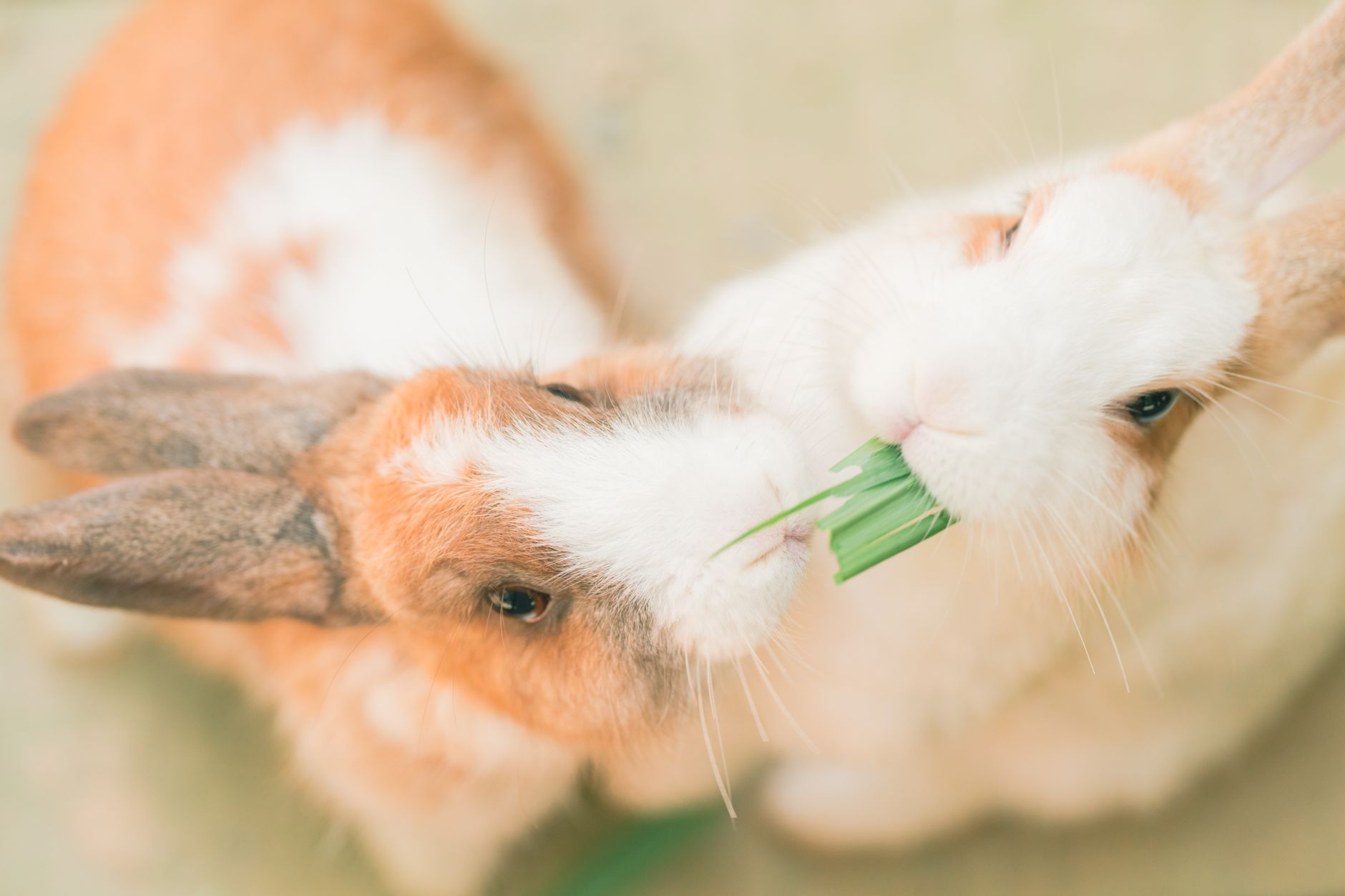
Can Dogs Eat Rabbit? A Deep Dive into This Protein-Rich Food
Yes, dogs can eat rabbit. In fact, rabbit meat is an excellent source of lean protein and essential nutrients, making it a healthy and beneficial addition to a dog’s diet when prepared and sourced safely.
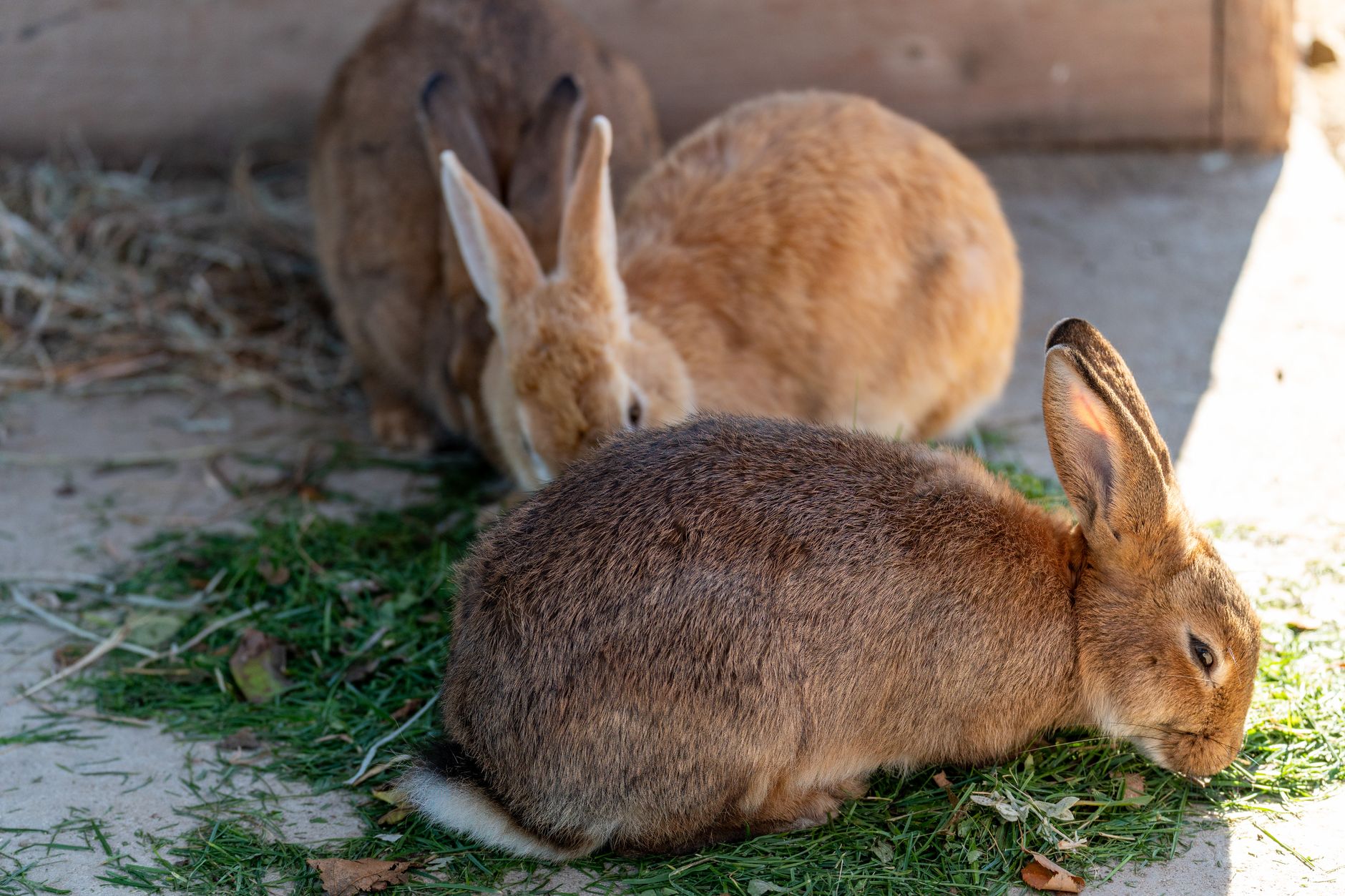
Why Rabbit is a Good Choice for Dogs
Rabbit offers several advantages over other protein sources commonly found in commercial dog foods. Its nutritional profile and digestibility make it a particularly suitable option for dogs with sensitivities or allergies.
-
Lean Protein Source: Rabbit is extremely lean, containing significantly less fat than beef, pork, or chicken. This makes it ideal for weight management and dogs prone to pancreatitis.
-
Highly Digestible: The protein structure of rabbit is easily broken down by a dog’s digestive system, leading to better nutrient absorption and reduced digestive upset.
-
Novel Protein: For dogs with food allergies or sensitivities, rabbit often acts as a novel protein, meaning they haven’t been exposed to it before. This reduces the likelihood of triggering an allergic reaction.
-
Rich in Nutrients: Rabbit is packed with essential nutrients, including B vitamins (B12 in particular), iron, phosphorus, and selenium, all vital for maintaining overall health and well-being.
How to Safely Feed Rabbit to Your Dog
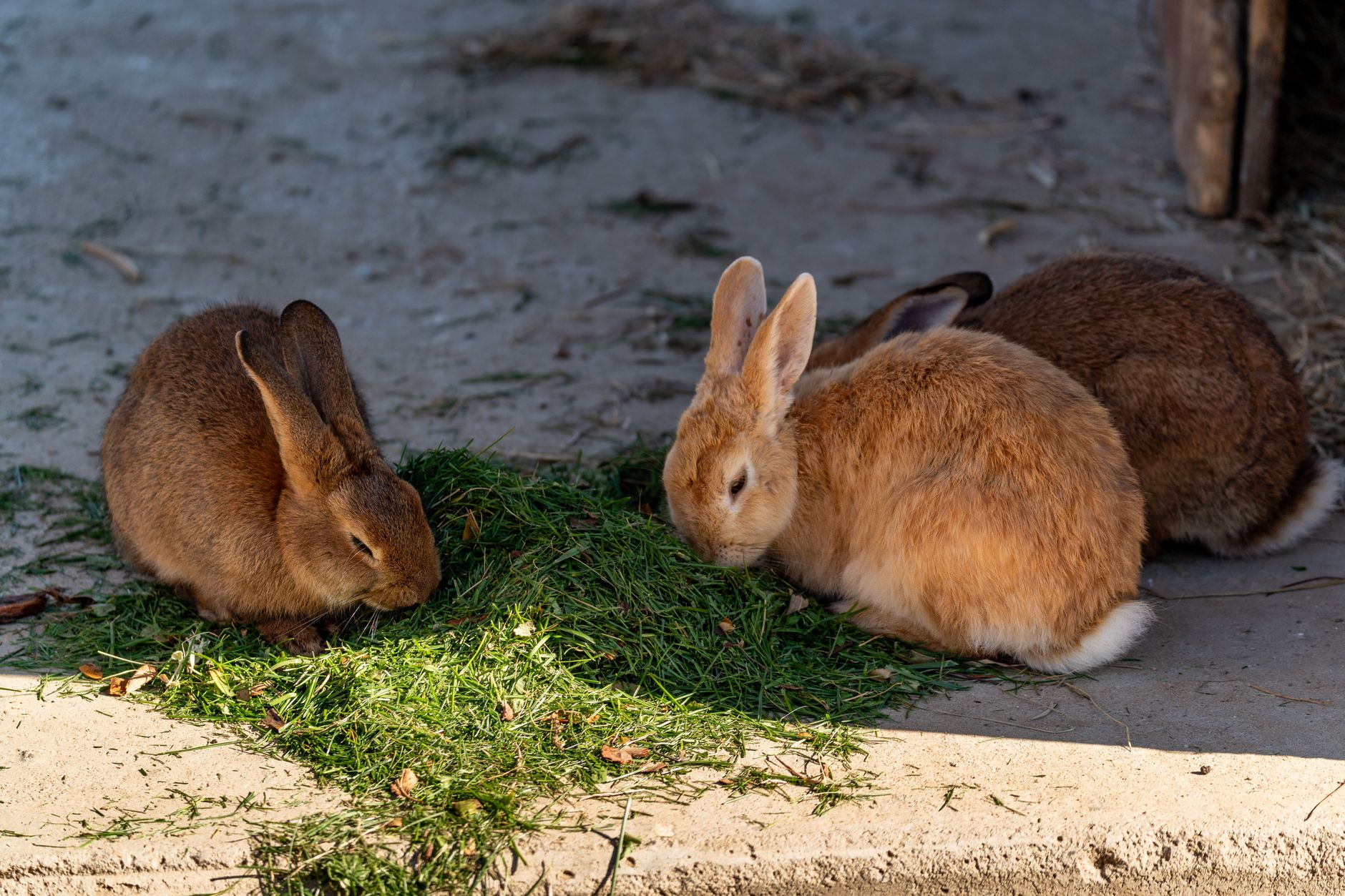
While rabbit is generally safe for dogs, proper preparation and sourcing are crucial to avoid potential health risks. Raw feeding carries inherent risks, but even cooked rabbit requires careful handling.

-
Source Ethically: Purchase rabbit from reputable sources known for hygienic practices. Wild rabbit carries a higher risk of parasites and diseases.
-
Cook Thoroughly: Cooking rabbit eliminates the risk of bacterial contamination (like E. coli or Salmonella) and parasites. Ensure the internal temperature reaches 165°F (74°C).
-
Remove Bones: Rabbit bones, especially cooked ones, can splinter and pose a choking hazard or cause internal damage. Always remove bones before feeding rabbit to your dog.
-
Introduce Gradually: If your dog is new to rabbit, introduce it slowly to avoid digestive upset. Start with a small amount and gradually increase the portion size over several days.
-
Monitor for Allergies: Although rabbit is often a novel protein, allergic reactions are still possible. Watch for signs such as itching, skin rashes, vomiting, or diarrhea.
Potential Risks of Feeding Rabbit to Dogs
While the benefits are substantial, certain risks need to be considered when incorporating rabbit into your dog’s diet.
-
Parasites: Wild rabbit can harbor parasites such as worms, coccidia, and Toxoplasma gondii. Thorough cooking destroys most parasites, but freezing for an extended period before cooking can also help.
-
Bacteria: Raw rabbit can contain harmful bacteria that can cause illness in both dogs and humans. Proper handling and cooking are essential.
-
Tularemia: Also known as “rabbit fever,” Tularemia is a bacterial disease that can be transmitted to dogs and humans through contact with infected rabbits. While rare, it’s a serious concern, especially with wild rabbit. Cooking thoroughly eliminates the risk.
-
Bone Issues: As mentioned before, bones (especially cooked ones) are a significant choking and internal injury hazard.
Wild vs. Farm-Raised Rabbit
Choosing between wild and farm-raised rabbit for your dog involves weighing the pros and cons.
| Feature | Wild Rabbit | Farm-Raised Rabbit |
|---|---|---|
| Nutrient Profile | Potentially higher in certain vitamins/minerals | More consistent and controlled |
| Risk of Disease | Higher risk of parasites and diseases | Lower risk due to controlled environment |
| Availability | Seasonal and location-dependent | Generally available year-round |
| Ethically Sourced | Difficult to guarantee | Easier to ensure humane treatment |
Ultimately, farm-raised rabbit is generally considered safer due to the lower risk of disease and parasites.
How to Incorporate Rabbit into Your Dog’s Diet
Rabbit can be introduced into a dog’s diet in various ways:
-
Commercial Dog Food: Some dog food brands offer formulas with rabbit as the primary protein source.
-
Homemade Meals: You can cook rabbit and add it to homemade dog food recipes, ensuring a balanced diet.
-
Treats: Dehydrated rabbit ears or pieces can be offered as occasional treats.
-
Raw Feeding (Caution): If you choose to feed raw rabbit, it’s crucial to follow strict food safety guidelines and consult with a veterinarian or canine nutritionist experienced in raw feeding.
Frequently Asked Questions (FAQs)
What is the best way to prepare rabbit for my dog?
The safest and recommended method is to thoroughly cook the rabbit until the internal temperature reaches 165°F (74°C). This eliminates the risk of bacteria and parasites. Always remove bones before feeding.
Can I feed my dog raw rabbit bones?
Never feed cooked rabbit bones. They are brittle and can splinter, causing choking or internal injuries. Raw bones can be a part of a raw feeding diet, but only under strict supervision and with the guidance of a veterinarian knowledgeable in raw feeding.
How much rabbit can I feed my dog?
The amount of rabbit you can feed your dog depends on their size, activity level, and overall diet. As a general guideline, rabbit should make up no more than 20-30% of their daily caloric intake. Consult with your veterinarian for personalized recommendations.
Is rabbit suitable for puppies?
Yes, rabbit can be a healthy protein source for puppies, provided it is properly prepared and introduced gradually. However, it’s essential to ensure that the puppy receives a balanced diet with all the necessary nutrients for growth and development. Consult with your veterinarian for specific dietary needs.
Can rabbit help with my dog’s allergies?
Rabbit is often used as a novel protein for dogs with food allergies. If your dog has sensitivities to common proteins like chicken or beef, rabbit could be a suitable alternative. Consult with your veterinarian to determine if rabbit is appropriate for your dog’s specific allergies.
Are there any dogs that should not eat rabbit?
While rabbit is generally safe, dogs with certain pre-existing conditions, such as kidney disease, may need to limit their protein intake. Consult with your veterinarian to determine if rabbit is suitable for your dog’s individual health needs.
What are the symptoms of a rabbit allergy in dogs?
Symptoms of a rabbit allergy in dogs can include itching, skin rashes, vomiting, diarrhea, and ear infections. If you suspect your dog is allergic to rabbit, discontinue feeding it and consult with your veterinarian.
Is wild rabbit safe for my dog to eat?
Wild rabbit carries a higher risk of parasites, bacteria, and diseases like Tularemia. While cooking can mitigate some of these risks, farm-raised rabbit is generally a safer option.
How should I store rabbit meat for my dog?
Rabbit meat should be stored in the refrigerator or freezer, just like other types of meat. Raw rabbit should be stored separately from other foods to prevent cross-contamination. Cooked rabbit can be stored in the refrigerator for 3-4 days.
Can dogs eat rabbit droppings?
Dogs should not eat rabbit droppings. Rabbit droppings can contain parasites and bacteria that can make your dog sick. Discourage your dog from eating rabbit droppings during walks or in the backyard.
What are the benefits of feeding rabbit to my senior dog?
Rabbit’s lean protein content and digestibility make it beneficial for senior dogs. It helps maintain muscle mass and supports healthy digestion. Consult your vet to make sure it’s appropriate for your senior dog’s particular health profile.
What should I do if my dog ate a wild rabbit?
If your dog ate a wild rabbit, monitor them closely for signs of illness, such as vomiting, diarrhea, lethargy, or loss of appetite. Contact your veterinarian if you observe any of these symptoms. Your vet may recommend deworming or other treatments.