
Can Birds Recover From Psittacosis? Understanding Parrot Fever and Avian Recovery
Can birds recover from psittacosis? Yes, with appropriate and timely antibiotic treatment, many birds can recover from psittacosis, also known as parrot fever, though the process can be complex and require ongoing monitoring.
Introduction: Psittacosis in Birds – A Zoonotic Threat
Psittacosis, or avian chlamydiosis, is a systemic infectious disease caused by the bacterium Chlamydia psittaci. This bacterium infects a wide variety of bird species, from parrots and cockatiels to pigeons and poultry, and poses a significant zoonotic risk, meaning it can be transmitted to humans. Understanding the disease, its symptoms, and, most importantly, the potential for recovery is crucial for bird owners, breeders, and anyone working with avian populations.
Transmission and Prevalence of Psittacosis
The Chlamydia psittaci bacterium is typically spread through:
- Inhalation of airborne particles containing dried feces, respiratory secretions, or feather dust from infected birds.
- Direct contact with infected birds, especially through handling or close proximity.
- Ingestion of contaminated materials.
Prevalence rates vary widely depending on factors such as bird species, geographic location, and living conditions. In some populations, a significant percentage of birds may be asymptomatic carriers, shedding the bacterium without showing outward signs of illness.
Symptoms of Psittacosis in Birds
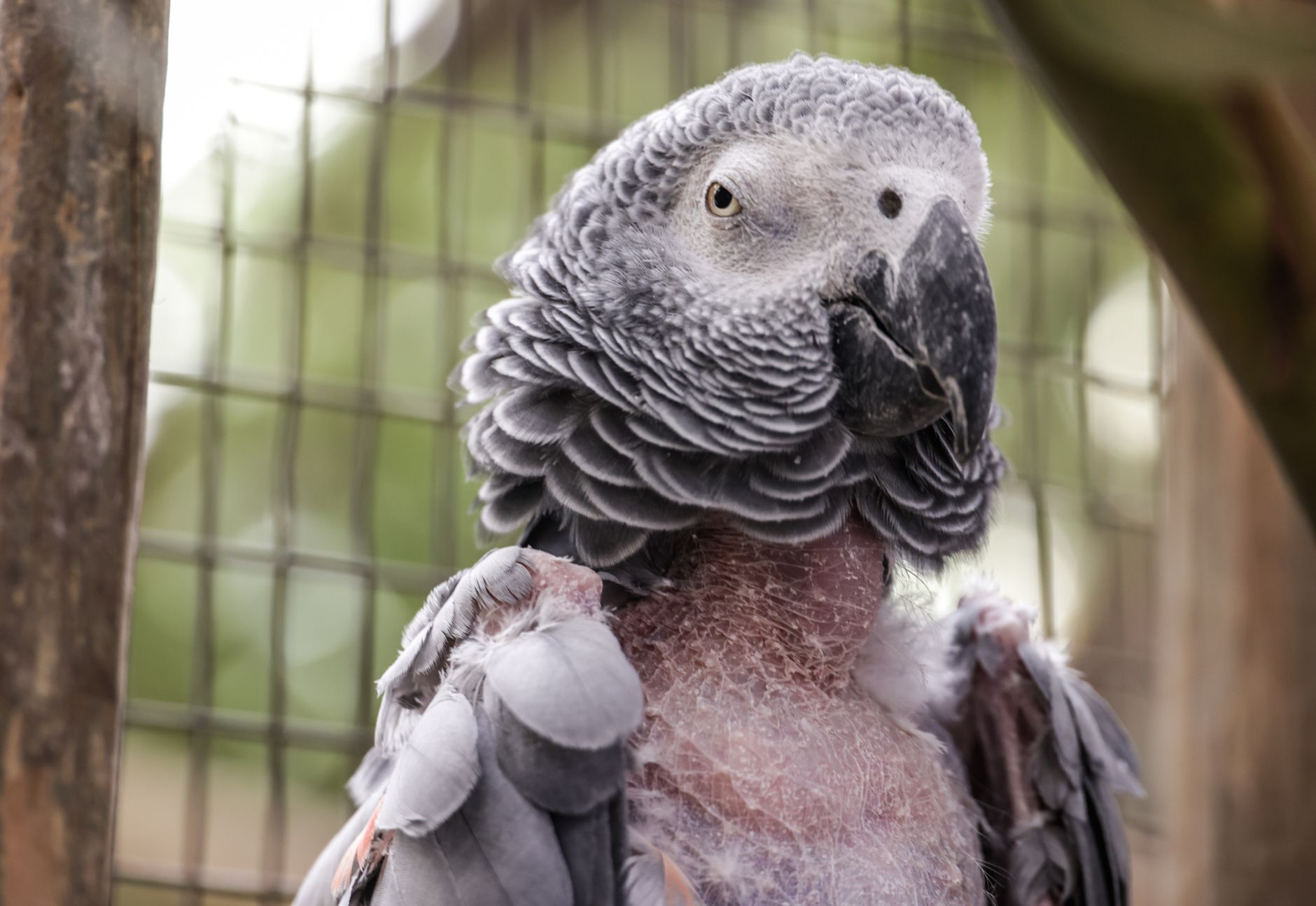
The clinical signs of psittacosis in birds can be highly variable, ranging from mild or absent symptoms to severe, life-threatening illness. Common signs include:
- Lethargy and weakness
- Loss of appetite and weight loss
- Respiratory distress, such as sneezing, coughing, and nasal discharge
- Ocular discharge (eye infections)
- Diarrhea or abnormal droppings (often green or yellow)
- Feather abnormalities
- Neurological signs (in severe cases)
It’s important to note that some infected birds may appear perfectly healthy, making diagnosis challenging.
Diagnosis and Treatment of Psittacosis
Diagnosis typically involves:
- Physical examination and assessment of clinical signs.
- Laboratory testing, such as PCR (polymerase chain reaction) on cloacal or choanal swabs, or blood tests.
- Radiography (X-rays) to assess lung involvement.
The cornerstone of treatment for psittacosis is antibiotic therapy, most commonly using tetracycline-based drugs like doxycycline. Treatment duration can range from several weeks to months, depending on the severity of the infection and the species of bird affected. Supportive care, such as fluid therapy and nutritional support, may also be necessary.
Can birds recover from psittacosis? – Factors Affecting Recovery
Several factors influence a bird’s ability to recover from psittacosis:
- Early diagnosis and treatment: Prompt intervention significantly improves the chances of a successful outcome.
- Severity of infection: Birds with mild to moderate infections are more likely to recover fully.
- Species of bird: Some species are more susceptible to psittacosis and may experience more severe symptoms, impacting recovery.
- Overall health of the bird: Underlying health conditions can compromise the immune system and hinder recovery.
- Compliance with treatment: Consistent administration of antibiotics is essential for eradicating the infection.
Preventing Psittacosis in Birds
Prevention strategies include:
- Quarantine new birds for several weeks before introducing them to existing flocks.
- Maintain good hygiene practices, such as regular cleaning and disinfection of cages and enclosures.
- Provide a balanced diet to support the immune system.
- Minimize stress, as stress can weaken the immune system and increase susceptibility to infection.
- Regular veterinary check-ups to monitor the health of your birds.
Zoonotic Risks and Human Health
Psittacosis is a zoonotic disease, meaning it can be transmitted from animals to humans. In humans, psittacosis can cause flu-like symptoms, pneumonia, and, in rare cases, more serious complications. People who work closely with birds, such as pet shop employees, veterinarians, and bird breeders, are at higher risk of infection.
It is crucial to practice good hygiene when handling birds or cleaning their cages to minimize the risk of human infection. If you suspect you may have contracted psittacosis, seek medical attention promptly.
Post-Treatment Monitoring and Long-Term Care
Even after completing antibiotic treatment, regular veterinary check-ups are important to monitor for recurrence of the infection. Blood tests or other diagnostic tests may be performed to confirm that the bacteria has been eradicated. Supportive care, such as a balanced diet and stress reduction, can help to maintain the bird’s overall health and prevent relapse. In some cases, prolonged or intermittent antibiotic therapy may be necessary to manage chronic infections.

Frequently Asked Questions About Psittacosis and Avian Recovery
How long does it take for a bird to recover from psittacosis?
The recovery time from psittacosis varies depending on several factors, including the severity of the infection, the species of bird, and the individual bird’s overall health. In general, birds may start showing improvement within a few days of starting antibiotic treatment, but complete recovery can take several weeks or even months. Regular monitoring by a veterinarian is essential to track progress and adjust treatment as needed.
Can psittacosis be completely cured in birds?
While psittacosis can often be successfully treated with antibiotics, it is important to understand that the bacteria can sometimes persist in the bird’s system even after treatment. This means that the bird may become a carrier of the bacteria without showing symptoms and potentially shed it intermittently. Therefore, while a clinical cure is achievable, complete eradication of the bacteria is not always guaranteed.
What are the signs of psittacosis relapse after treatment?
Signs of psittacosis relapse are similar to the initial symptoms of the disease, including lethargy, loss of appetite, respiratory distress, and abnormal droppings. If you notice any of these signs in your bird after it has been treated for psittacosis, it is crucial to consult with your veterinarian immediately.
Is psittacosis contagious to other birds?
Yes, psittacosis is highly contagious to other birds. The bacteria can spread through the air via contaminated dust particles or through direct contact with infected birds. If one bird in a flock is diagnosed with psittacosis, it is important to quarantine the affected bird and test all other birds in the flock to prevent further spread of the infection.
How can I prevent psittacosis from spreading in my aviary?
Prevention measures include quarantining new birds, maintaining good hygiene practices, providing a balanced diet to support the immune system, and minimizing stress. Regular cleaning and disinfection of cages and enclosures are essential to reduce the risk of bacterial contamination.
What type of antibiotics are used to treat psittacosis in birds?
Tetracycline-based antibiotics, such as doxycycline, are the most commonly used medications for treating psittacosis in birds. These antibiotics are effective at inhibiting the growth and multiplication of Chlamydia psittaci. The specific dosage and duration of treatment will depend on the severity of the infection and the species of bird affected.
Are there any side effects of antibiotic treatment for psittacosis in birds?
Like all medications, antibiotics can cause side effects in birds. Common side effects of tetracycline antibiotics include gastrointestinal upset, such as diarrhea or loss of appetite. In some cases, birds may also experience liver or kidney damage. Your veterinarian will monitor your bird closely for any signs of side effects and adjust the treatment plan as needed.
Can humans catch psittacosis from birds?
Yes, psittacosis is a zoonotic disease that can be transmitted from birds to humans. Humans can contract the infection by inhaling contaminated dust particles or through direct contact with infected birds.
What are the symptoms of psittacosis in humans?
In humans, psittacosis typically causes flu-like symptoms, such as fever, headache, muscle aches, and cough. In some cases, it can also lead to pneumonia and other more serious complications. If you suspect you may have contracted psittacosis, seek medical attention promptly.
How is psittacosis diagnosed in humans?
Psittacosis is diagnosed in humans through blood tests or respiratory secretions. These tests can detect the presence of Chlamydia psittaci antibodies or the bacteria itself.
How is psittacosis treated in humans?
Psittacosis in humans is treated with antibiotics, typically tetracycline or doxycycline. Treatment is usually effective, and most people recover fully.
What precautions should I take when handling birds to prevent psittacosis?
To minimize the risk of contracting psittacosis, practice good hygiene when handling birds or cleaning their cages. Wear gloves and a mask to prevent inhaling contaminated dust particles. Wash your hands thoroughly with soap and water after handling birds or their belongings. If you have any symptoms of psittacosis, seek medical attention promptly. Understanding Can birds recover from psittacosis? is an important factor in ensuring the welfare of pet bird ownership.