

Can Baby Roaches Be White? Understanding Nymph Coloration
The answer is yes, baby roaches can appear white, but this isn’t their natural state. This ghostly appearance is temporary and occurs during the molting process when their exoskeleton is new and hasn’t yet hardened and darkened.
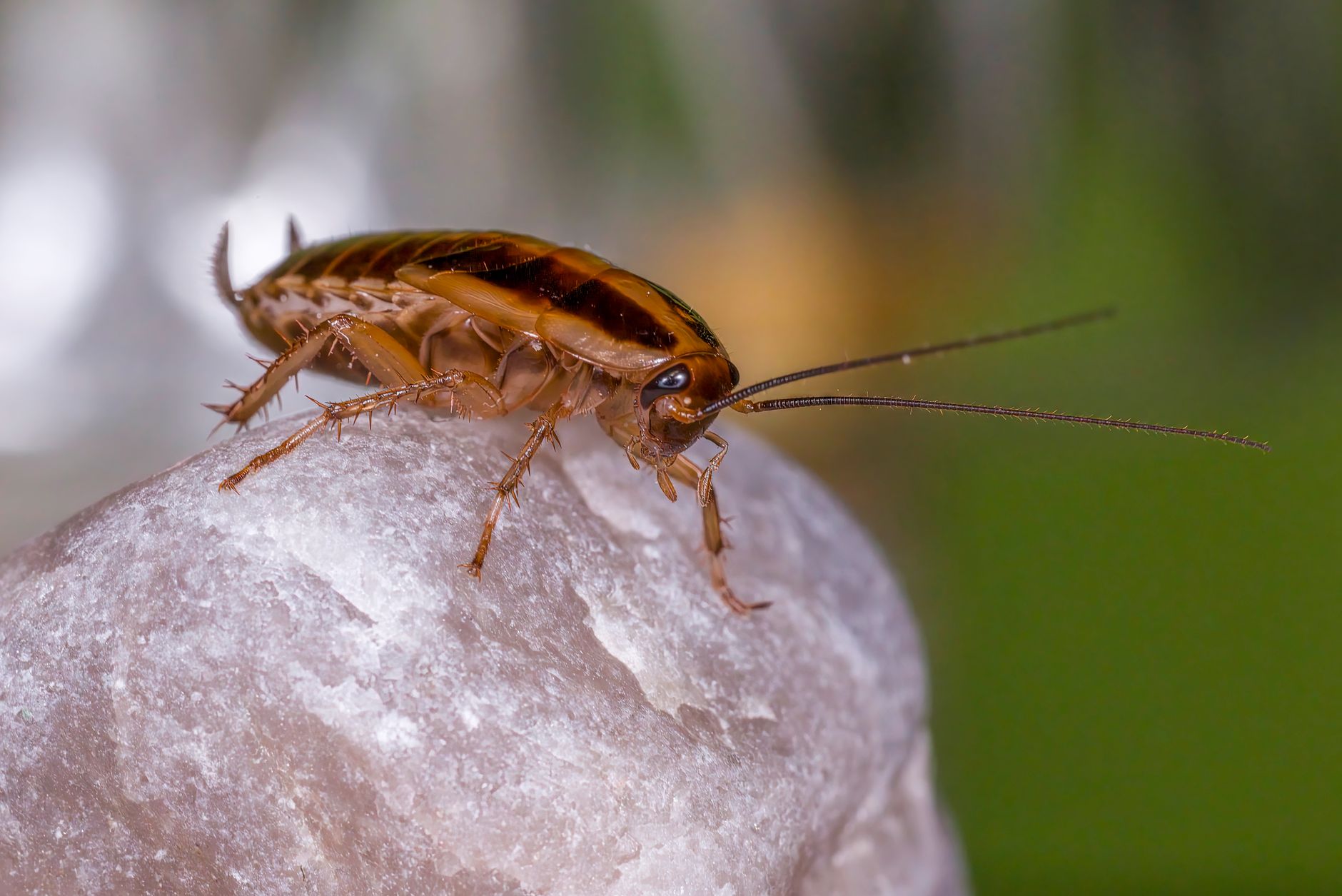
The Roach Molting Process: A Brief Overview
Roaches, like all insects with exoskeletons, grow by molting. This process involves shedding their old, rigid outer layer to allow for expansion and growth. This new exoskeleton is initially soft and vulnerable, leaving the roach susceptible to predators and environmental hazards. The whole molting process is vital for survival.
The White Stage: A Temporary Phase

When a roach sheds its old exoskeleton, the newly exposed cuticle is almost entirely white or translucent. This is because the pigments responsible for their typical brown or black coloration haven’t yet been deposited. This period is temporary, lasting only a few hours to a day, depending on the roach species and environmental factors like humidity.
Why Are They White During Molting?
The lack of pigmentation serves a crucial purpose. A softer exoskeleton is easier to expand, allowing the roach to grow. The hardening and darkening process, known as sclerotization, takes time as the proteins and pigments cross-link to create a strong and protective outer layer.
Factors Influencing Coloration
Several factors influence the final coloration of a roach after molting:
- Species: Different roach species have varying pigments and coloration patterns. German roaches, for example, typically have light brown nymphs, while American roaches have reddish-brown nymphs.
- Age: Younger nymphs tend to be lighter in color than older ones.
- Diet: Diet can influence the availability of certain pigments, potentially impacting coloration.
- Environment: Humidity and temperature play a role in the hardening process and can influence the final color. High humidity, for instance, can slow down the process, potentially prolonging the white stage.
Common Misconceptions
One common misconception is that a white roach is a different species altogether. While albino roaches (lacking pigmentation entirely) are theoretically possible, they are exceptionally rare. Almost all “white roaches” are simply nymphs in the early stages of molting.
Distinguishing White Roaches From Other Pests
It’s important to differentiate between baby roaches in their molting phase and other pests. Termites, for instance, are often confused with white roaches. However, termites have a different body shape and social structure. Identifying the pest correctly is crucial for effective treatment.
The Importance of Understanding Roach Life Cycles
Understanding the roach life cycle, including the molting process, is critical for effective pest control. Knowing that baby roaches can be white helps homeowners and pest control professionals identify potential infestations early on and implement appropriate control measures. Targetting nymphs during this vulnerable stage may be more effective.
Roach Control Strategies
Effective roach control strategies involve a multi-pronged approach:
- Sanitation: Eliminate food and water sources.
- Sealing Entry Points: Seal cracks and crevices to prevent roaches from entering the home.
- Insecticides: Use appropriate insecticides, following label instructions carefully.
- Baits: Roach baits can be effective in attracting and killing roaches.
- Professional Pest Control: For severe infestations, consider hiring a professional pest control service.
Table: Comparing Roach Nymphs to Adult Roaches
| Feature | Roach Nymphs | Adult Roaches |
|---|---|---|
| Size | Smaller, varies depending on instar stage | Larger, fully grown |
| Wings | Absent or developing wing pads | Wings fully developed (in winged species) |
| Color | Lighter, can be white during molting | Darker, characteristic color for the species |
| Exoskeleton | Softer, more vulnerable | Harder, more protective |
| Reproductive State | Not reproductive | Reproductive |
Why Early Detection is Key
Early detection of roach infestations is crucial. A few roaches can quickly turn into a large infestation. Recognizing baby roaches can be white allows homeowners to take action before the problem escalates. Regularly inspect areas prone to roach activity, such as kitchens and bathrooms.
The Economic Impact of Roach Infestations
Roach infestations can have significant economic consequences. They can contaminate food, damage property, and spread disease. Businesses, in particular, can suffer significant losses due to roach infestations, impacting their reputation and bottom line.

Frequently Asked Questions (FAQs)
Are white roaches albino?
No, true albinism is very rare in roaches. Most “white roaches” are nymphs that have recently molted and are in the process of hardening and darkening their new exoskeleton.
How long do baby roaches stay white after molting?
The duration of the white stage varies, but it typically lasts from a few hours to a day. Environmental factors like humidity can influence the duration.
Are white roaches more vulnerable than darker roaches?
Yes, white roaches are more vulnerable because their exoskeleton is soft and doesn’t provide as much protection against predators and environmental hazards.
Can all roach species have white nymphs?
Yes, all roach species go through a molting process, and during this process, their nymphs can appear white. The intensity and duration of the white stage may vary depending on the species.
Do white roaches indicate a larger infestation?
Seeing baby roaches, even white ones, suggests that roaches are actively breeding and reproducing in the area. It may indicate a growing infestation.
What should I do if I see a white roach in my home?
Seeing a white roach is a sign you should take action. Thoroughly clean your home, especially the kitchen, and eliminate potential food and water sources. Consider using roach baits or calling a pest control professional.
Are white roaches dangerous?
White roaches pose the same health risks as other roaches. They can carry pathogens and contaminate food, potentially causing illnesses.
Do white roaches have wings?
No, nymphs, including white ones, do not have fully developed wings. Wings develop during the later stages of the roach life cycle.
Are there any specific insecticides that are more effective against white roaches?
While no insecticide is specifically designed for “white roaches,” it’s important to use products according to their label instructions. Targeting roaches during the molting stage can increase effectiveness, as they are more vulnerable.
Can white roaches be found outdoors?
Yes, white roaches can be found outdoors in areas where roaches are present. They may be hiding under rocks, leaves, or other debris.
What is the difference between a white roach and a termite?
While both can be light-colored, termites and roaches have different body shapes. Termites have straight antennae, a broad waist, and wings of equal length, while roaches have curved antennae, a narrow waist, and wings of unequal length.
Is it normal to see a white roach?
While not an everyday occurrence, seeing a white roach is relatively normal and simply means that a roach is going through the molting process. It is, however, a sign that roaches are present and breeding.