

Can Axolotls and Arowanas Coexist: A Risky Aquatic Partnership?
The answer is a resounding no. Housing axolotls with arowanas is a highly discouraged and potentially fatal combination due to vastly different environmental needs and the arowana’s predatory nature.
Understanding the Disparate Worlds of Axolotls and Arowanas
Keeping an aquarium ecosystem thriving requires careful consideration of each species’ needs. Trying to force incompatible creatures to coexist inevitably leads to stress, injury, and even death. The fundamental differences between axolotls and arowanas make cohabitation a recipe for disaster.
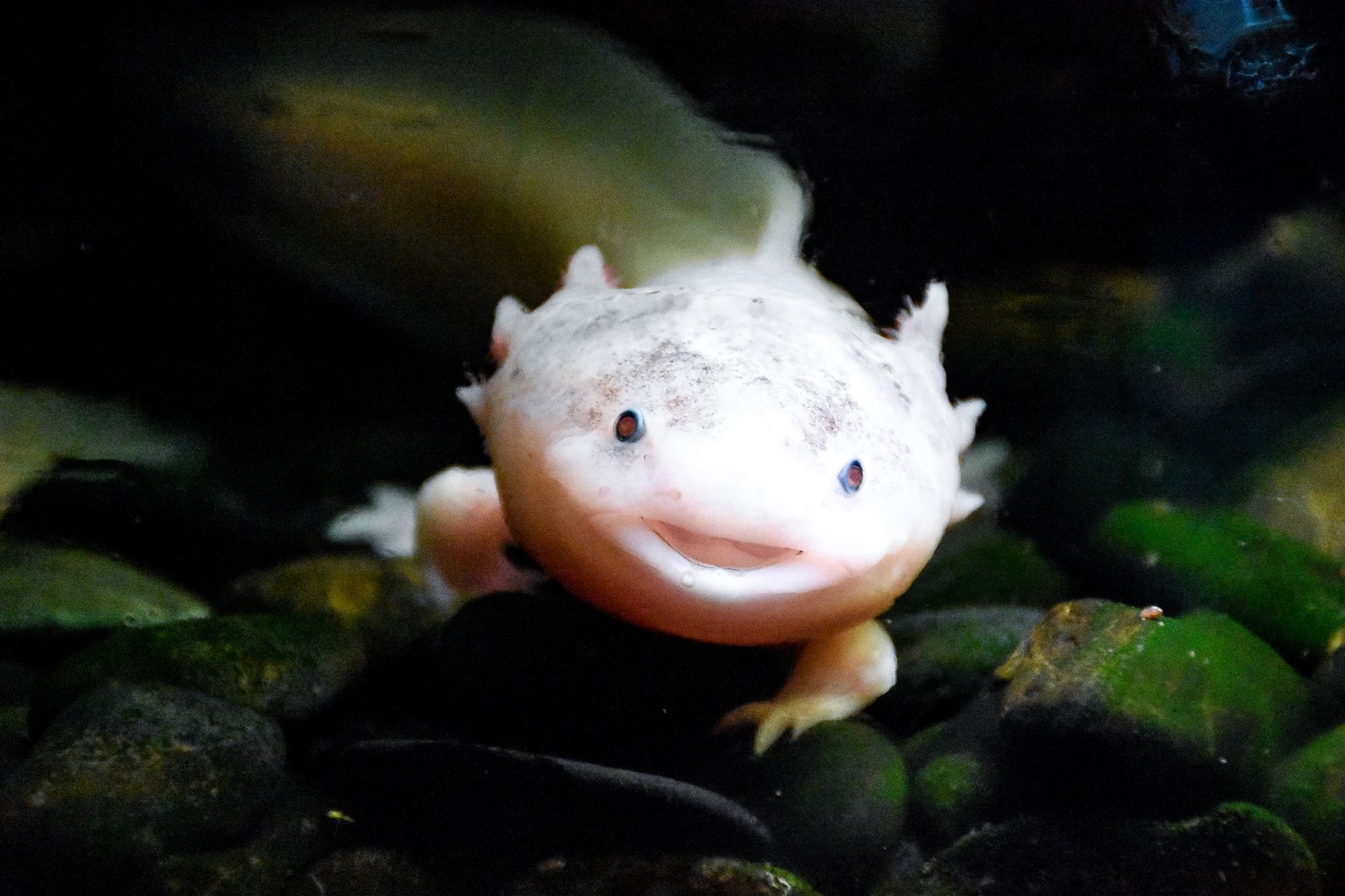
The Axolotl: A Cold-Water Salamander

- Origin: Endemic to the ancient lake system of Xochimilco near Mexico City.
- Temperature Requirements: Prefers cool water, ideally between 60-68°F (15-20°C). Temperatures above 72°F (22°C) cause stress and can lead to illness.
- Diet: Carnivorous; primarily feeds on worms, insects, and small crustaceans. They are ambush predators with poor eyesight, relying on movement to detect prey.
- Temperament: Relatively docile and slow-moving. Axolotls are bottom dwellers and spend most of their time near the tank floor.
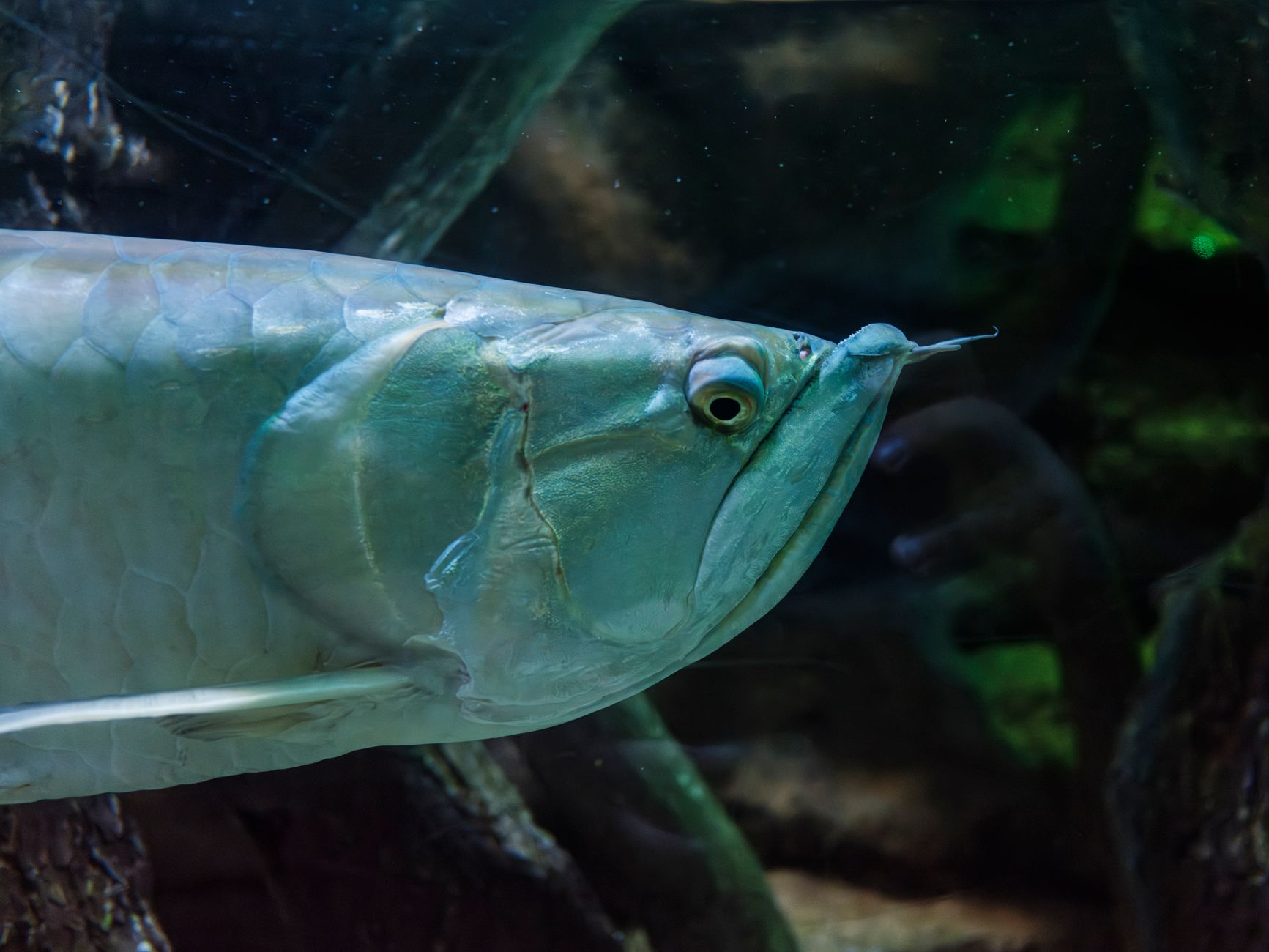
The Arowana: A Tropical Predator
- Origin: Native to rivers in South America, Asia, and Australia.
- Temperature Requirements: Requires warm water, ideally between 75-86°F (24-30°C).
- Diet: Carnivorous; feeds on insects, fish, crustaceans, and even small amphibians. Arowanas are opportunistic predators with excellent eyesight.
- Temperament: Highly aggressive and territorial. Arowanas are top-dwelling fish and are constantly on the lookout for food.
The Inevitable Conflict: Why They Can’t Live Together
The combination of differing temperature requirements, predatory behavior, and habitat preferences makes it impossible for axolotls and arowanas to peacefully coexist. Here’s why:
- Temperature Clash: The warm water required by arowanas is lethal to axolotls, causing stress, fungal infections, and ultimately death. Conversely, the cool water preferred by axolotls would weaken the arowana’s immune system, making it susceptible to disease.
- Predator-Prey Dynamic: Arowanas are opportunistic predators with a voracious appetite. They are highly likely to view axolotls as food, especially juvenile axolotls. Even if an arowana doesn’t immediately eat an axolotl, it could severely injure it.
- Habitat Competition: While axolotls are primarily bottom dwellers and arowanas prefer the top of the tank, there is still the potential for conflict as both species need access to the entire tank. The arowana’s aggressive nature will likely result in the axolotl being stressed and bullied.
- Water Chemistry Issues: Maintaining ideal water parameters for both species simultaneously is practically impossible. Different pH levels and mineral requirements contribute to an unsustainable environment.
Potential Risks and Consequences
Attempting to house axolotls with arowanas leads to a range of negative outcomes:
- Stress and Disease: Incompatible water parameters and bullying can severely weaken both species’ immune systems, making them prone to infections.
- Injury and Death: Arowanas can bite, nip, and even swallow smaller axolotls.
- Reduced Quality of Life: Constant stress significantly shortens the lifespan and diminishes the overall well-being of both animals.
- Environmental Imbalance: Introducing incompatible species disrupts the delicate balance of the aquarium ecosystem.
Alternative Tank Mates for Axolotls
Instead of arowanas, consider these suitable tank mates for axolotls (with caution and monitoring):
- White Cloud Mountain Minnows: These small, cold-water fish can be a suitable companion, but ensure they are large enough not to be eaten by the axolotl.
- Ghost Shrimp: Small, transparent shrimp that can help clean up detritus. Be aware that axolotls may prey on them.
- Snails (Nerite, Ramshorn): These snails are beneficial for algae control but should be quarantined beforehand to avoid introducing parasites.
Important Note: Even with compatible species, always closely monitor the tank environment and the behavior of your axolotl to ensure their safety and well-being.
Frequently Asked Questions (FAQs)
Can a baby axolotl live with a fully grown arowana?
Absolutely not. A baby axolotl would be an easy target for an arowana. The arowana’s predatory instincts would almost certainly lead to the axolotl being eaten. This is a very dangerous combination.
Would a very large tank mitigate the risk of keeping axolotls and arowanas together?
While a larger tank might provide more space, it doesn’t eliminate the fundamental incompatibility. The temperature difference and the arowana’s predatory nature remain significant issues. Increased space won’t stop an arowana from hunting.
What are the first signs of stress in an axolotl if kept in an unsuitable environment?
Signs of stress in axolotls include gill curling forward, loss of appetite, lethargy, and the appearance of fungal infections. If you notice these signs, immediately assess the water parameters and consider separating the axolotl.
Is it possible to acclimate an axolotl to warmer temperatures suitable for arowanas?
No. Axolotls are cold-water amphibians and cannot tolerate warm temperatures for extended periods. Attempting to acclimate them to warmer water will likely result in severe stress, illness, and death.
What are the ideal water parameters for axolotls in terms of pH, ammonia, nitrite, and nitrate?
Axolotls thrive in water with a pH between 6.5 and 8.0. Ammonia and nitrite levels should be 0 ppm, and nitrate levels should be kept below 20 ppm. Regular water changes are crucial for maintaining these parameters.
How often should I perform water changes for an axolotl tank?
Generally, a 20-30% water change should be performed weekly, or more frequently if nitrate levels are high. Always use dechlorinated water that is the same temperature as the tank water.
What are the common diseases that affect axolotls when kept in unsuitable conditions?
Common diseases include fungal infections (often appearing as cotton-like growths), bacterial infections, and parasitic infestations. These are often triggered by stress and poor water quality.
Can I keep multiple axolotls together in the same tank?
Yes, axolotls can generally be kept together as long as they are of similar size. Avoid housing very small axolotls with larger ones, as the larger axolotls may attempt to eat the smaller ones. Ensure adequate space and hiding places to minimize aggression.
What is the ideal diet for an axolotl?
Axolotls primarily eat worms, insects, and small crustaceans. A balanced diet can include earthworms, blackworms, bloodworms, and specialized axolotl pellets. Avoid feeding them live fish, as they can carry parasites.
What is the average lifespan of an axolotl in captivity?
With proper care, axolotls can live for 5-15 years in captivity. Providing a suitable environment and a nutritious diet are crucial for maximizing their lifespan.
What are the legal restrictions regarding owning and keeping axolotls?
In some regions, axolotls may be subject to specific regulations or require permits. It’s essential to check local laws before acquiring an axolotl to ensure compliance.
What are the best practices for setting up a new axolotl tank?
When setting up a new axolotl tank, cycle the tank before introducing the axolotl to establish a healthy biological filter. Use a gentle filter to avoid creating strong currents, and provide plenty of hiding places such as caves or plants.