
Can an 11-Year-Old Dog Safely Undergo Anesthesia?
Can an 11-year-old dog go under anesthesia? Generally, yes, but careful consideration and pre-anesthetic testing are crucial to ensure the safety and well-being of your senior dog.

Understanding Anesthesia and Senior Dogs
Anesthesia in dogs, regardless of age, always carries some risk. However, advances in veterinary medicine and anesthetic protocols have significantly improved safety, even for older patients. When considering anesthesia for an 11-year-old dog, it’s important to understand the specific challenges that age can present.
Age-Related Health Considerations
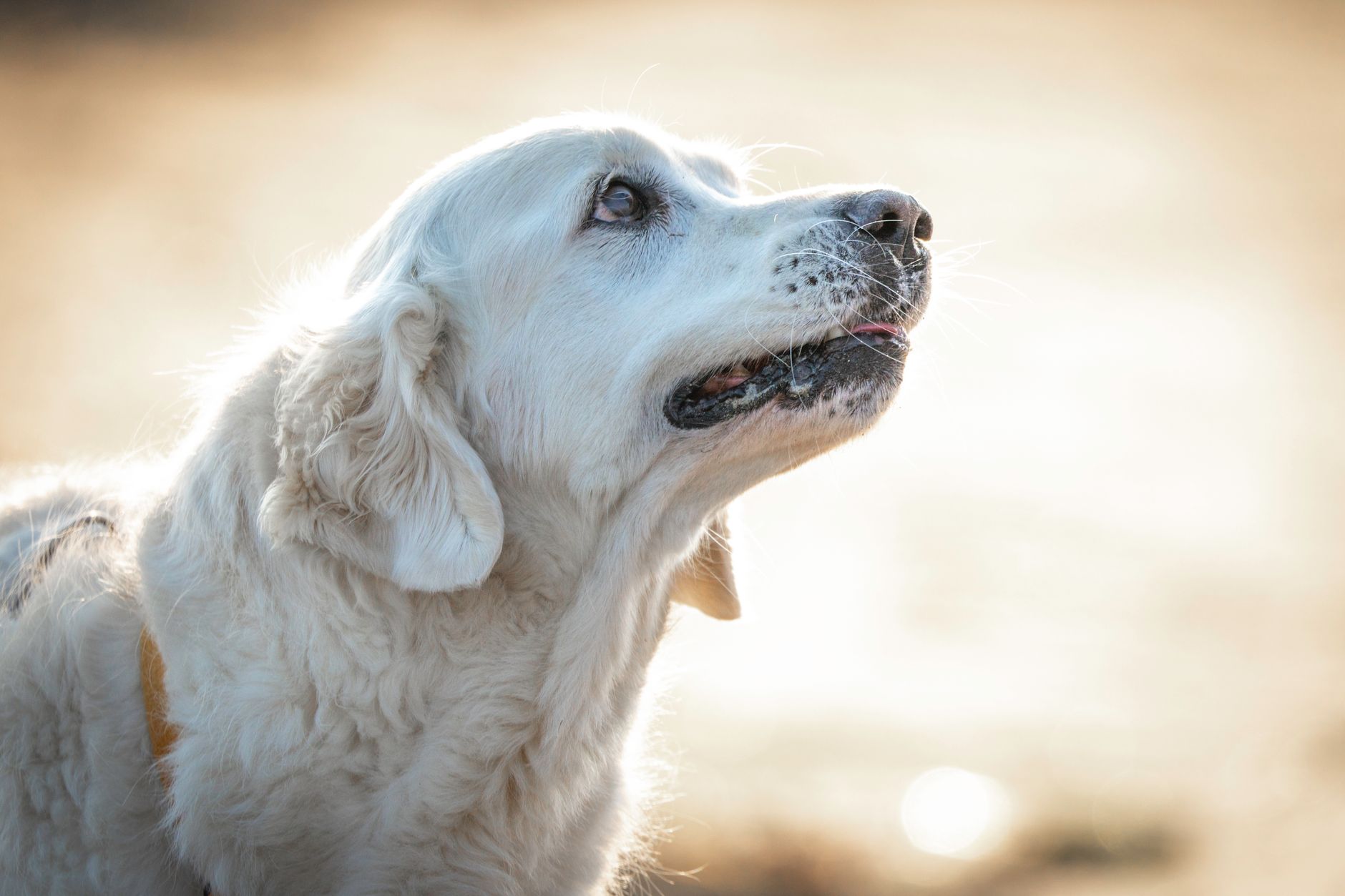
Senior dogs are statistically more likely to have underlying health conditions that can impact anesthetic safety. These conditions may not always be obvious and require careful evaluation:
- Heart Disease: Cardiac issues can be exacerbated by anesthesia.
- Kidney Disease: Reduced kidney function can affect how the dog processes and eliminates anesthetic drugs.
- Liver Disease: Similar to kidneys, a compromised liver affects drug metabolism.
- Diabetes: Blood sugar fluctuations during anesthesia can be dangerous.
- Arthritis: While not directly impacting anesthesia, positioning and movement during and after the procedure need careful consideration.
The Importance of Pre-Anesthetic Testing
Before any anesthetic procedure, thorough pre-anesthetic testing is essential, especially for senior dogs. This typically includes:
- Physical Examination: A complete physical exam by a veterinarian.
- Blood Work: A comprehensive blood panel to assess organ function (kidneys, liver), blood cell counts, and electrolytes.
- Urinalysis: To evaluate kidney function and detect urinary tract infections.
- ECG (Electrocardiogram): To assess heart rhythm and function.
- Chest X-rays: To evaluate the heart and lungs.
These tests help the veterinarian identify any underlying conditions that could increase the risk of anesthesia. They also allow for the selection of the most appropriate anesthetic protocol and monitoring plan.
Modern Anesthetic Protocols and Monitoring
Modern veterinary anesthesia prioritizes the use of safer anesthetic drugs and advanced monitoring techniques. These include:
- Inhalant Anesthetics: Isoflurane and sevoflurane are commonly used and generally considered safer than older injectable anesthetics.
- Injectable Anesthetics: Medications like propofol can be used for induction, allowing for a smoother transition to inhalant anesthesia.
- Pain Management: Pre-emptive pain management is crucial. Opioids and NSAIDs can be used safely and effectively to reduce pain and improve recovery.
- Monitoring Equipment: Essential monitoring includes ECG, blood pressure monitoring, pulse oximetry (measuring oxygen saturation), capnography (measuring carbon dioxide levels), and temperature monitoring.
Continuous monitoring allows the veterinary team to quickly identify and address any problems that may arise during the procedure.
Mitigating Risks: Strategies and Options
Several strategies can further reduce the risks associated with anesthesia in senior dogs:
- Fluid Therapy: Intravenous fluids help maintain blood pressure and kidney function.
- Temperature Management: Maintaining body temperature is critical as anesthesia can cause hypothermia.
- Tailored Anesthetic Plan: The anesthetic protocol should be tailored to the individual dog’s health status and the specific procedure being performed.
- Experienced Veterinary Team: Choosing a veterinary clinic with experienced staff and appropriate monitoring equipment is paramount.
Decision Making: Balancing Risks and Benefits
Ultimately, deciding whether an 11-year-old dog can go under anesthesia requires careful consideration of the risks and benefits. If the procedure is essential for the dog’s health and well-being (e.g., dental cleaning for severe dental disease, tumor removal), the benefits may outweigh the risks. However, if the procedure is elective and the dog has significant health problems, the risks may be too high.
| Factor | Consideration |
|---|---|
| Age | Senior dogs have a higher risk of underlying health conditions. |
| Health Status | Pre-existing conditions must be identified and managed. |
| Procedure Urgency | Is the procedure essential for the dog’s health? |
| Anesthetic Protocol | Is a safe and appropriate protocol being used? |
| Monitoring | Is adequate monitoring available? |
| Veterinary Expertise | Does the veterinary team have experience with anesthetizing senior dogs? |
Frequently Asked Questions (FAQs)
Is anesthesia inherently more dangerous for older dogs?
Yes, anesthesia does present a greater risk for older dogs due to the increased likelihood of underlying health issues. However, with proper preparation and monitoring, the risks can be significantly minimized.
What are the most common complications associated with anesthesia in senior dogs?
Common complications include cardiac arrhythmias, hypotension (low blood pressure), respiratory depression, and delayed recovery. Pre-anesthetic testing and continuous monitoring help identify and manage these issues.
How long does it take for a senior dog to recover from anesthesia?
Recovery time can vary depending on the individual dog, the anesthetic drugs used, and the duration of the procedure. Generally, senior dogs may take longer to fully recover than younger dogs. Expect 24-48 hours for complete recovery.
Can pre-existing heart conditions make anesthesia too risky?
Pre-existing heart conditions do increase the risk, but anesthesia is not always contraindicated. With careful evaluation and a tailored anesthetic plan, many dogs with heart conditions can undergo anesthesia safely. A cardiology consultation may be beneficial.
What if my dog has kidney or liver disease?
Kidney and liver disease can affect how the body processes and eliminates anesthetic drugs. The veterinarian may need to adjust the anesthetic protocol and fluid therapy to minimize the risk of complications. Specific blood tests and monitoring are crucial.
Are there alternative anesthesia options for older dogs?
While general anesthesia is often necessary for many procedures, in some cases, sedation or local anesthesia may be an option. Discuss these possibilities with your veterinarian to determine if they are appropriate for your dog’s situation.
How can I prepare my dog for anesthesia?
Follow your veterinarian’s instructions carefully. This may include fasting for a specified period, withholding certain medications, and ensuring your dog is well-hydrated before the procedure. Discuss any concerns you have with your veterinarian.
What questions should I ask my veterinarian before my dog undergoes anesthesia?
Ask about the anesthetic protocol, monitoring procedures, potential risks and complications, pain management plan, and post-operative care instructions. Don’t hesitate to ask any questions that you have.
How much does anesthesia for an 11-year-old dog typically cost?
The cost of anesthesia can vary widely depending on the clinic, the anesthetic drugs used, the length of the procedure, and the extent of pre-anesthetic testing. Expect to pay more for senior dogs due to the increased monitoring and potential for complications. Discuss cost estimates with your veterinarian upfront.
What should I expect after my dog wakes up from anesthesia?
Your dog may be groggy, disoriented, and have a decreased appetite. Follow your veterinarian’s instructions carefully regarding pain medication, feeding, and activity restrictions. Contact your veterinarian immediately if you have any concerns.
Is it ever too late to put an older dog under anesthesia?
There is no specific age limit, but the risks associated with anesthesia increase with age and the presence of underlying health conditions. The decision should be made on a case-by-case basis, considering the dog’s overall health and the necessity of the procedure.
How important is post-operative care in the recovery process?
Post-operative care is absolutely critical for a smooth and successful recovery. Following your veterinarian’s instructions, providing a comfortable and quiet environment, and carefully monitoring your dog for any signs of complications are essential. Proper pain management is also a key component of post-operative care.