
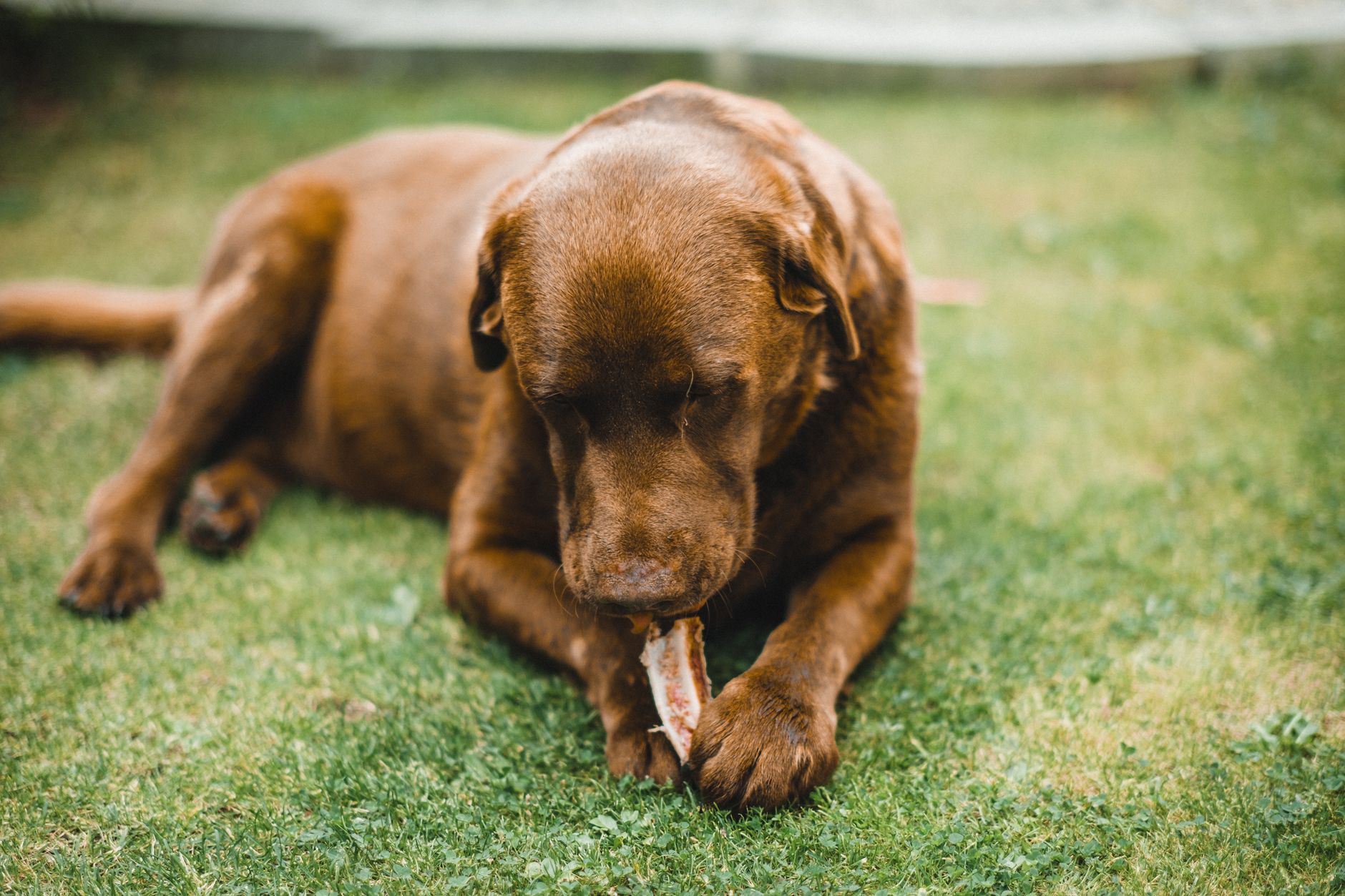
Can a Husky Eat a Turkey Bone? Unveiling the Dangers
No, a husky should absolutely NOT eat a turkey bone. Turkey bones, cooked or uncooked, pose significant health risks to huskies and other dogs, potentially leading to serious injury and even death.

Why Turkey Bones Are Dangerous for Huskies
The seemingly innocent act of tossing your husky a leftover turkey bone can have devastating consequences. Understanding the specific dangers is crucial for responsible pet ownership. Can a husky eat a turkey bone? The answer remains a resounding no, because of the inherent risks involved.
-
Splintering: Turkey bones, especially when cooked, become brittle and prone to splintering. These sharp splinters can cause:
- Perforations of the esophagus, stomach, or intestines.
- Internal bleeding.
- Severe pain and discomfort.
- Choking.
-
Obstruction: Even if the bone doesn’t splinter, it can still cause a blockage in your husky’s digestive tract. This can lead to:
- Vomiting and diarrhea.
- Loss of appetite.
- Lethargy.
- Potentially life-threatening complications requiring surgery.
-
Bacterial Contamination: Raw turkey bones can harbor harmful bacteria like Salmonella and Campylobacter, which can cause food poisoning in your husky and potentially spread to humans.
The Appeal of Bones to Huskies: Instinct vs. Safety

Huskies, like all dogs, have a natural instinct to chew on bones. This behavior stems from their ancestral wolf lineage and provides several benefits:
- Dental Health: Chewing helps to clean teeth and massage gums.
- Mental Stimulation: Chewing can relieve boredom and reduce anxiety.
- Jaw Exercise: Chewing strengthens jaw muscles.
However, the benefits of chewing on dangerous bones like turkey bones are far outweighed by the risks. There are safer alternatives to satisfy your husky’s chewing needs.
Safer Alternatives to Turkey Bones
Rather than giving your husky a turkey bone, consider these safer and healthier options:
- Dog-Specific Chews: These are specially designed to be safe for dogs and come in various flavors and textures. Look for reputable brands and avoid rawhide, which can also pose a choking hazard.
- Dental Chews: Designed specifically to promote dental health, these chews help remove plaque and tartar.
- Durable Rubber Toys: Choose toys made from durable, non-toxic rubber that can withstand heavy chewing. Fill them with treats or peanut butter for added entertainment.
- Vegetable Chews: Certain raw vegetables like carrots and celery can be safe and healthy chewing options, but always monitor your dog.
| Chew Type | Safety Level | Benefits | Considerations |
|---|---|---|---|
| Turkey Bone | HIGH RISK | None ( outweighed by dangers) | NEVER give to your husky. |
| Dog-Specific Chews | Generally Safe | Dental Health, Mental Stim. | Choose reputable brands; avoid rawhide. |
| Dental Chews | Safe | Dental Health | Monitor for allergic reactions. |
| Rubber Toys | Safe | Mental Stimulation, Jaw Ex. | Choose durable, non-toxic materials. |
| Vegetable Chews | Moderately Safe | Nutritional Value | Monitor for choking hazards; avoid toxic vegetables. |
What to Do If Your Husky Eats a Turkey Bone
Even with the best precautions, accidents can happen. If you suspect your husky has eaten a turkey bone, immediate action is crucial.
- Assess the Situation: Determine how much bone was ingested and if your husky is showing any immediate signs of distress, such as choking, gagging, or excessive drooling.
- Contact Your Veterinarian Immediately: Do not wait to see if symptoms develop. Early intervention can significantly improve the outcome. Explain the situation clearly and follow your veterinarian’s instructions.
- Monitor Your Husky Closely: Watch for signs of obstruction, such as vomiting, diarrhea, loss of appetite, lethargy, and abdominal pain. Even if your husky seems fine initially, these symptoms can develop hours or even days later.
- Follow Veterinary Advice: Your veterinarian may recommend inducing vomiting, administering fluids, or performing X-rays or surgery to remove the bone fragments. Follow their recommendations carefully.
Recognizing Symptoms of Bone Ingestion Complications
Knowing the signs of a problem can help you act quickly.
- Vomiting: Persistent or forceful vomiting, especially after eating, could indicate an obstruction.
- Diarrhea: Bloody or black, tarry stools can signal internal bleeding.
- Loss of Appetite: Refusal to eat or a sudden decrease in appetite is a concerning sign.
- Lethargy: Unusual tiredness or lack of energy.
- Abdominal Pain: A tense or painful abdomen when touched.
- Difficulty Defecating: Straining to defecate or passing small, hard stools.
- Coughing or Gagging: If the bone fragments are lodged in the esophagus.
Proactive Measures: Preventing Turkey Bone Consumption
Prevention is always better than cure. Here are some proactive steps you can take to protect your husky:
- Dispose of Turkey Bones Properly: Immediately after meals, dispose of turkey carcasses and bones in a secure, tightly sealed trash can that is inaccessible to your husky.
- Supervise Meal Times: Never leave turkey bones unattended within your husky’s reach.
- Educate Family and Guests: Inform family members and guests about the dangers of feeding turkey bones to your husky.
- Train Your Husky: Teach your husky a “leave it” command. This can be invaluable in preventing them from picking up bones or other potentially harmful objects.
Can a husky eat a turkey bone? Not even a little bit. The consequences are too severe.
Frequently Asked Questions (FAQs)
What if my husky only ate a small piece of turkey bone?
Even a small piece of turkey bone can be dangerous. Splintering is still a risk, and the bone can cause irritation or obstruction in the digestive tract. Monitor your husky closely for any signs of distress and consult with your veterinarian.
Are raw turkey bones safer than cooked turkey bones for huskies?
While raw bones are less likely to splinter, they still pose a risk of bacterial contamination (e.g., Salmonella). Furthermore, raw bones can still cause obstructions. It is best to avoid giving your husky any turkey bones, raw or cooked.
My husky has eaten turkey bones before and was fine. Is it okay to give them again?
Just because your husky has eaten turkey bones in the past without apparent ill effects does not mean it is safe. Each instance carries the risk of injury or illness. It is not worth the risk to your husky’s health.
What kind of bones are safe for huskies to chew on?
Certain specially prepared, dog-safe bones are available. These are typically made from compressed rawhide or other digestible materials and are designed to minimize the risk of splintering. However, always supervise your husky while they are chewing on any bone, even those marketed as “safe.”
How long after eating a turkey bone would symptoms appear in a husky?
Symptoms can appear within a few hours or up to several days after ingestion. This depends on the size of the bone fragment, the location of the blockage, and your husky’s individual digestive system. Watch closely for changes in behavior and appetite.
Can a husky’s stomach acid dissolve a turkey bone?
While stomach acid can break down some organic materials, it is unlikely to fully dissolve a turkey bone, especially a cooked one. The bone fragments can remain sharp and indigestible, posing a risk of perforation or obstruction.
What is the typical treatment for a husky who has ingested a turkey bone?
Treatment depends on the severity of the situation. Your veterinarian may induce vomiting to remove the bone, administer fluids to prevent dehydration, and prescribe pain medication. In severe cases, surgery may be necessary to remove bone fragments from the digestive tract.
How much does it typically cost to treat a husky who has eaten a turkey bone?
The cost of treatment can vary widely depending on the severity of the situation and the location. Veterinary bills can range from a few hundred dollars for basic treatment to several thousand dollars for surgery. Early intervention can help minimize costs.
Are certain breeds of dogs more susceptible to complications from eating turkey bones?
While all dogs are at risk from eating turkey bones, larger breeds like huskies may be able to ingest larger pieces, potentially leading to more severe obstructions. However, smaller breeds are still at risk of perforation from bone splinters.
Are there any home remedies I can try if my husky has eaten a turkey bone?
Do not attempt any home remedies without consulting your veterinarian. Some remedies, such as feeding your husky bread, may actually worsen the situation. Professional veterinary care is essential.
How can I train my husky to ignore dropped food or bones?
Teaching a strong “leave it” command is crucial. Start by rewarding your husky for ignoring a low-value item, then gradually increase the value of the item. Practice regularly and be consistent with your commands.
Is it ever okay to give my husky broth made from turkey bones?
While broth itself is generally safe, ensure it is completely free of bone fragments. Carefully strain the broth through a fine-mesh sieve to remove any small pieces of bone. Even then, consider using commercially prepared, bone-free broth for added safety.