

Can a Hermit Crab Habitat Be Too Humid? Understanding and Avoiding Humidity Issues
Yes, a hermit crab habitat can absolutely be too humid, creating an unhealthy environment that leads to bacterial and fungal growth, endangering your vulnerable shelled friends. Maintaining proper humidity is crucial for their survival and well-being.

The Vital Role of Humidity for Hermit Crabs
Hermit crabs are decapod crustaceans that depend on moisture for several vital processes. Unlike aquatic crabs, they breathe through modified gills that must remain moist to function effectively. They also need humidity for:
- Respiratory health: Moist gills allow for proper oxygen exchange.
- Exoskeleton maintenance: Humidity helps prevent the exoskeleton from drying out and cracking.
- Shell carrying: Proper humidity reduces the weight of the shell making it easier to carry.
Signs of Improper Humidity Levels
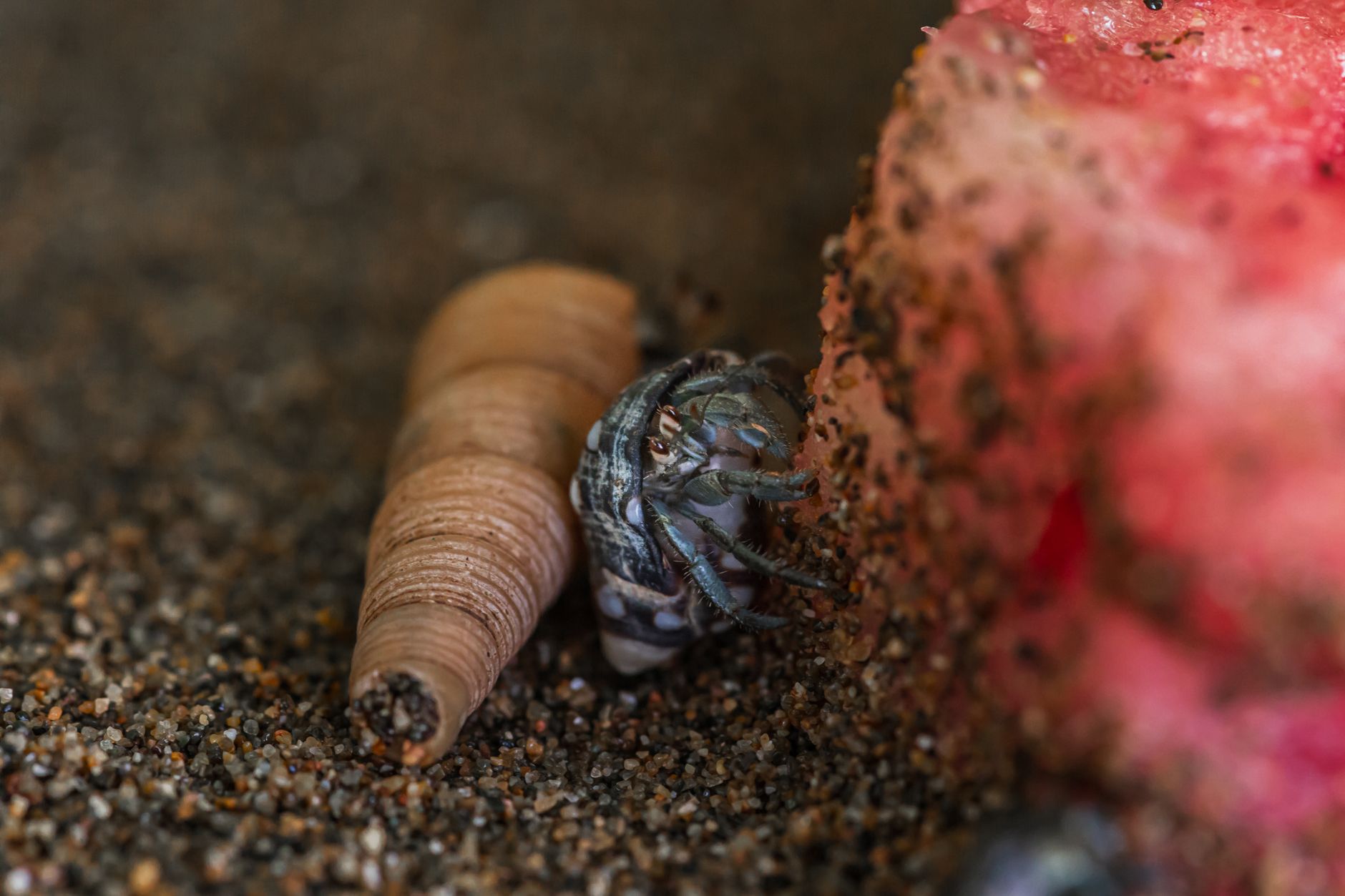
Knowing how to identify signs of improper humidity in your hermit crab habitat is essential for proactive care.
Signs of Too Little Humidity:
- Lethargy and inactivity.
- Difficulty breathing (gasping).
- Cracked exoskeleton.
- Reluctance to leave their shells.
- Dry substrate.
Signs of Too Much Humidity:
- Bacterial or fungal growth in the tank (white or colored mold).
- Lingering, unpleasant smells.
- Hermit crabs constantly staying above the substrate.
- Standing water or excessive condensation on the tank walls.
- Damp substrate.
Ideal Humidity Range and How to Maintain It
The ideal humidity range for a hermit crab habitat is between 70% and 80%. Maintaining this level is not difficult, but it requires careful monitoring and adjustments.
- Use a Hygrometer: A reliable hygrometer is essential for accurately measuring humidity levels.
- Provide a Large Water Source: A dechlorinated freshwater and saltwater pool in the enclosure are critical. The evaporation from these pools helps maintain humidity. The pools must be deep enough for the crab to submerge.
- Choose the Right Substrate: A mixture of coconut fiber (Eco Earth) and play sand is the standard and works well for retaining humidity.
- Consider a Lid: A lid (preferably glass or acrylic) helps trap moisture, but it should not be airtight. Some ventilation is necessary to prevent stagnant air and mold growth.
- Regular Misting: If humidity is low, misting the tank with dechlorinated water can help increase humidity. Be cautious not to over-saturate the substrate.
- Heating Elements: Heat lamps can dry out the tank quickly. Use them sparingly, and consider using an under-tank heater instead.
Controlling Excess Humidity
So, can a hermit crab habitat be too humid? Yes, and controlling excess humidity requires a different approach.
- Increase Ventilation: Improving airflow is the best way to reduce humidity. Open the lid slightly, or add small ventilation holes.
- Reduce Misting: Cut back on or eliminate misting if the tank is already too humid.
- Dry Out Substrate: Gently mix the substrate to allow moisture to evaporate. Avoid completely drying the substrate.
- Remove Standing Water: Standing water promotes fungal and bacterial growth. Ensure the substrate drains correctly.
- Use a Dehumidifier (Carefully): In extreme cases, a small dehumidifier placed near the tank can help, but be incredibly cautious. Monitor the humidity closely to avoid dropping it too low. Never place the dehumidifier inside the tank.
Common Mistakes to Avoid
- Over-Misting: Excessively misting leads to waterlogged substrate and fungal growth.
- Airtight Enclosures: Completely sealed tanks prevent airflow and trap excessive moisture.
- Ignoring Hygrometer Readings: Failing to monitor humidity levels regularly can lead to drastic fluctuations.
- Inadequate Substrate Depth: Insufficient substrate limits burrowing and contributes to low humidity if it dries out quickly.
- Using Untreated Water: Always use dechlorinated water to avoid harming your crabs.
Hermit Crab Humidity Table
| Humidity Level | Potential Problems | Solutions |
|---|---|---|
| Below 70% | Respiratory issues, cracked exoskeleton, lethargy | Increase misting, add a larger water source, ensure proper substrate depth |
| 70-80% | Ideal range – Healthy crabs, proper molting, active behavior | Maintain current practices, monitor regularly |
| Above 80% | Fungal growth, bacterial growth, stagnant air | Increase ventilation, reduce misting, dry out substrate, remove standing water, consider a dehumidifier |

Frequently Asked Questions (FAQs)
What happens if my hermit crab habitat is consistently too humid?
Consistently high humidity leads to bacterial and fungal growth, which can cause respiratory infections, exoskeleton problems, and even death. Additionally, it creates a stressful environment for the crabs.
How often should I mist my hermit crab tank?
The frequency of misting depends on the ambient humidity and the tank setup. Check the hygrometer daily. If the humidity is below 70%, mist lightly. If it’s above 80%, reduce or eliminate misting. Avoid misting directly onto the crabs.
Can I use tap water for my hermit crabs?
Never use tap water directly. Tap water contains chlorine and chloramine, which are toxic to hermit crabs. Always use dechlorinated water from a pet store or treat tap water with a dechlorinating solution.
What kind of substrate is best for maintaining proper humidity?
A mixture of coconut fiber (Eco Earth) and play sand is considered the best. The coconut fiber retains moisture, while the sand provides structural support for burrowing. Maintain a ratio of approximately 5 parts sand to 1 part coconut fiber.
How deep should the substrate be in my hermit crab tank?
The substrate depth should be at least 6 inches or three times the height of your largest crab, whichever is greater. This allows for burrowing and creates a stable environment. Proper substrate depth also helps maintain consistent humidity.
Is it safe to use a heat mat on the side of the tank?
It’s generally safer to use an under-tank heater placed on the side of the tank above the substrate level. Side placement ensures the substrate does not overheat. Heat mats placed directly underneath can cause dehydration and overheating.
My hermit crabs seem inactive. Is this due to humidity?
Inactivity can be caused by various factors, including improper humidity, temperature, stress, or pre-molt. Check the humidity and temperature first. Provide a quiet, dark space for molting.
How do I clean mold or fungus from my hermit crab tank?
Remove the affected substrate and clean the tank thoroughly with a diluted vinegar solution (1 part vinegar to 9 parts water). Ensure the tank is completely dry before replacing the substrate. Improve ventilation to prevent recurrence.
What’s the best way to measure humidity in a hermit crab tank?
Use a digital hygrometer specifically designed for reptile or terrarium use. Place the hygrometer inside the tank, away from water sources and heat sources, to get an accurate reading.
Can I use live plants in my hermit crab habitat?
Certain live plants are safe for hermit crab habitats, but research carefully. Ensure the plants are non-toxic and can tolerate high humidity. Provide adequate drainage to prevent root rot and fungal growth. Avoid pesticides or fertilizers.
How often should I change the substrate in my hermit crab tank?
Complete substrate changes should be avoided unless there’s a major contamination issue (mold, pests). Spot clean the substrate regularly, removing uneaten food and waste. A partial substrate change (removing the top layer) can be done every few months. Completely replacing the substrate removes beneficial bacteria that help maintain the ecosystem.
What are the signs of a respiratory infection in hermit crabs?
Signs of a respiratory infection include gasping for air, wheezing, lethargy, and a discharge around the mouth or gills. These symptoms are usually exacerbated by improper humidity and poor ventilation. Seek veterinary advice immediately if you suspect an infection.