

Can a Dog Go 12 Hours Without Water? The Hydration Question
Can a dog go 12 hours without water? Generally, a healthy adult dog can go approximately 10-12 hours without water, but this should not be a regular occurrence and depends on several factors including activity level, weather, and overall health.
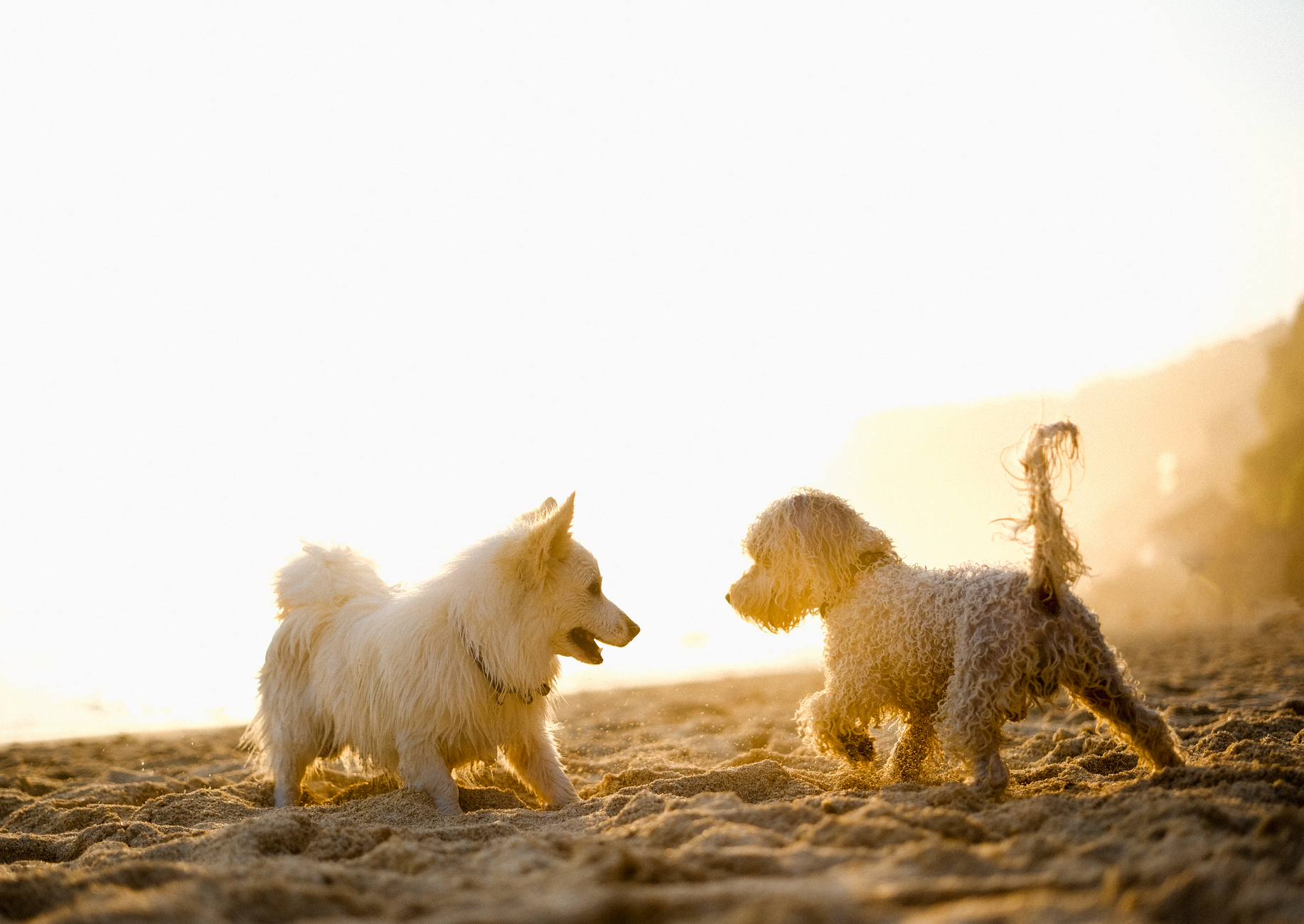
The Importance of Hydration for Dogs
Water is absolutely essential for life, and dogs are no exception. It makes up a significant portion of their body weight (around 60-70%) and plays crucial roles in numerous bodily functions. Without sufficient water intake, dogs can quickly become dehydrated, leading to serious health complications. Understanding your dog’s hydration needs is a key part of responsible pet ownership.
Roles of Water in a Dog’s Body

Water is involved in almost every bodily function of your dog:
- Temperature Regulation: Dogs rely on panting to cool down, and panting requires water.
- Digestion: Water aids in the breakdown and absorption of nutrients.
- Waste Removal: Water helps flush out toxins and waste products through urine and feces.
- Joint Lubrication: Water acts as a lubricant for joints, supporting mobility.
- Circulation: Water helps transport oxygen and nutrients throughout the body via the bloodstream.
Factors Affecting a Dog’s Water Needs
Several factors influence how much water a dog needs on a daily basis. These include:
- Size and Breed: Larger breeds generally require more water than smaller breeds. Some breeds are also more prone to dehydration due to physiological differences (e.g., brachycephalic breeds that have difficulty panting efficiently).
- Activity Level: Active dogs, especially those engaging in strenuous exercise, need significantly more water to replenish fluids lost through sweating and panting.
- Diet: Dogs eating dry kibble require more water than those eating wet food, as kibble has a very low moisture content.
- Weather Conditions: Hot weather increases water requirements to prevent overheating and dehydration.
- Health Conditions: Certain medical conditions, such as kidney disease, diabetes, and vomiting or diarrhea, can increase water loss and require increased water intake.
- Age: Puppies and senior dogs may have differing hydration needs. Puppies can dehydrate quickly, while some senior dogs may forget to drink enough.
Recognizing Dehydration in Dogs
Knowing the signs of dehydration is crucial for ensuring your dog’s well-being. Watch out for these symptoms:
- Excessive Panting: One of the first signs is increased panting, even when the dog is at rest.
- Dry Nose and Gums: The nose and gums should be moist. Dryness indicates potential dehydration.
- Sunken Eyes: Dehydration can cause the eyes to appear sunken.
- Loss of Skin Elasticity: Gently pinch the skin on the back of the neck. If it doesn’t snap back quickly, the dog may be dehydrated.
- Lethargy and Weakness: Dehydrated dogs may become lethargic and weak.
- Thick, Sticky Saliva: The saliva might become thick and sticky.
Preventing Dehydration
Preventing dehydration is always better than treating it. Here are some tips to keep your dog hydrated:
- Provide Fresh Water at All Times: Ensure your dog always has access to clean, fresh water.
- Carry Water on Walks: Bring a portable water bowl and water bottle on walks, especially during hot weather.
- Offer Wet Food: Consider supplementing your dog’s diet with wet food to increase their water intake.
- Use Water Fountains: Some dogs prefer drinking from circulating water fountains.
- Add Ice Cubes: Offer ice cubes as a refreshing treat, especially in hot weather.
- Monitor Water Intake: Pay attention to how much water your dog drinks daily and be aware of any changes.
What to Do If You Suspect Dehydration
If you suspect your dog is dehydrated, take action immediately:
- Offer Water: Encourage your dog to drink small amounts of water frequently. Don’t allow them to gulp down large amounts at once, as this can lead to vomiting.
- Provide Electrolyte Solutions: Pediatric electrolyte solutions (like unflavored Pedialyte) can help replenish lost electrolytes. Consult your veterinarian before administering any electrolyte solutions.
- Cool Down: Move your dog to a cool, shaded area to help them regulate their body temperature.
- Seek Veterinary Care: If your dog is severely dehydrated or showing other concerning symptoms, seek immediate veterinary attention.
Long-Term Consequences of Dehydration
Chronic dehydration, even if mild, can lead to serious health problems in dogs. It can contribute to kidney damage, urinary tract infections, and other systemic issues. Therefore, ensuring adequate hydration is a fundamental aspect of responsible pet ownership.
Can a Dog Go 12 Hours Without Water? A Balanced Perspective
While a healthy dog might tolerate going 12 hours without water, it’s not ideal and should not become a regular practice. Consider the factors discussed above—activity level, weather, diet, and health—when assessing your dog’s water needs. Prioritizing constant access to fresh water is the best way to safeguard your dog’s health and well-being. Err on the side of caution and make sure your dog is always adequately hydrated.
Summary
Can a dog go 12 hours without water? While a healthy adult dog can go approximately 10-12 hours without water, it’s not recommended as a regular practice and depends heavily on various factors like activity, weather, and health.

Frequently Asked Questions (FAQs)
How much water should my dog drink daily?
The general recommendation is about one ounce of water per pound of body weight per day. However, this is just a guideline, and individual needs can vary. Monitor your dog’s water intake and adjust accordingly based on their activity level, diet, and the weather. If your dog eats primarily wet food, they will naturally consume less water from their bowl.
Is it okay to give my dog ice water?
Yes, ice water is generally safe for dogs, especially on hot days. It can help cool them down and encourage them to drink more. Some dogs might be sensitive to very cold water, so watch for any signs of discomfort. Plain ice cubes are also a great way to provide added hydration.
Can dehydration cause kidney problems in dogs?
Yes, chronic dehydration can contribute to kidney problems in dogs. The kidneys need sufficient water to function properly and filter waste products effectively. Dehydration puts extra strain on the kidneys, which can lead to long-term damage and even kidney failure.
My dog refuses to drink enough water. What can I do?
If your dog isn’t drinking enough water, try these tips:
- Offer water in different bowls or locations.
- Add low-sodium chicken or beef broth to the water to make it more appealing.
- Try a pet water fountain.
- Offer wet food.
- Ensure the water is fresh and clean.
- If the problem persists, consult with your veterinarian to rule out any underlying medical conditions.
Is it dangerous if my puppy doesn’t drink for a few hours?
Puppies are more susceptible to dehydration than adult dogs. They have a higher metabolism and lose water more quickly. If your puppy hasn’t had water in a few hours, encourage them to drink and monitor them closely for signs of dehydration. If they refuse to drink or show signs of illness, contact your veterinarian immediately.
What are some signs of severe dehydration in dogs that require immediate veterinary attention?
Signs of severe dehydration requiring immediate veterinary attention include: extreme lethargy, unresponsiveness, collapse, rapid breathing, elevated heart rate, and severe dryness of the gums. These symptoms indicate a medical emergency.
How does dry food impact a dog’s water intake?
Dogs eating dry kibble require more water than those on wet food because dry food has a very low moisture content. The dog needs to compensate for this lack of moisture by drinking more water. Always ensure your dog has access to plenty of fresh water when feeding dry food.
Can certain medications affect a dog’s hydration levels?
Yes, some medications can affect a dog’s hydration levels. For instance, diuretics increase urination and can lead to dehydration if water intake isn’t increased accordingly. Talk to your veterinarian about any potential side effects of your dog’s medications and how to manage them.
What is the skin turgor test, and how does it help assess hydration?
The skin turgor test is a quick assessment of hydration status. Gently pinch the skin on the back of the neck and release. In a well-hydrated dog, the skin should snap back quickly. If the skin returns slowly, it indicates dehydration. This test is more reliable in younger dogs.
How often should I be cleaning my dog’s water bowl?
Clean your dog’s water bowl daily to prevent bacteria and algae growth. Rinse the bowl with soap and water and dry thoroughly. This will ensure your dog is drinking from a clean and healthy source.
Is it possible for a dog to drink too much water?
Yes, it is possible for a dog to drink too much water, a condition known as water intoxication. This can lead to an imbalance of electrolytes in the body and can be dangerous. Avoid letting your dog drink excessive amounts of water after strenuous exercise or if they are prone to gulping.
Can breed influence how likely dehydration is?
Yes, some breeds are more susceptible to dehydration than others. Brachycephalic breeds (e.g., Bulldogs, Pugs) often struggle to pant effectively, making them more prone to overheating and dehydration. Certain toy breeds can also be more vulnerable. Be extra cautious with these breeds, particularly in warm weather.