

Can a Bear Outrun a Dog? Fact vs. Fiction
In most scenarios, yes, a bear can absolutely outrun a dog. Size, strength, and surprising agility contribute to a bear’s significant advantage in speed over most dog breeds.
Introduction: The Thrill of the Chase (Or Avoiding It!)
The question of can a bear outrun a dog? isn’t just a theoretical exercise. It’s a crucial understanding for anyone who spends time in bear country, especially those with canine companions. Understanding the relative speeds and behaviors of bears and dogs can inform crucial safety precautions and help prevent potentially dangerous encounters. Many factors influence the outcome of such a chase, from the specific bear and dog breeds involved to the terrain and motivation driving each animal.
Bear Speed: More Than Just Size

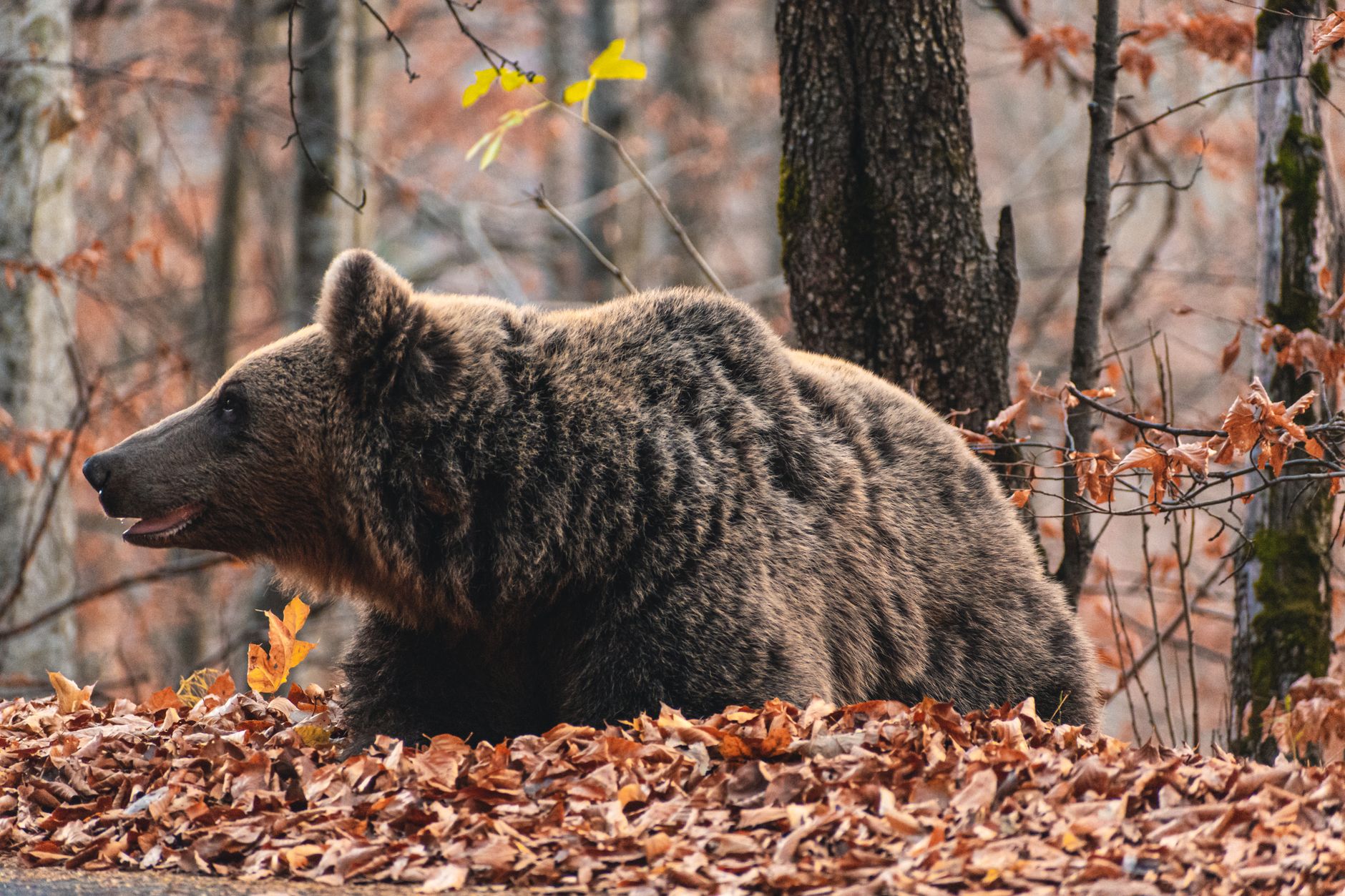
Bears are often perceived as lumbering and slow, but this is a misconception. In reality, bears are surprisingly fast and agile, particularly over short distances. Different bear species have varying top speeds.
- Grizzly bears are capable of reaching speeds of up to 35 miles per hour.
- Black bears can run even faster, sometimes exceeding 40 miles per hour.
- Even polar bears, despite their bulk, can achieve speeds of around 25 miles per hour.
This speed is driven by powerful muscles, efficient cardiovascular systems, and an ability to navigate diverse terrains. Their large paws provide excellent traction, allowing them to accelerate quickly.
Dog Speed: A Wide Range of Abilities
Unlike bears, dog breeds exhibit a much wider range of speeds. Small breeds, like Chihuahuas, are naturally slower than larger, athletic breeds.
- Greyhounds are the fastest dog breed, reaching speeds exceeding 45 miles per hour.
- German Shepherds can reach speeds of around 30 miles per hour.
- Labrador Retrievers are generally capable of speeds around 20-25 miles per hour.
However, endurance plays a significant role. While a Greyhound can achieve a high top speed, it may not be able to maintain that speed for long. Other breeds, like Huskies, are bred for endurance and can maintain a moderate speed over longer distances.
Terrain and Environment: A Deciding Factor
The terrain significantly impacts the outcome of a chase between a bear and a dog. A bear’s ability to navigate rough terrain, such as forests and steep hillsides, often surpasses that of many dog breeds.
| Terrain | Bear Advantage? | Dog Advantage? | Explanation |
|---|---|---|---|
| Dense Forest | Yes | No | Bears are adapted to maneuvering through dense vegetation, while many dogs may struggle. |
| Open Field | Depends | Depends | If the dog is a fast sprinter like a Greyhound, it might have an initial advantage. However, the bear’s power and endurance may eventually overcome this. |
| Uphill Slope | Yes | No | Bears have powerful legs and can climb hills with greater ease than many dogs. |
| Downhill Slope | Depends | Depends | Larger dogs with good agility might fare better downhill, but the bear’s momentum can also be a factor. |
| Water | Yes | Depends | Bears are strong swimmers. Certain dog breeds, like Labrador Retrievers, are also good swimmers, but others might struggle. |
| Snow and Ice | Yes | Depends | Bears have large paws that act as snowshoes. Dogs can slip and struggle in icy conditions, although breeds like Huskies are better adapted to snowy environments. |
Motivation and Behavior: Why Are They Running?
The motivation behind the chase also plays a crucial role. A bear chasing a dog may be acting defensively, protecting its cubs or food source. In contrast, a dog may be simply curious or playful, unaware of the danger. Similarly, a dog may be acting protectively towards its owner which creates a high energy dangerous scenario.
- Defensive Bears: A bear protecting its young or a food source is highly motivated and will likely pursue a dog relentlessly.
- Curious Dogs: A dog that innocently approaches a bear may provoke a chase without realizing the danger.
- Protective Dogs: A dog defending their owner may create a confrontation where the bear feels the need to respond.
Safety Precautions: Staying Safe in Bear Country
Understanding the dynamics of a potential bear-dog encounter is essential for safety.
- Keep Dogs on Leashes: This allows for better control and prevents dogs from wandering into potentially dangerous situations.
- Carry Bear Spray: Bear spray is an effective deterrent and should be readily accessible.
- Be Aware of Surroundings: Pay attention to signs of bear activity, such as tracks, scat, or disturbed vegetation.
- Avoid Hiking at Dawn and Dusk: Bears are often most active during these times.
- Make Noise: Alert bears to your presence by talking loudly or carrying a bell.
Conclusion: Knowledge is Power
The answer to the question, “Can a bear outrun a dog?” is complex and depends on various factors. While some dog breeds may have a momentary speed advantage, bears generally possess the strength, agility, and motivation to outrun most dogs, especially in their natural environment. Being prepared and informed, keeping dogs leashed, and carrying bear spray are the keys to safely navigating bear country.
Frequently Asked Questions (FAQs)
Can a bear outrun a car?
While a bear cannot sustain high speeds for extended periods, a bear can certainly outrun a car in off-road conditions. Cars are limited by terrain, while bears are agile in forests and mountains.
Are black bears faster than grizzly bears?
Generally, yes. Black bears are typically slightly faster than grizzly bears over short distances. Black bears can reach speeds of over 40 mph, while grizzlies max out around 35 mph.
What is the fastest dog breed, and could it outrun a bear?
The fastest dog breed is the Greyhound, capable of speeds exceeding 45 mph. However, even a Greyhound would struggle to outrun a motivated bear in most terrains. The Greyhound’s speed is best suited for flat, open tracks, not the varied landscapes bears inhabit.
How does elevation affect a bear’s speed?
At higher elevations, bears may experience a slight decrease in top speed due to thinner air. However, their overall agility and ability to navigate mountainous terrain remain superior to most dogs.
Does the size of the bear affect its speed?
Generally, larger bears tend to be slightly slower than smaller bears due to their increased mass. However, larger bears also possess greater strength and endurance, which can compensate for the slight speed difference.
What should I do if my dog encounters a bear?
The best course of action is to immediately restrain your dog and slowly back away. Use bear spray if the bear approaches aggressively. Avoid running, as this may trigger a chase response.
Are bear cubs faster than adult bears?
Bear cubs are generally not faster than adult bears. Although they are smaller, they lack the developed muscle mass and stamina of adult bears.
What role does scent play in a chase?
Scent plays a crucial role. Bears have an exceptional sense of smell, allowing them to track dogs (or potential prey) over long distances. Dogs also rely on scent, but their sense of smell is typically less acute than a bear’s.
Is it safer to hike with multiple dogs in bear country?
Not necessarily. While multiple dogs might provide a slight deterrent, they can also create a chaotic situation and potentially provoke a bear. It’s always best to keep dogs leashed and under control.
How far can a bear chase a dog?
A bear’s pursuit distance varies depending on its motivation and the terrain. A bear protecting its cubs may chase a dog for a considerable distance, while a bear simply curious about a dog might only chase it for a short while.
Can a bear climb a tree to catch a dog?
Yes, black bears are excellent climbers. They can climb trees to escape danger or to pursue prey, including dogs. Grizzly bears, due to their size and claw structure, are less adept at climbing but may still attempt to do so.
Does hibernation affect a bear’s speed when it first emerges?
Yes. After emerging from hibernation, bears are initially weaker and slower due to muscle atrophy and depleted energy reserves. However, they quickly regain their strength and speed as they feed and become more active.