
Can a Basset Hound Be Left Alone? Understanding Separation Anxiety and Management
Can a Basset Hound be left alone? While generally amiable, Basset Hounds are prone to separation anxiety, making extended periods of solitude potentially problematic. Careful planning, training, and environmental enrichment are crucial to ensure their well-being when left alone.

Introduction: The Social Basset Hound
Basset Hounds, with their droopy eyes and mournful bay, are beloved for their laid-back demeanor and affectionate nature. Originally bred as pack hunters, this breed thrives on companionship and is deeply social. This inherent need for connection often translates into a vulnerability to separation anxiety, raising the important question: Can a Basset Hound be left alone? Understanding this breed’s unique characteristics and implementing strategies to manage potential loneliness is key to responsible ownership.
Understanding Basset Hound Temperament
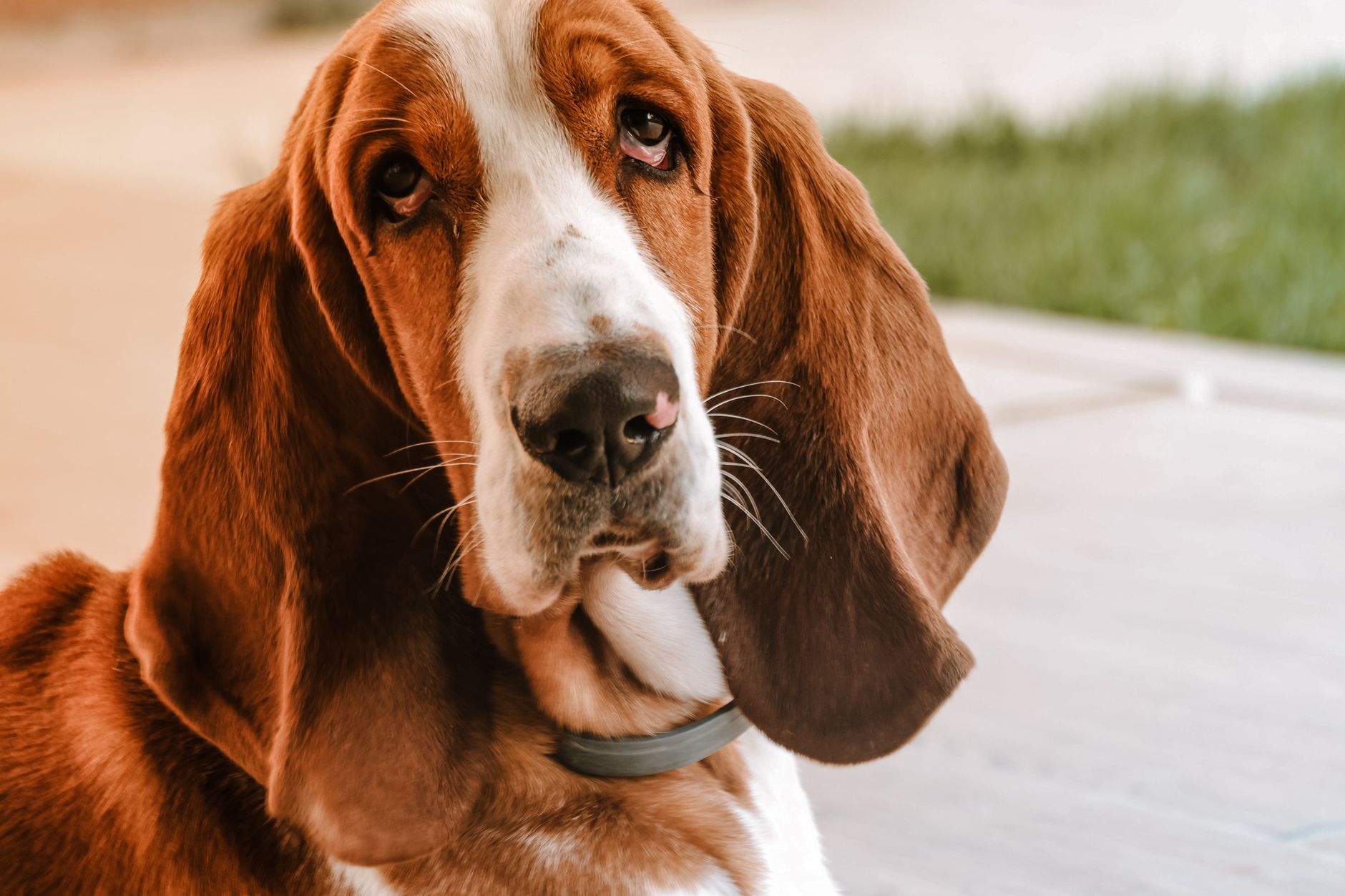
Basset Hounds possess a unique blend of traits that impact their tolerance for solitude. These include:
- Strong Pack Instincts: Bred to work in groups, Bassets crave social interaction.
- Sensitivity: They are highly attuned to their environment and the emotions of their owners.
- Stubbornness: While affectionate, their independent streak can make training challenging, particularly regarding separation anxiety.
- Laid-back nature: Can spend long periods sleeping when left alone, but need mental stimulation when awake.
Potential Problems of Leaving a Basset Hound Alone
Leaving a Basset Hound alone for extended periods without proper preparation can lead to several issues:
- Separation Anxiety: Manifests as excessive barking, destructive behavior (chewing furniture, scratching doors), inappropriate urination or defecation, and pacing.
- Boredom: Leads to destructive behavior as the dog seeks stimulation.
- Depression: Prolonged loneliness can result in lethargy, loss of appetite, and decreased overall well-being.
- Health Issues: Stress from separation anxiety can exacerbate existing health problems.
Strategies to Help Your Basset Hound Cope with Solitude
Successfully leaving a Basset Hound alone requires a proactive approach. These include:
- Gradual Desensitization: Start with short absences and gradually increase the duration.
- Positive Reinforcement Training: Reward calm behavior during absences.
- Creating a Safe and Comfortable Space: Designate a comfortable area with their bed, toys, and water. Consider a crate if properly introduced and the dog views it as a safe haven.
- Environmental Enrichment: Provide puzzle toys, interactive games, and durable chew toys to keep them mentally stimulated. Rotate toys regularly to maintain interest.
- Exercise: Ensure ample physical activity before leaving to tire them out. A long walk or play session can significantly reduce anxiety.
- Consider a Companion: If feasible, another dog (or even a cat) can provide companionship and reduce loneliness.
A Comparison of Basset Hound Solitude Tolerance by Age
| Age | Solitude Tolerance | Rationale | Management Strategies |
|---|---|---|---|
| Puppy (0-6 Months) | Very Low | High dependency, underdeveloped bladder control, prone to separation anxiety. | Avoid leaving alone for extended periods. Crate training, frequent potty breaks, lots of stimulation. |
| Young Adult (6-24 Months) | Moderate | Developing independence, but still requires significant attention and stimulation. | Gradual desensitization, consistent routine, plenty of exercise, puzzle toys. |
| Adult (2-7 Years) | Moderate to High | More self-sufficient, but individual personalities vary greatly. | Maintain routine, provide enrichment, monitor for signs of anxiety, consider a dog walker or pet sitter. |
| Senior (7+ Years) | Moderate to Low | Potential for increased anxiety due to age-related cognitive decline or health issues. | Shorter absences, comfortable and familiar environment, monitor closely for distress, adjust routine as needed. |
Knowing When to Seek Professional Help
If your Basset Hound exhibits severe separation anxiety despite your best efforts, consult with a veterinarian or a certified professional dog trainer or behaviorist. They can help identify underlying causes and develop a tailored treatment plan that may include medication or specialized behavior modification techniques. Ignoring severe anxiety can lead to long-term emotional and physical problems for your Basset Hound.
Frequently Asked Questions About Leaving Basset Hounds Alone
Can a Basset Hound be left alone for 8 hours?
While some adult Basset Hounds can tolerate being alone for 8 hours, it is not ideal and depends heavily on the individual dog’s temperament, training, and environment. Ensure ample exercise, mental stimulation, and access to food and water before leaving. Monitor for signs of stress or anxiety.
What are the signs of separation anxiety in Basset Hounds?
Signs include excessive barking or howling, destructive behavior (chewing, scratching), inappropriate urination or defecation, pacing, excessive drooling, and attempts to escape. These behaviors often occur shortly before or after the owner leaves.
Is crate training helpful for Basset Hounds left alone?
Crate training can be beneficial if introduced correctly and the dog perceives the crate as a safe haven. Never use the crate as punishment. A crate can provide a sense of security and prevent destructive behavior, but it must be a positive experience for the dog.
How much exercise does a Basset Hound need before being left alone?
Basset Hounds require a moderate amount of exercise. A 30-60 minute walk or play session before being left alone can help tire them out and reduce anxiety. However, avoid strenuous exercise immediately before leaving, as this can cause stress.
What kind of toys are best for Basset Hounds left alone?
Puzzle toys that dispense treats, durable chew toys (like Kongs), and toys that encourage mental stimulation are excellent choices. Rotate the toys regularly to keep them interesting. Avoid toys with small parts that could be ingested.
Should I leave the TV or radio on for my Basset Hound?
Some Basset Hounds find the sound of human voices comforting, while others are indifferent. Experiment to see if it helps alleviate anxiety. Low-volume classical music or nature sounds can also be soothing.
Is it cruel to leave a Basset Hound alone?
Whether it’s cruel depends on how long, how often, and under what conditions the Basset Hound is left alone. With proper preparation, training, and enrichment, leaving them alone for reasonable periods is acceptable. Neglecting their needs and leaving them isolated for extended periods is unfair and potentially harmful.
Can another dog help with separation anxiety in Basset Hounds?
Yes, another dog can often provide companionship and reduce loneliness, but it’s not a guaranteed solution. Ensure the dogs have compatible temperaments and that the new dog receives proper training and socialization. Sometimes, a cat companion can also work if the Basset is used to it.
What if my Basset Hound still destroys things when left alone, even with toys?
This could indicate severe separation anxiety. Consult a veterinarian or certified dog behaviorist for a professional assessment. They may recommend medication or specialized behavior modification techniques.
How do I start gradual desensitization training for my Basset Hound?
Begin by leaving the dog alone for very short periods (e.g., a few seconds) and gradually increase the duration as they become more comfortable. Reward calm behavior upon your return. Avoid making a big fuss when leaving or returning.
Are Basset Hounds prone to barking when left alone?
Yes, excessive barking is a common sign of separation anxiety in Basset Hounds, due to their pack nature and tendency to bay. Training and enrichment are important factors.
Should I get a pet sitter or dog walker if I have to leave my Basset Hound alone regularly?
Hiring a pet sitter or dog walker can be a great solution if you frequently need to leave your Basset Hound alone for extended periods. These professionals can provide exercise, companionship, and mental stimulation, reducing the risk of separation anxiety and boredom.