

Can a Badger Fight a Dog? A Clash of Nature’s Tenacity
The question “Can a badger fight a dog?” is a serious one: Yes, a badger can absolutely fight a dog, and in many cases, inflict serious and potentially fatal injuries. Their powerful claws, strong jaws, and tenacious nature make them formidable opponents, particularly when defending their territory or young.

Introduction: A Gritty Encounter
The natural world is filled with complex relationships, sometimes fraught with danger and conflict. One such potentially volatile encounter involves the badger and the dog. While seemingly different, these two animals can find themselves in direct confrontation, and the results can be surprising. Understanding the capabilities and motivations of both animals is crucial for appreciating the dynamics of these clashes. Can a badger fight a dog? is a question that demands careful consideration of their respective strengths and weaknesses.
Understanding the Badger: A Force to Be Reckoned With
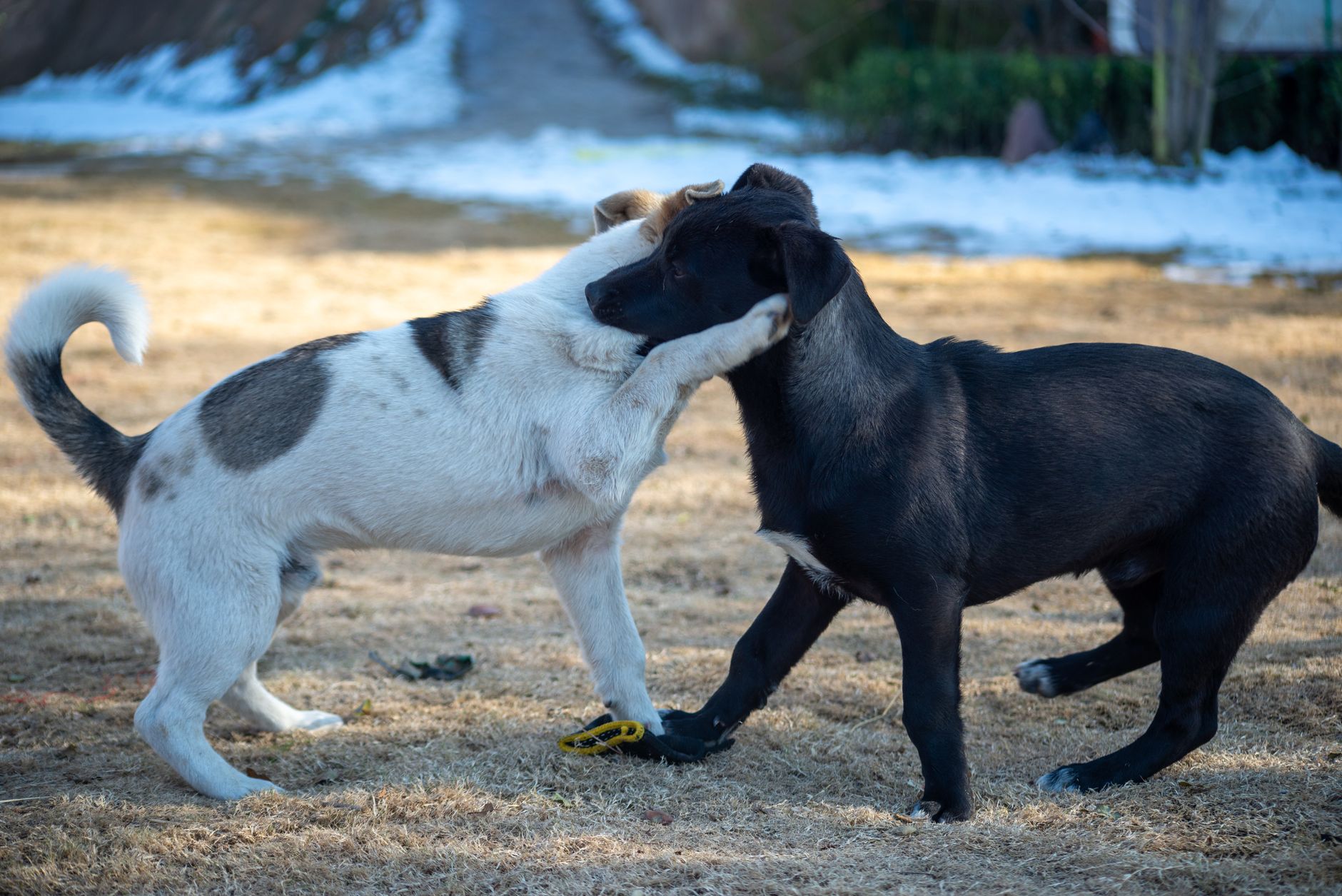
The American badger (Taxidea taxus) and the European badger (Meles meles) are powerfully built animals adapted for digging and defense. Their physical attributes contribute significantly to their ability to hold their own against larger predators, including dogs.
- Physical Prowess: Badgers possess a low-slung, muscular body, thick skin, and strong claws designed for excavation. These claws can also be used to devastating effect in a fight.
- Defensive Adaptations: Their loose skin allows them to twist and turn within their burrows, making it difficult for predators to get a solid grip.
- Aggressive Nature: While not always aggressive, badgers are fiercely protective of their territory and young, and will not hesitate to defend themselves.
The Canine Competitor: A Diverse Spectrum
Dogs, on the other hand, are a highly diverse group, ranging from small terriers to large mastiffs. Their fighting ability varies greatly depending on breed, size, and temperament.
- Breed Matters: Certain breeds, such as terriers, were historically bred to hunt badgers and possess the instinct and tenacity for such encounters. However, even these breeds can be outmatched.
- Size and Strength: Larger dogs obviously have a size advantage, but a badger’s ferocity and low profile can negate this advantage to some extent.
- Training and Temperament: A dog’s training and overall temperament also play a crucial role in how it reacts to a badger.
Factors Influencing the Outcome: Weighing the Odds
Several factors can influence the outcome of a confrontation between a badger and a dog. It’s rarely a guaranteed victory for either side.
- Location: If the badger is near its burrow, it has a significant advantage. It can use the burrow for defense and retreat.
- Surprise: If the dog surprises the badger, the badger may be caught off guard.
- Numbers: Multiple dogs have a higher chance of overwhelming a badger.
- Experience: An experienced badger, especially an older one, is more likely to win against a less experienced dog.
The Harsh Reality: Potential Injuries and Fatalities
The potential consequences of a badger vs. dog fight are severe. Both animals can suffer serious injuries.
- Badger Injuries: Dogs can inflict puncture wounds, lacerations, and broken bones on badgers.
- Dog Injuries: Badgers can deliver deep bites and claw wounds to dogs, leading to infections, blood loss, and even death. Eye injuries are also common.
- Disease Transmission: Both animals can transmit diseases to each other through bites and scratches.
Prevention: Avoiding the Conflict
The best approach is to prevent these encounters from happening in the first place.

- Keep dogs leashed: When walking in areas known to be inhabited by badgers, keep your dog on a leash.
- Be aware of surroundings: Pay attention to signs of badger activity, such as burrows and tracks.
- Train recall: Ensure your dog has a reliable recall command so you can call it back if it approaches a badger.
Table: Comparing Badger and Dog Combat Attributes
| Feature | Badger | Dog |
|---|---|---|
| Size | Medium (15-30 lbs) | Varies Greatly (5-200+ lbs) |
| Claws | Long, Strong, Designed for Digging/Fighting | Varies by Breed, Generally Sharp |
| Bite Force | Powerful | Varies by Breed, Can Be Significant |
| Tenacity | Extremely High | Varies by Breed, Often High |
| Defensive Ability | Excellent (Loose Skin, Burrow Defense) | Varies by Breed, Can Be Highly Trained |
Frequently Asked Questions (FAQs)
What makes a badger such a formidable fighter?
Badgers possess a combination of physical attributes that make them excellent fighters. Their strong claws, powerful jaws, thick skin, and low profile make them difficult to injure and capable of inflicting serious damage. Furthermore, their tenacity and willingness to defend their territory make them a challenging opponent for any dog.
Are certain dog breeds more likely to win against a badger?
While some breeds, particularly terriers bred for badger hunting, may have a higher drive to engage with badgers, they are not necessarily guaranteed to win. A larger, more powerful dog may have a better chance due to its size advantage, but the badger’s ferocity and defensive capabilities should not be underestimated.
What should I do if my dog encounters a badger?
The most important thing is to remain calm and attempt to recall your dog immediately. If your dog is already engaged in a fight, try to distract the badger with loud noises or by throwing something nearby. Do not attempt to physically separate the animals, as you risk injury. Seek veterinary attention for your dog as soon as possible, even if the injuries appear minor.
Can a badger kill a dog?
Yes, a badger is certainly capable of killing a dog. Deep bites and claw wounds can cause severe blood loss, infection, and internal injuries. Smaller dogs are particularly vulnerable, but even larger dogs can succumb to the badger’s attacks.
Is it legal for a dog to hunt badgers?
The legality of hunting badgers with dogs varies depending on location. In some areas, it may be legal with the proper permits and licenses. However, in many regions, it is illegal due to concerns about animal welfare and the protection of badger populations. Always check local laws and regulations before engaging in any type of hunting activity.
What time of year are badger and dog encounters most likely to happen?
Encounters are more likely during the spring and summer months, when badgers are more active and have young to protect. Dogs are also more likely to be off-leash during these times, increasing the chances of an encounter.
How do I protect my property from badgers?
To protect your property, you can install fencing around gardens and other vulnerable areas. Bury the fence at least 12 inches deep to prevent badgers from digging underneath. You can also use motion-activated lights and noise deterrents to discourage badgers from entering your property.
What diseases can badgers transmit to dogs?
Badgers can transmit several diseases to dogs, including rabies, bovine tuberculosis (TB), and parasites. Rabies is a fatal viral disease that affects the nervous system. Bovine TB is a bacterial infection that can cause respiratory problems. Parasites, such as fleas and ticks, can also transmit diseases.
Are badgers more aggressive during mating season?
Badgers can become more territorial and aggressive during the mating season, which typically occurs in the spring. They are more likely to defend their territory against intruders, including dogs.
What is the best way to treat a dog bite from a badger?
If your dog is bitten by a badger, seek veterinary attention immediately. The veterinarian will clean and disinfect the wound, administer antibiotics to prevent infection, and assess the need for a rabies vaccination booster.
Do badgers always initiate fights with dogs?
No, badgers do not always initiate fights with dogs. In many cases, the dog may be the aggressor, either out of curiosity or predatory instinct. However, a badger will fiercely defend itself if it feels threatened.
Can a badger be trained to be friendly towards dogs?
While it is theoretically possible to train a badger to tolerate dogs, it is highly discouraged. Badgers are wild animals with strong instincts, and their behavior can be unpredictable. It is best to keep badgers and dogs separate to avoid any potential conflicts. The question “Can a badger fight a dog?” is best answered by simply avoiding any potential confrontation from happening in the first place.