

Are Indoor Cats Happier in Pairs? Unveiling the Feline Friendship Factor
Are indoor cats happier in pairs? The answer is often, yes: indoor cats frequently thrive in pairs, enjoying enriched lives and reduced stress thanks to companionship, though careful introduction and consideration of individual personalities are crucial for success.
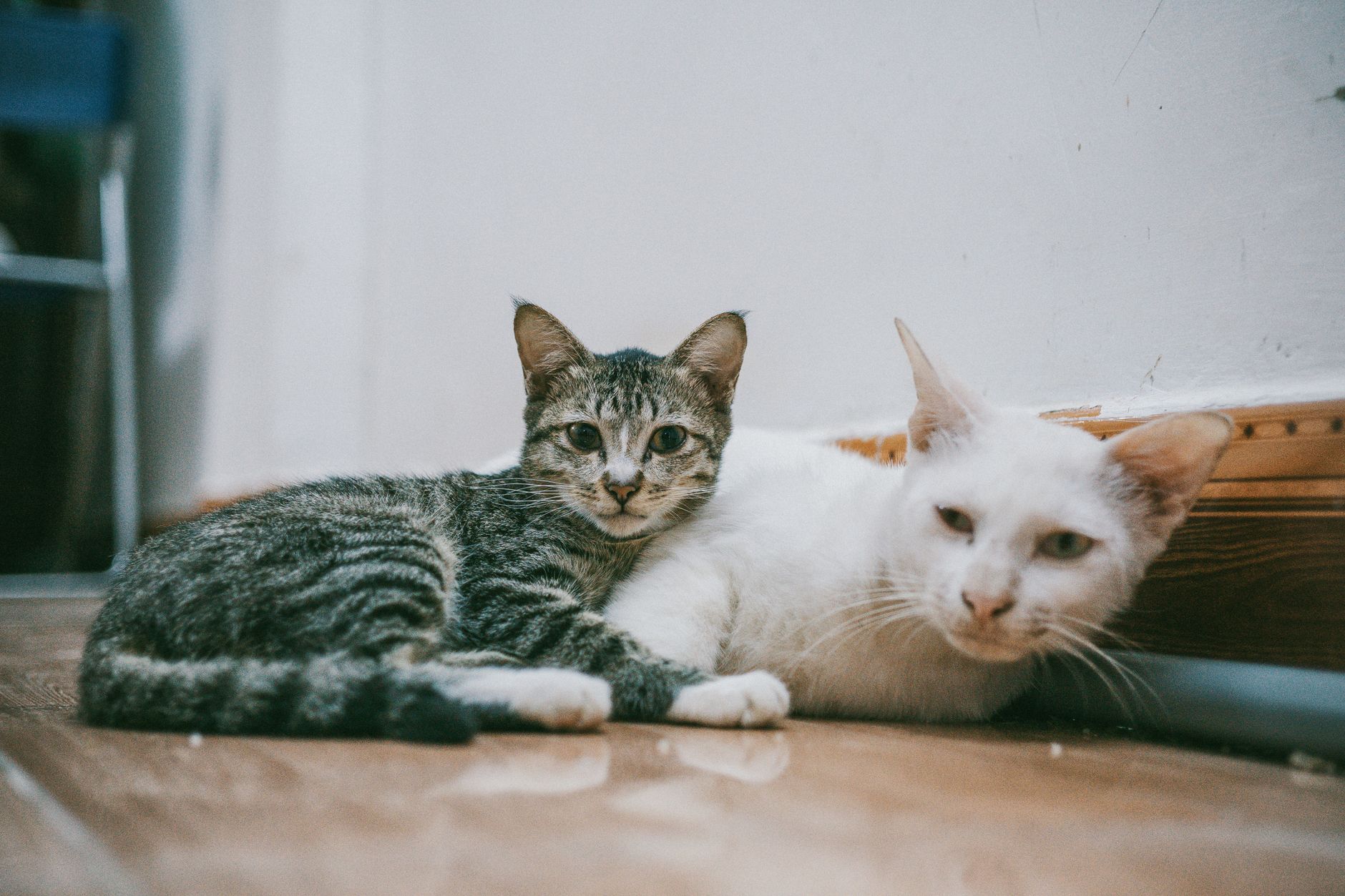
The Lonely Life of the Single Indoor Cat
Confined to the indoors, a single cat can experience boredom, loneliness, and a lack of stimulation. While dedicated owners strive to provide ample playtime and attention, they can’t always replicate the nuanced interactions and social benefits that another cat can offer. The life of a solitary indoor cat can be a far cry from their natural instincts.
Benefits of Cat Companionship

Introducing a compatible feline friend can significantly enhance an indoor cat’s well-being. The potential benefits are numerous:
- Reduced Boredom: Cats in pairs engage in play, chasing, and grooming, filling their days with activities that mimic their natural hunting and social behaviors.
- Decreased Anxiety and Stress: A feline companion can provide security and comfort, particularly when the owner is away. This can lead to a reduction in stress-related behaviors, such as excessive grooming or destructive scratching.
- Enhanced Socialization: Living with another cat helps maintain and develop social skills, preventing potential behavioral problems arising from isolation.
- Improved Physical Health: Increased activity levels through play and interaction contribute to better physical fitness and reduced risk of obesity.
The Importance of Compatibility
While the potential benefits of pairing indoor cats are considerable, success hinges on careful selection and introduction. Not all cats are destined to be friends. Factors to consider include:
- Age: Kittens often adapt more readily to new companions than older cats. Introducing a kitten to an older cat can work well, but the kitten’s energy levels might overwhelm a senior feline. Pairing cats of similar age and energy level is usually a safe bet.
- Personality: Observing potential pairings for signs of aggression or fear is crucial. A shy, timid cat may not thrive with a boisterous, dominant one.
- Sex: While generalizations are risky, opposite-sex pairings often work well, particularly if one or both cats are neutered or spayed. Same-sex pairings can also be successful, depending on individual personalities.
The Gradual Introduction Process
Introducing cats too quickly can lead to territorial disputes and lasting animosity. A slow, gradual approach is key to a harmonious relationship.
- Separate Spaces: Initially, keep the cats in separate areas of the house, allowing them to acclimate to each other’s scent under the door.
- Scent Swapping: Exchange bedding or toys between the cats’ spaces to familiarize them with each other’s scent.
- Visual Contact: Introduce supervised visual contact through a barrier, such as a screen door or partially opened door. Observe their reactions.
- Short Supervised Visits: Allow short, supervised visits in a neutral space. Monitor their behavior closely and separate them if aggression occurs.
- Gradually Increase Time Together: As the cats become more comfortable, gradually increase the duration of their time together.
- Provide Multiple Resources: Ensure ample food bowls, water dishes, litter boxes, scratching posts, and perches to minimize competition and territoriality.
Common Mistakes to Avoid
Several common pitfalls can undermine the success of introducing cats:
- Forcing Interaction: Never force cats to interact or punish them for displaying aggression. This will only increase their stress and anxiety.
- Insufficient Resources: Failing to provide enough resources can lead to territorial disputes and competition.
- Ignoring Warning Signs: Ignoring signs of stress or aggression can allow problems to escalate.
- Rushing the Process: A slow, gradual introduction is essential for a harmonious relationship.
- Not Considering Individual Personalities: Every cat is an individual, and their personality should be a primary consideration when selecting a companion.
Using Feliway to Ease the Transition
Feliway diffusers release synthetic feline facial pheromones, which can help reduce stress and create a calming environment. Using Feliway in the weeks leading up to and during the introduction process can significantly improve the chances of success. These pheromones mimic the natural scents cats use to mark their territory as safe and secure, helping both cats feel more relaxed.
Choosing the Right Companion: Shelters as Matchmakers
Many animal shelters specialize in matching cats based on their personalities and energy levels. Shelter staff can observe interactions between cats and provide valuable insights to help you choose a compatible companion for your current feline friend. This personalized approach dramatically increases the likelihood of a successful pairing.
Monitoring Behavior After Introduction
Even after a successful introduction, it’s crucial to continue monitoring the cats’ behavior for signs of stress or aggression. Early intervention can prevent minor issues from escalating into major problems. Look for changes in appetite, litter box habits, or social interactions. Promptly address any concerns with your veterinarian or a certified feline behaviorist.
Frequently Asked Questions (FAQs)
What if my cat refuses to accept a new companion?
Even with a careful introduction, some cats simply don’t want a companion. It’s crucial to respect your cat’s preferences. Forcing a relationship will only cause stress and unhappiness for both cats. If your cat continues to show signs of aggression or distress after several weeks of gradual introduction, it may be best to keep them as a single cat. Focus on enriching their environment and providing ample attention.
How do I know if my cats are truly friends or just tolerating each other?
Genuine friendship is characterized by mutual grooming, playing together, sleeping close to each other, and relaxed body language. Cats who are merely tolerating each other may avoid interaction, maintain distance, or exhibit subtle signs of tension such as flattened ears or a twitching tail.
Is it cruel to keep a cat as a single indoor cat?
Not necessarily. Some cats thrive as single indoor pets, particularly if their owners provide ample attention, playtime, and environmental enrichment. However, it’s important to be aware of the potential for loneliness and boredom and to actively address these needs. Are indoor cats happier in pairs? While not a universal truth, many are, and considering a companion can dramatically improve their well-being.
How much does it cost to care for two cats instead of one?
The cost of caring for two cats is generally higher than for one. You’ll need to factor in additional expenses for food, litter, veterinary care, and toys. However, the increase may not be double the cost, as some items, such as scratching posts and cat trees, can be shared.
Should I get two kittens instead of one?
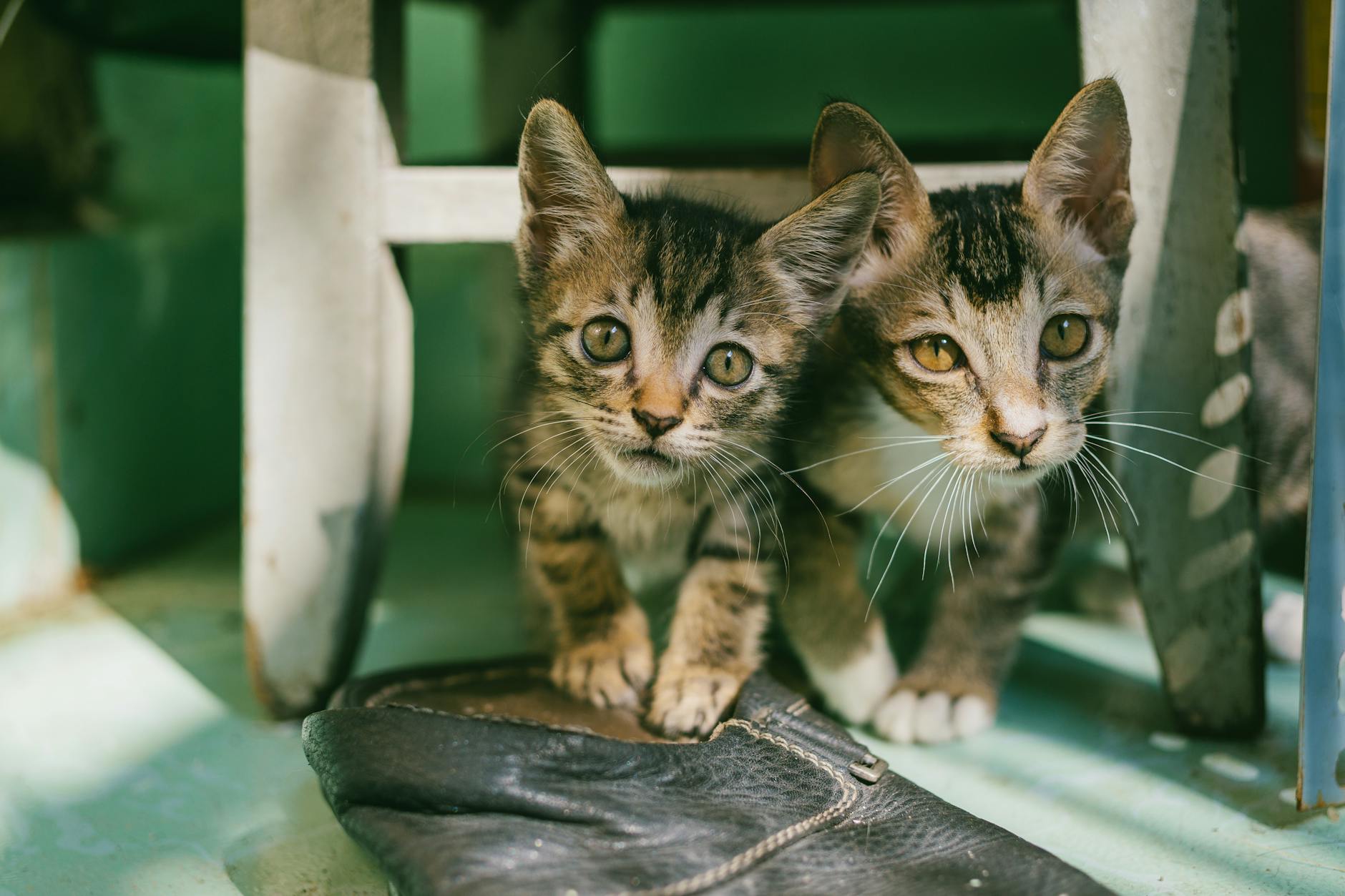
Getting two kittens can be a great way to ensure they have a built-in playmate and social companion. Kittens often bond quickly and easily, and raising them together can be less demanding than introducing a new adult cat to an existing one. However, be prepared for the increased energy and activity levels that come with two kittens.
What is redirected aggression, and how can I prevent it?
Redirected aggression occurs when a cat becomes agitated by something (e.g., seeing another cat outside the window) and then directs its aggression towards another cat in the household. To prevent it, identify and eliminate triggers, provide plenty of escape routes, and use pheromone diffusers to reduce overall stress.
How often should I clean the litter boxes when I have two cats?
With two cats, you should clean the litter boxes at least twice a day, or even more frequently if possible. The general rule is to have one more litter box than the number of cats. Keeping the litter boxes clean is essential for preventing litter box avoidance and maintaining good hygiene.
How can I tell if my cats are fighting or just playing?
Playful fighting typically involves chasing, wrestling, and batting with claws sheathed. True fighting involves hissing, growling, flattened ears, piloerection (raised fur), and biting with claws extended. Separate fighting cats immediately to prevent injury.
What if one cat bullies the other?
Bullying behavior can include blocking access to resources, chasing, and intimidation. To address bullying, ensure ample resources are available, provide vertical spaces for the bullied cat to escape, and consider separating the cats during feeding times. Consulting with a feline behaviorist may be necessary.
Can I introduce a dog and a cat instead of two cats?
Introducing a dog and a cat can be successful, but it requires careful consideration of the dog’s temperament and breed. Some dog breeds are more likely to chase and harass cats than others. A slow, gradual introduction is crucial, and the cat should always have access to safe escape routes.
What are some signs that my cat is stressed?
Signs of stress in cats can include changes in appetite, litter box habits (e.g., urinating outside the box), excessive grooming, hiding, aggression, and vocalization. If you notice any of these signs, consult with your veterinarian to rule out underlying medical conditions and discuss strategies for reducing stress.
How long does it usually take for cats to become friends?
The time it takes for cats to become friends varies widely. Some cats may bond within a few days, while others may take several weeks or even months to fully accept each other. Patience and a gradual introduction process are key. Are indoor cats happier in pairs? Many are, and while the journey to friendship can vary, the potential benefits make it worthwhile.