

Are Hedgehogs Good for the Environment? A Deep Dive
The question of whether hedgehogs are good for the environment is a nuanced one; generally, the answer is yes, but their impact is complex and depends heavily on their population size and the specific ecosystem they inhabit. Overall, they can contribute significantly to pest control and soil health.
Introduction: The Prickly Benefactors
Hedgehogs, those charming, spiny mammals, have long captured our imaginations. Beyond their endearing appearance, however, lies a more complex role within our ecosystems. Understanding are hedgehogs good for the environment? requires looking at their diet, habitat, and interactions with other species. Once abundant, hedgehog populations are now facing challenges across Europe, leading to increased interest in their conservation and ecological impact. This article aims to delve deep into the positive and potentially negative effects hedgehogs have on the world around them.
The Hedgehog’s Role as a Natural Pest Controller

One of the primary ways hedgehogs benefit the environment is through their voracious appetite for garden pests. They are natural pest controllers, feasting on a wide range of invertebrates that can damage crops and gardens.
- Slugs
- Snails
- Beetles
- Caterpillars
- Earwigs
- Leatherjackets
This natural predation helps reduce the need for chemical pesticides, which can have detrimental effects on soil health, beneficial insects, and other wildlife. By keeping pest populations in check, hedgehogs contribute to a healthier and more balanced ecosystem.
Hedgehogs and Soil Health: A Positive Connection
Hedgehogs indirectly contribute to soil health through their feeding habits. By consuming snails and slugs, they prevent these pests from damaging young plants and seedlings. Healthier plant growth leads to improved soil structure and nutrient cycling. Furthermore, hedgehog droppings act as a natural fertilizer, adding valuable nutrients back into the soil.
Habitat and Range: Where Do Hedgehogs Thrive?
European hedgehogs (Erinaceus europaeus) are native to Europe and parts of Asia. They prefer habitats with a mix of grasslands, woodlands, and hedgerows. Gardens and urban areas can also provide suitable habitat, particularly where there is access to food, shelter, and water. However, fragmentation of habitats due to development and intensive agriculture poses a significant threat to their populations. Providing hedgehog-friendly gardens with undisturbed areas for nesting and foraging is crucial for their survival.
Potential Negative Impacts: A Balanced Perspective
While hedgehogs are generally beneficial, it’s important to acknowledge potential negative impacts, especially when population densities are high. In some cases, they may prey on ground-nesting birds or their eggs, although this is relatively rare. They can also be susceptible to certain diseases and parasites, which they can potentially transmit to other animals. Furthermore, they are vulnerable to road traffic accidents, which contribute significantly to their mortality rates.
Conservation Efforts: Helping Hedgehogs Help the Environment
Given the declining hedgehog populations and their importance as natural pest controllers, various conservation efforts are underway to protect them. These include:
- Creating hedgehog highways: small gaps in fences to allow hedgehogs to move freely between gardens.
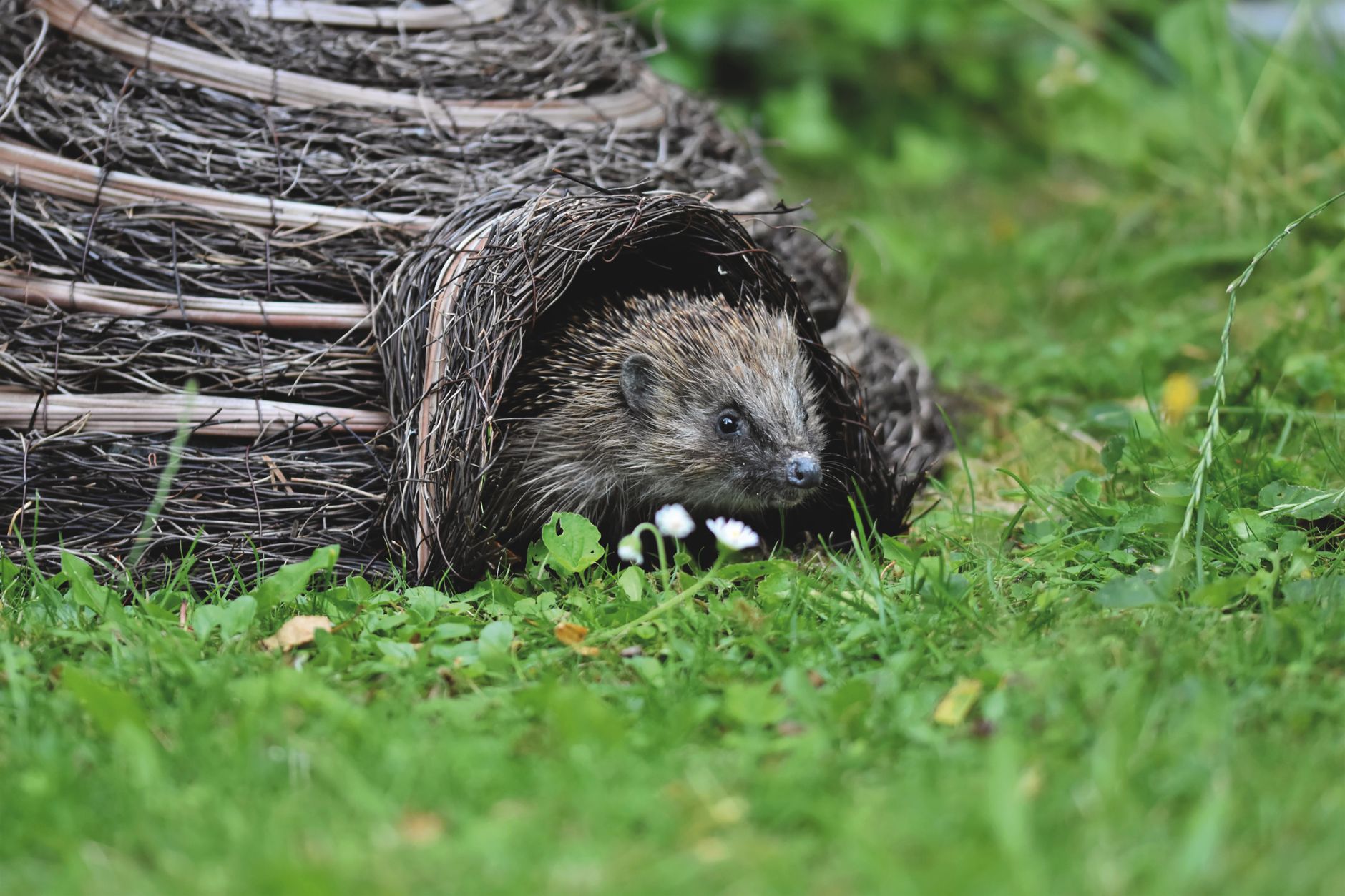
- Providing hedgehog houses: artificial shelters where hedgehogs can nest and hibernate.
- Avoiding the use of pesticides: to protect hedgehogs from poisoning and ensure a healthy food supply.
- Raising awareness: educating the public about the importance of hedgehog conservation.
Understanding the Complexities: Are hedgehogs good for the environment?
Ultimately, the question of are hedgehogs good for the environment? is answered with a resounding yes, though with caveats. Their role as natural pest controllers, indirect contribution to soil health, and overall place in the ecosystem make them a valuable asset. However, their populations are under threat, and their potential negative impacts must be considered. By supporting hedgehog conservation efforts, we can help these prickly creatures thrive and continue to benefit the environment.
How to Help Hedgehogs
Here is a table of actions and their impact:
| Action | Impact |
|---|---|
| Creating hedgehog highways | Allows free movement, access to more food & mates |
| Providing hedgehog houses | Safe nesting and hibernation space |
| Avoiding pesticides | Protects from poisoning, preserves food supply |
| Leaving out water (especially dry weather) | Prevents dehydration, crucial during hot periods |
| Leaving out suitable food | Supplements diet when natural food is scarce, aids survival |

Frequently Asked Questions (FAQs)
What do hedgehogs eat?
Hedgehogs are primarily insectivores, meaning their diet consists mainly of insects. They also consume slugs, snails, worms, caterpillars, beetles, and other invertebrates. Occasionally, they may eat small vertebrates like frogs or baby mice, as well as eggs, but this is less common.
Are hedgehogs endangered?
While not currently classified as endangered, hedgehog populations are declining in many parts of their range, particularly in the UK and other European countries. They are considered vulnerable and are subject to various conservation efforts.
How can I tell if I have hedgehogs in my garden?
Signs of hedgehogs in your garden include droppings (small, dark, and cylindrical), footprints in soft soil, and rustling noises in undergrowth at night. You might also see evidence of their feeding activity, such as overturned flower pots or partially eaten slugs.
What is a hedgehog highway?
A hedgehog highway is a small gap (approximately 13cm x 13cm) created in fences or walls to allow hedgehogs to move freely between gardens. This allows them to access more food, mates, and shelter, which is crucial for their survival.
What should I feed hedgehogs?
The best food to give hedgehogs is specially formulated hedgehog food, which is available at pet stores. You can also offer meat-based cat or dog food (wet or dry), but avoid fish-based options. Never give hedgehogs milk, as they are lactose intolerant. Fresh water should always be available.
When do hedgehogs hibernate?
Hedgehogs typically hibernate from November to March, depending on the weather conditions and location. They need to build up sufficient fat reserves to survive the winter months.
What should I do if I find a hedgehog in distress?
If you find a hedgehog that is injured, underweight, or out during the day, it may need help. Contact a local wildlife rescue center or hedgehog hospital for advice.
Are hedgehogs nocturnal?
Yes, hedgehogs are primarily nocturnal animals, meaning they are most active at night. Seeing a hedgehog out during the day can be a sign that it is unwell or in distress.
Can hedgehogs swim?
Hedgehogs can swim, but they are not strong swimmers. They can easily drown if they fall into ponds or pools with steep sides. Make sure any water features in your garden have a ramp or shallow exit point.
Are hedgehogs protected by law?
In some countries, hedgehogs are protected by law. In the UK, for example, they are listed as a Species of Principal Importance under the Natural Environment and Rural Communities Act 2006. This means that there is a legal duty to protect them and their habitats.
Do hedgehogs carry diseases?
Hedgehogs can carry certain diseases and parasites, such as fleas, ticks, and ringworm. It is important to wash your hands thoroughly after handling a hedgehog.
How does climate change affect hedgehogs?
Climate change can have a significant impact on hedgehogs. Changes in temperature and rainfall patterns can affect their food supply, habitat availability, and hibernation patterns. Warmer winters may disrupt their hibernation cycle, leading to increased energy expenditure and reduced survival rates. These environmental stressors further compound the challenge of are hedgehogs good for the environment?, emphasizing the urgency for conservation efforts.