
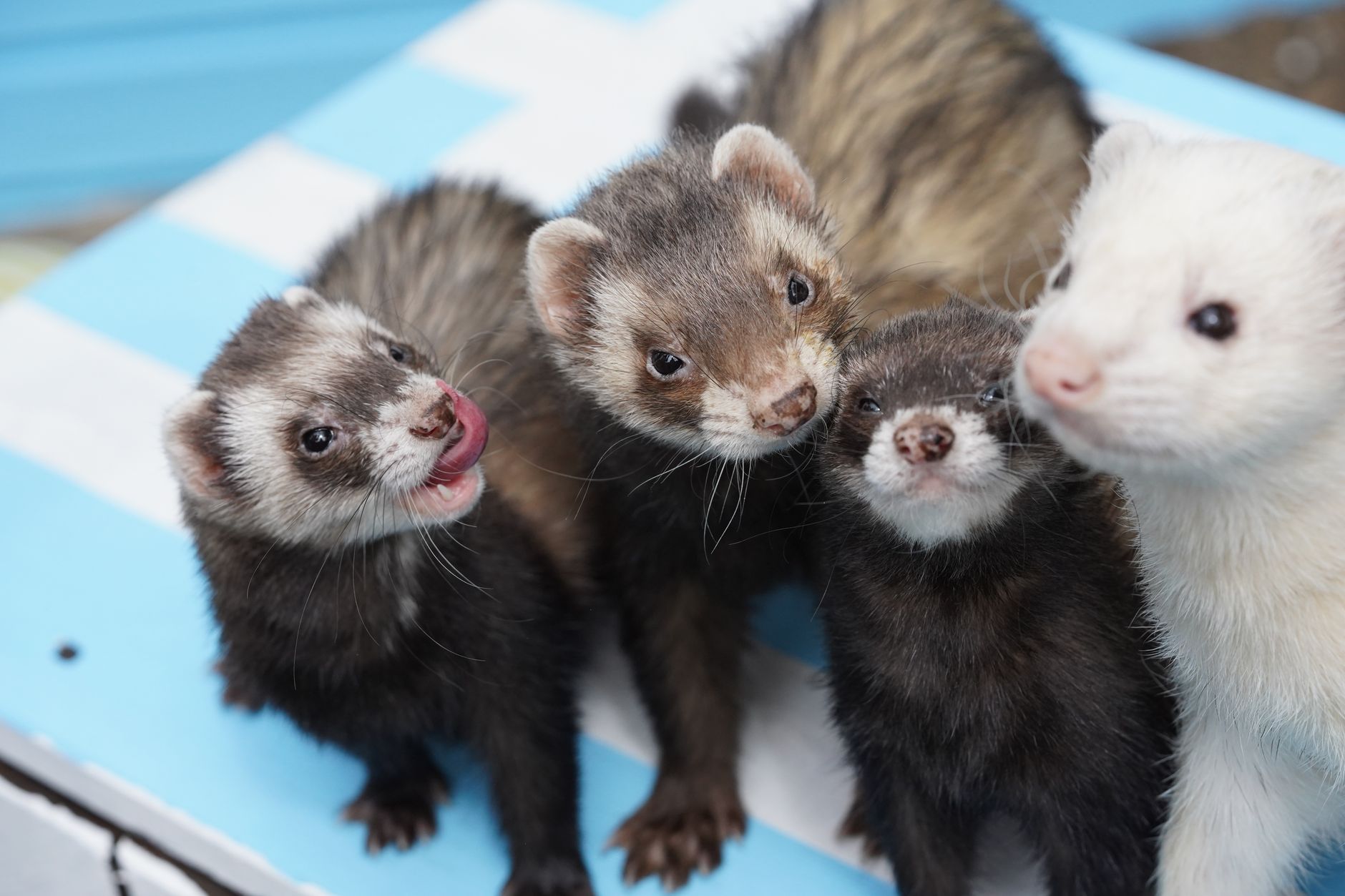
Are Ferrets Good Indoor Pets?
Yes, ferrets can make good indoor pets for the right owner, offering playful companionship and unique personalities; however, they require specialized care, a commitment to enrichment, and are not suitable for everyone.
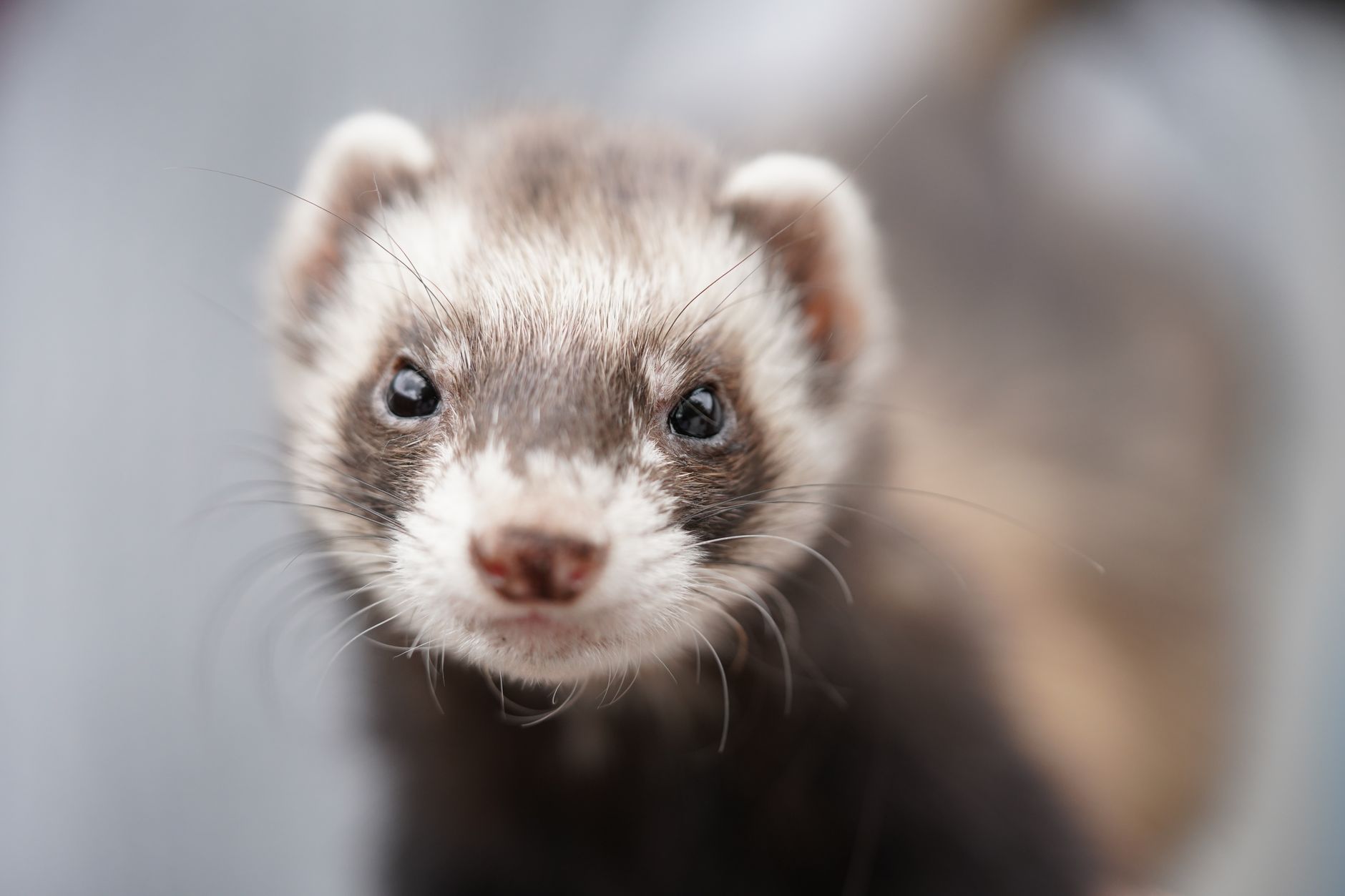
The Alluring Appeal of Ferrets
Ferrets, with their slinky bodies, mischievous eyes, and playful antics, have carved a niche for themselves in the hearts of pet lovers. They’re often described as a cross between a cat, a dog, and a clown, offering a unique blend of independence, affection, and boundless energy. But are ferrets good indoor pets for you? This exploration delves into the realities of ferret ownership, examining the joys, challenges, and necessary considerations to determine if these fascinating creatures are the right fit for your home and lifestyle.
The Pros of Ferret Companionship

Owning a ferret can be incredibly rewarding. Here are some compelling reasons why ferret enthusiasts choose to share their homes with these mustelids:
- Affectionate and Playful: Ferrets are naturally curious and enjoy interacting with their owners. They often display playful behaviors like “ferret war dances” (a series of excited hops and spins) and enjoy chasing toys. They can also be very cuddly.
- Relatively Small Size: Compared to larger pets like dogs, ferrets require less space and are easier to manage in apartment settings, as long as their needs are met.
- Intelligent and Trainable: Ferrets are intelligent animals that can be trained to use a litter box and even learn tricks.
- Unique Personalities: Each ferret has its own distinct personality, ranging from shy and reserved to outgoing and mischievous. This individual character adds to the appeal of ferret ownership.
- Quiet Pets: Ferrets are relatively quiet animals, typically only vocalizing when playing or stressed.
The Cons of Ferret Companionship
While the charm of ferrets is undeniable, it’s crucial to acknowledge the challenges:
- Strong Odor: Ferrets possess a distinct musky odor, even with regular bathing. This odor can be reduced with proper care and diet but cannot be eliminated entirely. Desexing ferrets can help reduce the odor somewhat.
- Destructive Tendencies: Ferrets are natural burrowers and enjoy exploring small spaces. They can be destructive if not provided with appropriate outlets for their energy and curiosity. They might chew on electrical cords, dig in potted plants, or get into tight spaces that could be dangerous.
- Specialized Diet: Ferrets require a high-quality, meat-based diet specifically formulated for ferrets. Feeding them inappropriate foods can lead to serious health problems.
- Legal Restrictions: Ferret ownership is restricted or prohibited in some areas. It’s essential to check local regulations before bringing a ferret home.
- Veterinary Care: Ferrets require specialized veterinary care. Finding a veterinarian experienced in treating ferrets can be challenging and potentially expensive.
- Short Lifespan: Ferrets typically live for 5-7 years, which can be a relatively short lifespan for some pet owners.
Essential Requirements for Ferret Care
If you’re considering bringing a ferret into your home, be prepared to meet their specific needs:
- Spacious Cage: Ferrets need a large, multi-level cage with solid flooring (wire floors can injure their feet).
- Enrichment: Provide plenty of toys, tunnels, and opportunities for exploration and play. Rotate toys regularly to keep them entertained.
- Litter Box: Ferrets can be litter box trained. Place litter boxes in multiple locations throughout their cage and the areas where they are allowed to roam.
- Cleanliness: Clean their cage and litter box regularly to minimize odor and maintain hygiene.
- Supervision: Ferrets should be supervised when outside of their cage to prevent accidents and injuries.
- Regular Veterinary Checkups: Schedule regular checkups with a veterinarian experienced in ferret care.
The Ferret-Proofing Process
Ferrets are notorious for their ability to squeeze into tight spaces and cause mischief. Thorough ferret-proofing is essential for their safety:
- Cover Electrical Cords: Ferrets are attracted to chewing on electrical cords. Cover or remove them to prevent electrocution.
- Block Small Openings: Seal any small openings or holes that a ferret could potentially squeeze into.
- Secure Medications and Cleaning Supplies: Keep all medications and cleaning supplies out of reach of ferrets.
- Remove Toxic Plants: Some houseplants are toxic to ferrets. Remove any potentially harmful plants from their environment.
- Inspect Furniture: Check furniture for any loose fabric or stuffing that a ferret could chew on and ingest.
Are Ferrets Good Indoor Pets? Common Mistakes to Avoid
Potential ferret owners often make mistakes that can negatively impact the animal’s well-being. Here are some common pitfalls to avoid:

- Neglecting Enrichment: Failing to provide adequate enrichment can lead to boredom and destructive behaviors.
- Improper Diet: Feeding ferrets the wrong type of food can cause serious health problems.
- Inadequate Veterinary Care: Delaying or neglecting veterinary care can lead to preventable illnesses.
- Lack of Supervision: Allowing ferrets to roam unsupervised can result in accidents and injuries.
- Underestimating the Odor: Being unprepared for the distinct ferret odor can lead to frustration and resentment.
Are Ferrets Good Indoor Pets?: Making the Right Choice
Ultimately, the decision of whether or not are ferrets good indoor pets depends on your individual circumstances and ability to meet their needs. If you are prepared to provide a stimulating environment, a specialized diet, regular veterinary care, and a willingness to adapt your home to their unique personalities, then ferrets can be wonderful companions. However, if you are not able to commit to these requirements, it’s best to consider a different type of pet.
Frequently Asked Questions (FAQs)
Are ferrets high-maintenance pets?
While ferrets don’t require walks like dogs, they are considered medium- to high-maintenance pets. They need a lot of attention, playtime, and a specifically designed environment. The commitment to enrichment and the unique diet requires significant dedication.
Do ferrets bite?
Ferrets can bite, especially if they are startled, frightened, or not properly socialized. However, with gentle handling and consistent training, ferret bites can be minimized. Young ferrets, or “kits,” are more prone to nipping.
How often do ferrets need to be bathed?
Bathing ferrets too frequently can strip their skin of natural oils and worsen their odor. Generally, ferrets should only be bathed every few months or as needed.
Can ferrets be litter box trained?
Yes, ferrets can be litter box trained, but it requires patience and consistency. Place litter boxes in multiple locations, especially in corners, as ferrets often prefer to eliminate in corners.
What is the best diet for a ferret?
Ferrets require a diet that is high in protein and fat and low in fiber. A high-quality, commercially available ferret food is the best option. Avoid feeding them cat food, dog food, or other inappropriate foods.
Are ferrets good with children?
Ferrets can be good with children, but supervision is always necessary. Children need to be taught how to handle ferrets gently and respectfully. Ferrets may nip if they are handled roughly or feel threatened.
Do ferrets need vaccinations?
Yes, ferrets require vaccinations against rabies and canine distemper. Consult with your veterinarian for a vaccination schedule.
Are ferrets nocturnal?
Ferrets are crepuscular, meaning they are most active during dawn and dusk. However, they can adapt to their owner’s schedule and become active during the day. They sleep for a large portion of the day (16-18 hours).
Can ferrets live with other pets?
Ferrets can live with other pets, but it depends on the individual animals and their personalities. Ferrets are natural predators and may pose a threat to small animals like birds, rodents, and reptiles. Careful introductions and supervision are essential.
How much does it cost to own a ferret?
The cost of owning a ferret can vary depending on several factors, including the cost of the ferret itself, their food, veterinary care, and supplies. The initial setup costs can range from $200 to $500, and ongoing costs can range from $50 to $100 per month.
Do ferrets smell bad?
Ferrets have a distinct musky odor that some people find unpleasant. While the odor can be minimized with proper care and diet, it cannot be eliminated entirely. Desexing and regular cage cleaning are vital.
Are ferrets legal to own everywhere?
No, ferret ownership is restricted or prohibited in some areas. It is essential to check local regulations before bringing a ferret home. Some states and municipalities have outright bans.