

Are Dolphins Friendly or Dangerous? Unveiling the Truth
Are dolphins friendly or dangerous? The answer is complex: while known for their intelligence and playful nature, dolphins are powerful wild animals, and interactions can be unpredictable. It’s crucial to understand their behavior and respect their boundaries to ensure both human and dolphin safety.

The Alluring Image of Dolphins: A History of Perception
Dolphins have captured human imagination for centuries. Ancient cultures revered them, and modern entertainment often portrays them as smiling, benevolent creatures. This positive image stems from documented instances of dolphins assisting humans, such as guiding ships or protecting swimmers from sharks. However, this perception only tells part of the story. The reality of the question, are dolphins friendly or dangerous?, is far more nuanced.
The Complex Social Dynamics of Dolphin Societies
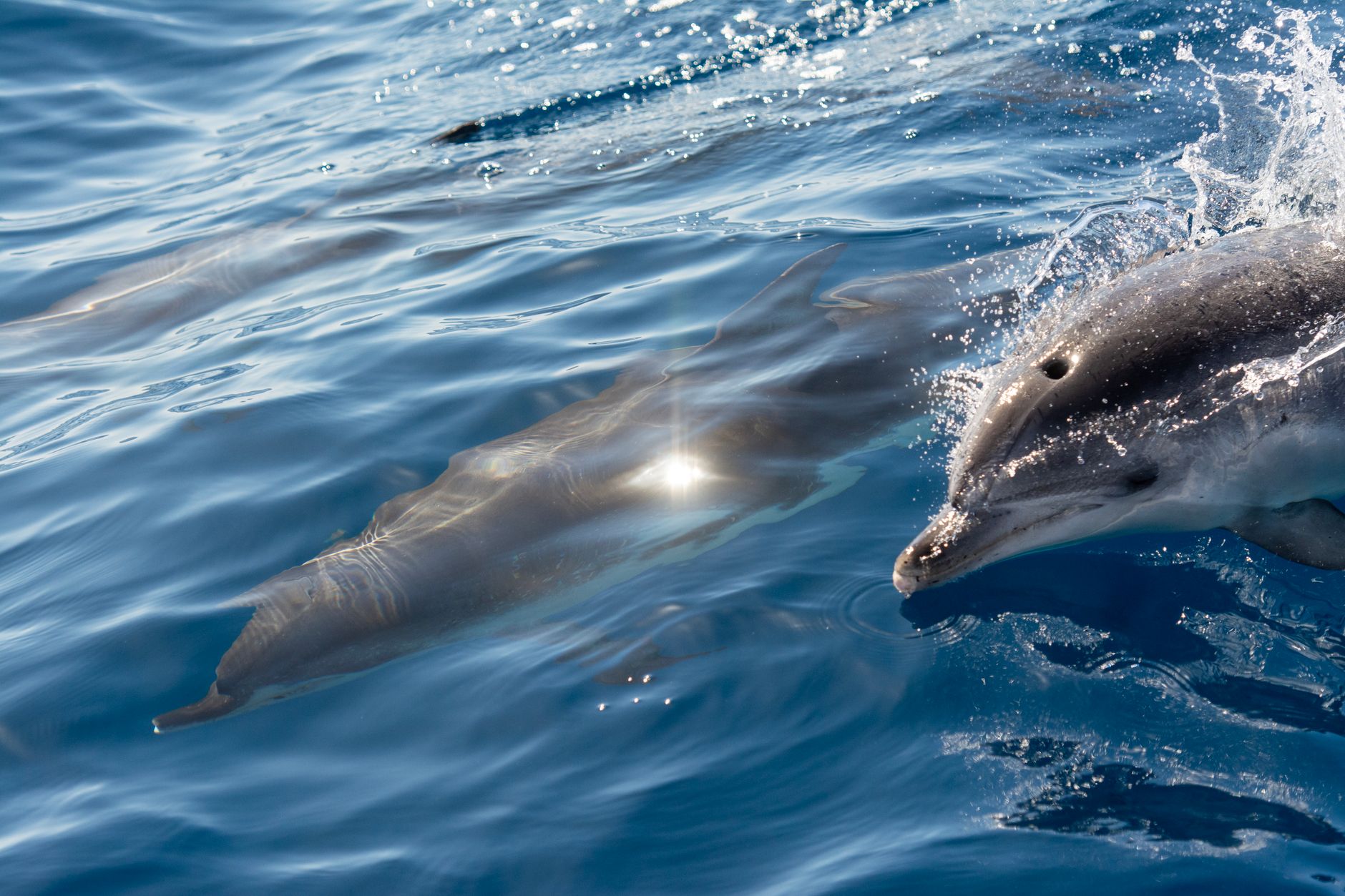
Dolphins are highly social animals living in complex societies called pods. These pods have hierarchical structures, and dominance struggles can be fierce. Male dolphins, in particular, engage in aggressive behaviors towards each other to establish dominance and compete for mates. These behaviors, while natural, can sometimes spill over into interactions with humans.
Understanding Dolphin Behavior: Beyond the Smile
- Echolocation: Dolphins use echolocation to navigate and hunt. They emit clicks and interpret the returning echoes to create a “sound picture” of their surroundings.
- Body Language: Pay attention to body language. A dolphin swimming rapidly towards you or exhibiting aggressive displays (jaw popping, head jerking) might not welcome interaction.
- Play vs. Aggression: Differentiating between playful behavior and aggression is crucial. What might appear playful to humans, such as nipping, can be a sign of dominance or territoriality.
The Risks of Human-Dolphin Interactions
While dolphins may seem approachable, several factors can make interactions risky:
- Power and Size: Dolphins are significantly stronger and larger than most humans. An accidental bump or push can cause serious injury.
- Sharp Teeth: Dolphins have teeth, and while they rarely bite humans intentionally, accidental bites can occur during close interactions.
- Disease Transmission: Zoonotic diseases can be transmitted between dolphins and humans. Maintaining distance minimizes this risk.
- Disruption of Natural Behavior: Frequent human interaction can disrupt dolphins’ natural foraging, mating, and social behaviors. This can negatively impact their overall well-being.
Best Practices for Responsible Dolphin Encounters
If you find yourself near dolphins, adhere to these guidelines:
- Observe from a Distance: The best way to appreciate dolphins is from a safe distance. Avoid approaching them or attempting to touch them.
- Avoid Feeding: Feeding dolphins alters their natural foraging behavior and can make them dependent on humans for food.
- Do Not Swim With Wild Dolphins: Swimming with wild dolphins can be disruptive and potentially dangerous.
- Respect Their Space: Give dolphins plenty of space and avoid crowding them.
Laws and Regulations Protecting Dolphins
Many countries have laws protecting dolphins and regulating human interactions with them. These laws aim to conserve dolphin populations and minimize human-caused harm. Be aware of the local regulations in your area and comply with them. Penalties for violating these laws can be significant.
The Truth: Are Dolphins Friendly or Dangerous?
Are dolphins friendly or dangerous? The answer isn’t straightforward. They are intelligent, social animals, but they are also wild creatures with complex behaviors. While some interactions may be positive, it’s crucial to remember they are not domesticated animals and their behavior can be unpredictable. Understanding their biology, respecting their boundaries, and following responsible observation guidelines are essential for ensuring both human and dolphin safety.
Summary Table: Friendly vs. Dangerous Characteristics
| Feature | Friendly Perception | Dangerous Reality |
|---|---|---|
| Behavior | Playful, curious, seemingly helpful | Aggressive, territorial, unpredictable |
| Physicality | Streamlined, graceful appearance | Powerful, large, equipped with sharp teeth |
| Interaction | Seek interaction, “smiling” face | May display aggression, dominance behaviors |
| Risk to Humans | Perceived as low, based on anecdotal evidence | Significant risk of injury, disease transmission |
| Overall Assessment | Potentially friendly with caution and respect | Inherently dangerous if boundaries are crossed |

Frequently Asked Questions (FAQs)
What makes dolphins seem so friendly to humans?
Dolphins often exhibit curious and playful behavior, such as approaching boats, leaping from the water, and interacting with objects. Their facial structure, with a permanent “smile,” also contributes to the perception that they are friendly and approachable. However, it’s important to remember that these behaviors don’t necessarily indicate an invitation for interaction.
Are dolphins ever aggressive towards humans?
Yes, dolphins can be aggressive towards humans, although it’s relatively rare. Aggression is often linked to territoriality, competition for mates, or defense of their young. Male dolphins, in particular, may exhibit aggressive behavior during mating season. Human attempts to feed or interact with dolphins can also trigger aggressive responses.
Can dolphins intentionally harm humans?
While uncommon, there have been documented cases of dolphins intentionally harming humans. These incidents often involve captive dolphins or situations where humans have acted aggressively towards the animals. In the wild, dolphins are more likely to avoid humans than to attack them. However, unintentional harm can occur due to the dolphin’s size and strength.
Is it safe to swim with dolphins in the wild?
Swimming with wild dolphins is generally discouraged because it can disrupt their natural behavior and put both humans and dolphins at risk. Dolphins are powerful animals, and accidental injuries can occur. Furthermore, swimming with dolphins can transmit diseases and alter their natural foraging and social habits.
What should I do if a dolphin approaches me in the water?
If a dolphin approaches you in the water, remain calm and avoid sudden movements. Do not attempt to touch or feed the dolphin. Slowly back away and give the animal plenty of space. If the dolphin exhibits aggressive behavior, such as jaw popping or head jerking, immediately move away.
Are dolphins considered a protected species?
Many species of dolphins are protected under national and international laws. These laws aim to conserve dolphin populations and prevent human-caused harm. Killing, harassing, or capturing dolphins can result in severe penalties.
Can dolphins transmit diseases to humans?
Yes, dolphins can transmit zoonotic diseases to humans. These diseases can be transmitted through direct contact with dolphins or through contaminated water. Maintaining a safe distance and avoiding contact with dolphin excretions can reduce the risk of disease transmission.
Why is it important not to feed wild dolphins?
Feeding wild dolphins alters their natural foraging behavior and can make them dependent on humans for food. This can lead to malnutrition, increased risk of boat strikes, and decreased ability to survive in the wild. Feeding dolphins is harmful to their health and well-being.
Do dolphins have any natural predators?
Large sharks, such as tiger sharks and bull sharks, are the primary natural predators of dolphins. Orcas (killer whales), which are technically dolphins themselves, also prey on other dolphin species. Human activities, such as entanglement in fishing gear and habitat destruction, pose a significant threat to dolphin populations.
How can I support dolphin conservation efforts?
You can support dolphin conservation efforts by donating to reputable conservation organizations, reducing your consumption of seafood from unsustainable fisheries, and advocating for stronger marine protections. Supporting responsible tourism practices that minimize disturbance to dolphins is also essential.
What is the difference between a dolphin and a porpoise?
While both are marine mammals, dolphins and porpoises are distinct species. Dolphins generally have longer, more beak-like snouts and curved dorsal fins, while porpoises have shorter snouts and triangular dorsal fins. Dolphins are also typically more social and acrobatic than porpoises.
How intelligent are dolphins compared to other animals?
Dolphins are considered one of the most intelligent animals on Earth. They have large, complex brains and exhibit advanced cognitive abilities, such as problem-solving, self-recognition, and communication. Their intelligence rivals that of great apes and surpasses that of most other animals. Understanding this complex intelligence is key to answering the question: are dolphins friendly or dangerous? and fostering appropriate interactions.