

Are Devil Fish Good or Bad? Unveiling the Truth
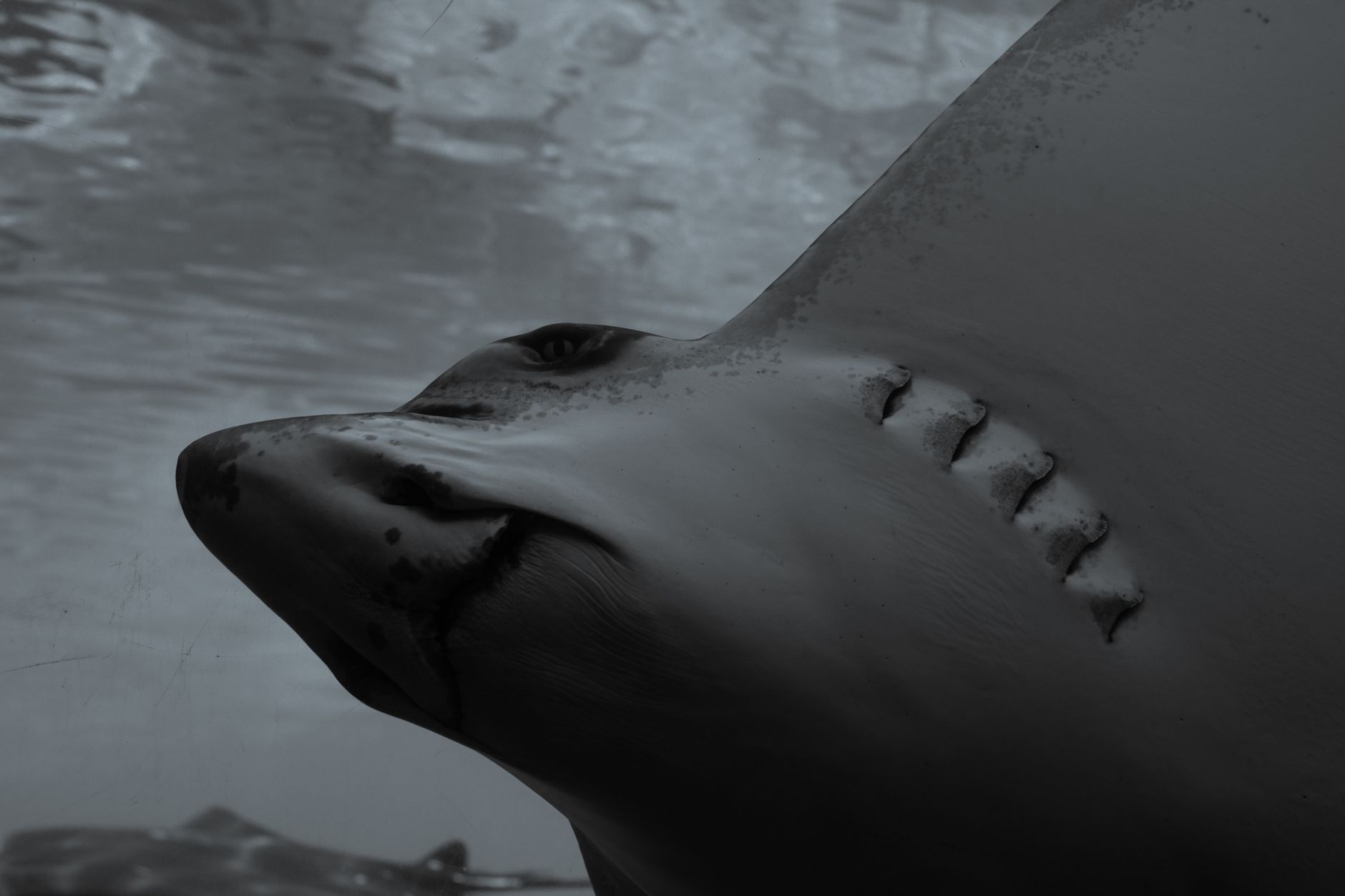
Devil fish, also known as manta rays, are a fascinating and often misunderstood species; generally, the answer to Are devil fish good or bad? is that they are more beneficial than harmful, playing a crucial role in marine ecosystems and supporting ecotourism, while any negative impacts stem primarily from human activities like fishing and habitat degradation.
Introduction: Beyond the “Devil”
The moniker “devil fish” often conjures images of menacing creatures lurking in the depths. However, this outdated and inaccurate depiction does a disservice to the magnificent manta ray, a gentle giant of the sea. The question of Are devil fish good or bad? is complex and requires a nuanced understanding of their ecological role, their interactions with humans, and the threats they face. This article aims to delve into these complexities, dispelling myths and providing a comprehensive overview of these remarkable animals.
The Magnificent Manta Ray: A Biological Overview
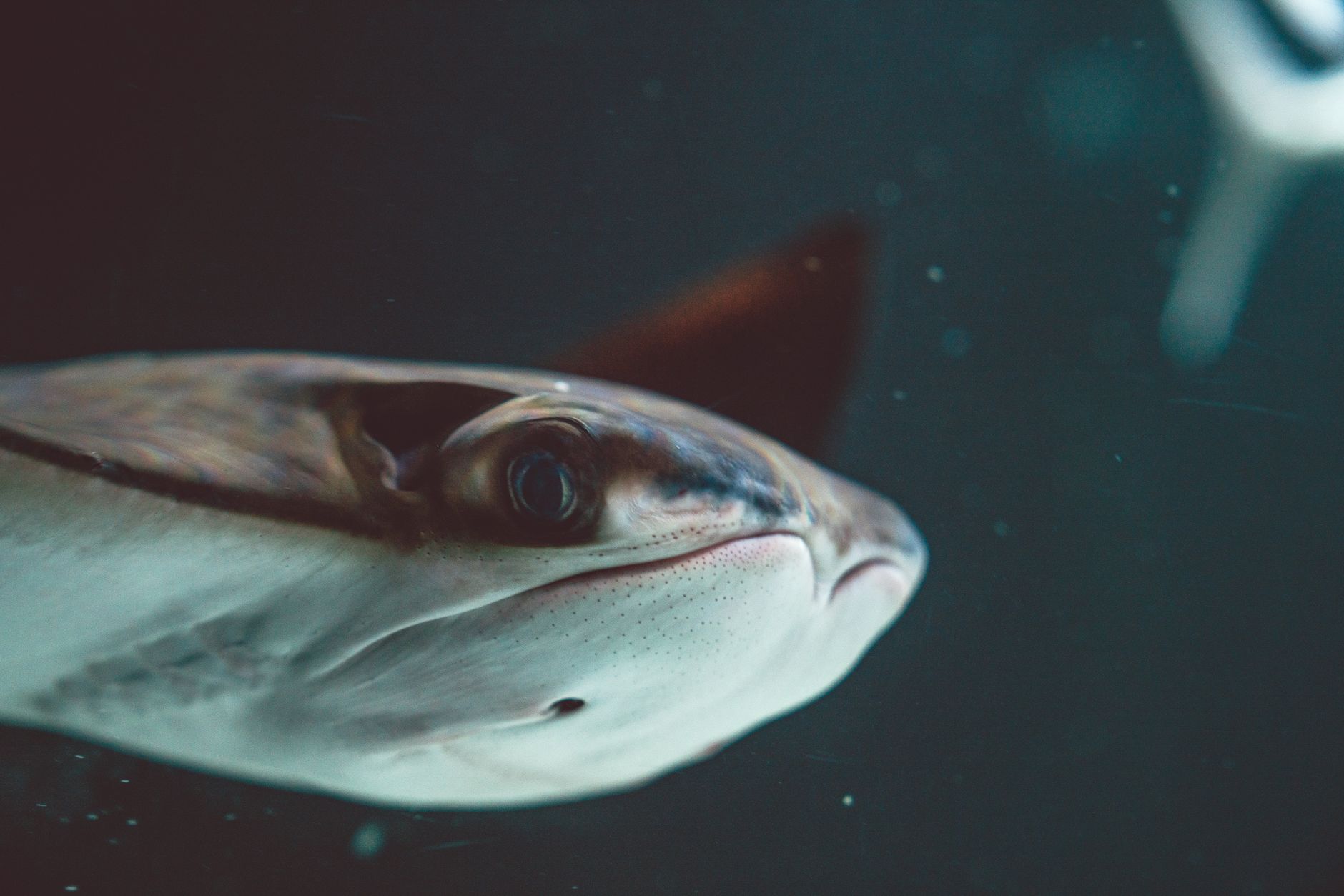
Manta rays are cartilaginous fish belonging to the family Mobulidae. There are two recognized species: the giant oceanic manta ray (Mobula birostris) and the reef manta ray (Mobula alfredi). These filter feeders are characterized by their impressive size, wing-like pectoral fins, and cephalic lobes (horn-like projections) that give them their “devil fish” name.
- Giant Oceanic Manta Ray (Mobula birostris): The largest species, reaching up to 7 meters (23 feet) in wingspan. Found in oceanic waters worldwide.
- Reef Manta Ray (Mobula alfredi): Smaller, typically around 5 meters (16 feet) in wingspan. Prefers coastal reef habitats.
The Ecological Role of Manta Rays: Why They Matter
Manta rays play a vital role in maintaining the health and balance of marine ecosystems. As filter feeders, they consume large quantities of plankton, helping to regulate plankton populations and prevent algal blooms. Their movements also contribute to nutrient cycling in the ocean.
Here are some of their key ecological functions:
- Plankton Control: Prevents overpopulation and harmful algal blooms.
- Nutrient Cycling: Redistribution of nutrients through fecal matter.
- Indicator Species: Their presence and health reflect the overall condition of their habitat.
Human Interactions: Benefits and Threats
Manta rays have both positive and negative interactions with humans. On one hand, they are a significant draw for ecotourism, generating revenue and promoting conservation. On the other hand, they are threatened by fishing, both targeted and accidental, as well as habitat degradation and climate change.
| Interaction | Benefit | Threat |
|---|---|---|
| Ecotourism | Revenue generation, conservation awareness | Potential disturbance to manta ray behavior |
| Fishing (Targeted) | Demand for gill plates in traditional medicine | Population decline, ecosystem disruption |
| Fishing (Bycatch) | N/A | Injury and mortality |
| Habitat Degradation | N/A | Reduced food supply, breeding ground loss |
| Climate Change | N/A | Ocean acidification, altered plankton blooms |
Conservation Status and Efforts
Both species of manta ray are listed as Vulnerable by the International Union for Conservation of Nature (IUCN). This designation reflects the growing concerns about their declining populations due to various threats. Conservation efforts include:
- Protected Area Establishment: Creating marine reserves and sanctuaries to safeguard manta ray habitats.
- Fishing Regulations: Implementing catch limits and gear restrictions to reduce manta ray mortality.
- Ecotourism Management: Promoting sustainable tourism practices that minimize disturbance to manta rays.
- Research and Monitoring: Studying manta ray populations, behavior, and threats to inform conservation strategies.
Mitigation Strategies: How to Help
Addressing the threats to manta rays requires a multi-pronged approach involving governments, communities, and individuals. Here are some ways to help:
- Support sustainable tourism operators. Choose ecotourism companies that prioritize responsible interaction with manta rays.
- Reduce your consumption of seafood from unsustainable sources. This helps to decrease the demand for fisheries that may impact manta rays.
- Advocate for stronger marine protections. Support policies that protect manta ray habitats and regulate fishing practices.
- Educate others about manta rays and their conservation needs. Spread awareness about the importance of these magnificent creatures.
The Future of Manta Rays: Hope or Despair?
The future of manta rays hinges on our ability to mitigate the threats they face and implement effective conservation strategies. While challenges remain, there is reason for optimism. Growing awareness, increasing research efforts, and collaborative conservation initiatives offer hope for the long-term survival of these gentle giants. Addressing the question of Are devil fish good or bad?, the answer depends entirely on humanity’s actions and our capacity to coexist peacefully with these remarkable creatures.

Frequently Asked Questions (FAQs)
Are manta rays dangerous to humans?
Manta rays are not dangerous to humans. They are gentle giants that feed on plankton and pose no threat. In fact, they are often curious and may approach divers and snorkelers.
What do manta rays eat?
Manta rays are filter feeders, meaning they primarily eat plankton, tiny organisms that drift in the water. They use their cephalic lobes to funnel plankton-rich water into their mouths, where it is filtered out by specialized gill plates.
How big can manta rays get?
The giant oceanic manta ray can reach a wingspan of up to 7 meters (23 feet), while the reef manta ray typically reaches around 5 meters (16 feet).
Where do manta rays live?
Manta rays are found in tropical and subtropical waters around the world. The giant oceanic manta ray is found in oceanic waters, while the reef manta ray prefers coastal reef habitats.
Are manta rays related to stingrays?
Yes, manta rays and stingrays are both members of the same group of cartilaginous fish called elasmobranchs. However, unlike stingrays, manta rays do not have a venomous barb on their tail.
How long do manta rays live?
Manta rays are believed to live for at least 50 years, and possibly much longer.
Are manta rays intelligent?
Manta rays are considered to be highly intelligent, exhibiting complex social behaviors and demonstrating problem-solving abilities. They have the largest brain-to-body ratio of any fish.
Why are manta ray populations declining?
Manta ray populations are declining due to a combination of factors, including fishing (both targeted and bycatch), habitat degradation, climate change, and pollution.
What are gill rakers and why are they valuable?
Manta rays are hunted for their gill rakers, comb-like structures in their gills used to filter plankton, due to the mistaken belief they have medicinal value. These gill rakers are sold in traditional Chinese medicine despite lacking scientific evidence of any therapeutic benefits.
How can I tell the difference between a manta ray and a mobula ray?
While both are often referred to as “devil rays” and belong to the same family, mantas are generally larger. A key difference is the position of the mouth. Mantas have a terminal mouth (at the front of their head), while mobula rays have a subterminal mouth (underneath their head).
What is the best way to see manta rays in the wild?
The best way to see manta rays in the wild is to join a responsible and ethical ecotourism tour. Look for operators that prioritize manta ray conservation and minimize disturbance to their behavior.
Are devil fish good or bad for the environment?
To reiterate the original question, Are devil fish good or bad? In general, they are essential to the health of the ocean and marine ecosystems. Any negative impact is primarily attributable to human factors.