
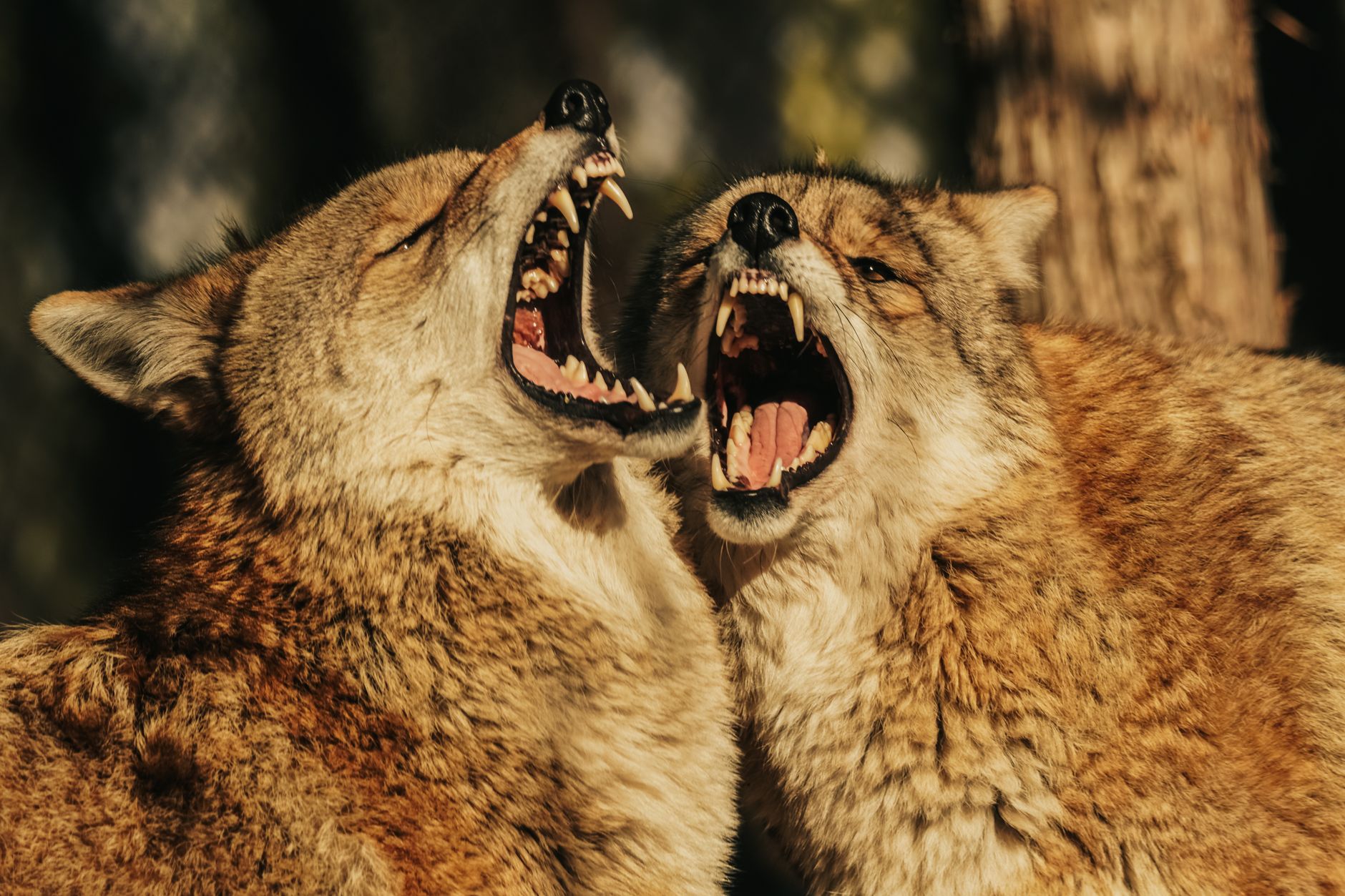
Are Coyotes Aggressive to Dogs?: Understanding the Risk
Are coyotes aggressive to dogs? The answer is a complex one: While coyotes are generally opportunistic and may avoid direct confrontation, aggressive encounters between coyotes and dogs can occur, especially during breeding season or when protecting territory or young.

Understanding Coyote Behavior
Coyotes, Canis latrans, are highly adaptable wild canids found throughout North America. Their behavior is influenced by factors like food availability, habitat, time of year, and individual temperament. To understand the risk of coyote-dog interactions, we must first understand coyote behavior.
-
Territoriality: Coyotes are highly territorial animals. They establish and defend territories, which can range from a few acres to several square miles, depending on resource availability. This territoriality often drives conflict with other canids, including dogs.
-
Seasonal Variations: Coyote behavior changes throughout the year. During the breeding season (typically January to March), they become more aggressive in defending their territories and mates. Pup-rearing season (April to August) sees increased hunting activity and protective behavior around dens.
-
Diet and Predation: Coyotes are opportunistic omnivores, meaning they eat a variety of foods, including small mammals, birds, insects, fruits, and carrion. While coyotes rarely view adult dogs as prey, small dogs can be perceived as such, and even larger dogs can be seen as competition for resources.
-
Social Structure: Coyotes live in complex social structures, often consisting of a mated pair and their offspring. These family groups cooperate in hunting and territory defense. Understanding this social dynamic is crucial to interpreting their interactions with domestic dogs.
Why Coyote-Dog Interactions Occur

Several factors contribute to coyote-dog encounters, some of which lead to aggression.
-
Territorial Disputes: Dogs, especially when off-leash, can inadvertently wander into coyote territories. Coyotes view this as an intrusion and may respond aggressively to drive the dog away.
-
Predatory Behavior (Small Dogs): Unfortunately, small dogs can be mistaken for prey, especially puppies. Coyotes may stalk and attack them as they would other small animals.
-
Competition for Resources: Coyotes and dogs may compete for food sources, such as unattended pet food or garbage. This competition can lead to aggressive confrontations.
-
Mating and Pup-Rearing: As mentioned, coyotes are more aggressive during breeding and pup-rearing seasons. They are highly protective of their mates and offspring and will aggressively defend them against perceived threats, including dogs.
Strategies for Prevention
Reducing the risk of aggressive encounters requires proactive measures.
-
Keep Dogs Leashed: The simplest and most effective way to prevent interactions is to keep dogs on a leash, especially in areas known to have coyote activity.
-
Supervise Dogs in Yards: Never leave small dogs unattended in yards, particularly at dawn and dusk when coyotes are most active.
-
Secure Pet Food and Garbage: Eliminate potential food sources by keeping pet food indoors and securing garbage cans.
-
Hazing Techniques: If you encounter a coyote, use hazing techniques to scare it away. This can involve making loud noises (shouting, clapping, using an air horn), throwing objects (but not at the coyote), and making yourself appear larger.
-
Install Fencing: A tall, sturdy fence (at least 6 feet high) can deter coyotes from entering your yard. Consider installing coyote rollers at the top of the fence to prevent them from climbing over.
-
Remove Brush and Cover: Coyotes prefer areas with dense vegetation where they can hide. Removing brush and cover from your yard can make it less attractive to them.
Understanding The Psychology of Each Animal
Understanding the animal’s perspective is crucial when considering “Are coyotes aggressive to dogs?” Coyotes often aren’t seeking conflict, but rather safeguarding resources or young. Dogs, motivated by play or territory, may inadvertently provoke defensive reactions. It’s often a clash of instincts, not a deliberate act of malice. Understanding this dynamic can help you take preventative measures.
What To Do If You Encounter A Coyote
If you encounter a coyote while walking your dog, it is important to remain calm. Pick up small dogs, if possible, and slowly back away while maintaining eye contact with the coyote. Use hazing techniques to discourage the coyote from approaching. Report any aggressive coyote behavior to your local animal control or wildlife agency.

Frequently Asked Questions About Coyotes and Dogs
Are coyotes and dogs able to breed?
While coyotes and dogs are both members of the Canidae family, they are genetically distinct enough that successful breeding is rare. Hybrids, known as “coydogs,” are possible, but their fertility is often reduced, and they tend to exhibit behavioral issues.
What time of day are coyotes most active?
Coyotes are crepuscular, meaning they are most active at dawn and dusk. This is often when they are hunting or patrolling their territory. However, they can be seen at any time of day, particularly in urban areas where they have adapted to human activity.
What are the signs that a coyote is aggressive?
Signs of aggression in a coyote can include staring intently, growling, snarling, snapping, lunging, and raised hackles. If a coyote exhibits these behaviors, it’s important to back away slowly and avoid direct eye contact.
Can I use an electronic collar to protect my dog from coyotes?
Electronic collars, such as those used for invisible fencing, can deter dogs from leaving a designated area. However, they do not prevent coyotes from entering the yard and may not be effective in stopping a determined coyote attack.
Are some dog breeds more vulnerable to coyote attacks?
Yes, small breeds, like Chihuahuas and Yorkies, are particularly vulnerable due to their size. However, even larger breeds can be at risk if they are off-leash or confrontational.
What should I do if a coyote attacks my dog?
If a coyote attacks your dog, try to scare it away by shouting, throwing objects, or using an air horn. If possible, separate your dog from the coyote and seek veterinary care immediately. Report the attack to your local animal control agency.
Are coyotes more aggressive in urban areas?
Urban coyotes have often become habituated to humans and may be less fearful. This can lead to more frequent encounters and, potentially, increased aggression if they feel threatened or are defending their territory.
Does fencing always deter coyotes?
A well-maintained, tall fence can deter coyotes, but it is not foolproof. Coyotes are skilled climbers and diggers. Consider using coyote rollers or burying a portion of the fence underground to prevent them from going over or under it.
Are there any repellents that effectively deter coyotes?
Several commercial coyote repellents are available, but their effectiveness is variable. Some repellents contain capsaicin (the active ingredient in chili peppers) or other irritating substances. Regularly rotating repellents is often more effective than using the same one continuously.
How do I teach my dog to avoid coyotes?
You can train your dog to respond to commands like “leave it” or “come” to redirect its attention away from a coyote. It is also crucial to practice recall in a variety of environments, including areas where coyotes may be present.
Is it safe to walk my dog off-leash in areas with known coyote activity?
No, it is generally not safe to walk your dog off-leash in areas with known coyote activity. Keeping your dog on a leash allows you to maintain control and prevent it from wandering into a coyote’s territory.
What role does local wildlife management play?
Local wildlife management agencies often conduct coyote population monitoring and management programs. They may also provide information and resources to help residents coexist with coyotes safely. Contact your local agency to report any concerns or sightings of aggressive coyotes. Understanding the work they do contributes to being informed about “Are coyotes aggressive to dogs?” and the measures in place to protect pets.