

Are Cichlids Good Parents? A Deep Dive into Their Parental Care
Cichlids stand out in the fish world for their fascinating parental care strategies. The answer to Are cichlids good parents? is a resounding yes; many species exhibit remarkable dedication to protecting and nurturing their young, making them exceptional parents in the aquatic realm.

The Remarkable World of Cichlid Parental Care
Cichlids, a diverse family of fish native to Africa, South America, and Asia, are renowned for more than just their vibrant colors and intricate social behaviors. One of their most captivating characteristics is their complex and often elaborate parental care strategies. Unlike many fish species that simply lay eggs and abandon them, cichlids display a range of behaviors, from guarding eggs and fry to actively feeding and transporting their young. This dedication to their offspring is a major factor in their evolutionary success and makes them truly fascinating subjects of study.
Types of Cichlid Parental Care

Cichlid parental care is not a one-size-fits-all approach. Different species have evolved different methods, each adapted to their specific environment and ecological niche. These strategies can be broadly categorized as follows:
-
Substrate Spawners: These cichlids lay their eggs on a chosen surface, such as a rock, leaf, or even a carefully excavated pit. Both parents typically participate in guarding the eggs, fanning them to ensure proper oxygenation, and removing any debris or infertile eggs. Once the fry hatch, they continue to protect them from predators and guide them to feeding areas. Examples include Convict Cichlids and Jack Dempsey Cichlids.
-
Mouthbrooders: This is perhaps the most well-known and fascinating cichlid parental care strategy. In mouthbrooding, one parent (usually the female, but sometimes the male or both) collects the eggs in their mouth immediately after they are laid and fertilized. The eggs incubate in the parent’s mouth for several weeks, during which time the parent typically does not eat or eats very little. After the fry hatch, they continue to seek refuge in the parent’s mouth when threatened. Examples include Malawi and Tanganyika Cichlids.
-
Cave Spawners: These cichlids, as the name suggests, spawn in caves or crevices. The parents diligently guard the cave entrance, defending their eggs and fry from intruders. Cave spawning is often seen in smaller cichlid species.
| Category | Description | Examples |
|---|---|---|
| Substrate Spawners | Lay eggs on a surface and guard them. | Convict Cichlids, Jack Dempsey |
| Mouthbrooders | Incubate eggs in their mouth. | Malawi Cichlids, Tanganyika Cichlids |
| Cave Spawners | Spawn and protect their young in caves. | Some Apistogramma species |
Benefits of Cichlid Parental Care
The extensive parental care exhibited by cichlids offers several significant benefits that contribute to the survival and success of their offspring:
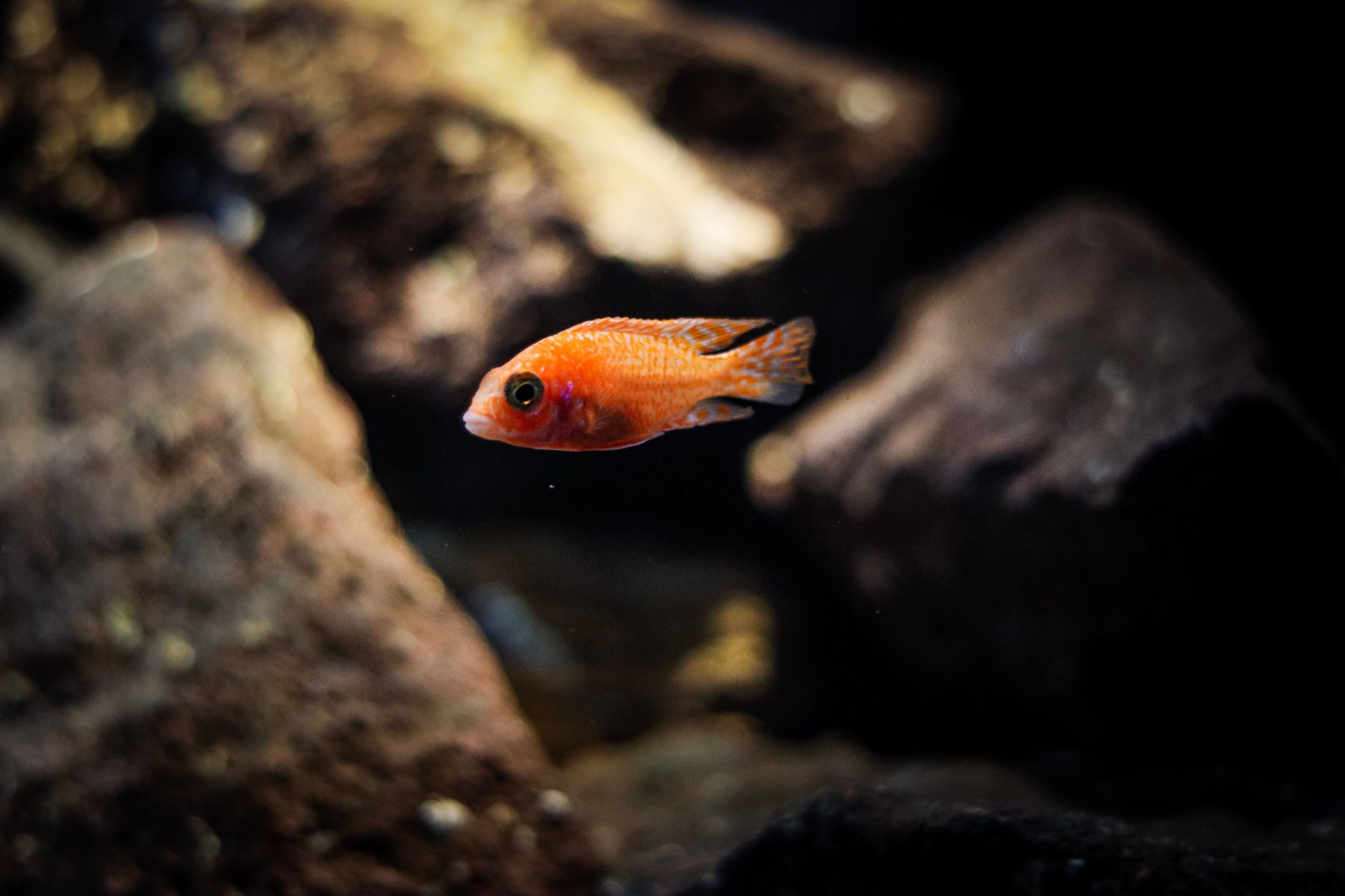
- Increased Fry Survival Rate: By guarding their eggs and fry, cichlids significantly reduce the risk of predation and disease, leading to a much higher survival rate compared to species that abandon their offspring.
- Improved Fry Health and Development: Parental care ensures that the fry receive proper oxygenation (fanning), a clean environment (removal of debris), and access to food (guiding to feeding areas or direct feeding in some cases).
- Learning Opportunities for Fry: Fry learn essential survival skills from their parents, such as foraging techniques, predator avoidance, and social behavior.
Challenges and Considerations for Cichlid Keepers
While observing cichlid parental care in the aquarium can be a rewarding experience, it also presents certain challenges for hobbyists.
- Aggression: Parental cichlids can become highly aggressive towards tankmates, even those they previously tolerated. It may be necessary to separate the breeding pair or the fry to prevent injury or death.
- Water Quality: Maintaining optimal water quality is crucial during breeding and fry rearing. Regular water changes and efficient filtration are essential.
- Fry Feeding: Providing appropriate food for the fry is critical. Newly hatched fry often require small live foods, such as baby brine shrimp or micro worms.
- Tank Size: Sufficient tank size is necessary to accommodate the breeding pair and their offspring, especially as the fry grow. Overcrowding can lead to stress, disease, and aggression.
Frequently Asked Questions (FAQs)
Are cichlids good parents for beginner aquarists?
Some cichlids are easier to breed and raise than others. Convict cichlids, for example, are known for their prolific breeding and relatively easy care. However, it’s important to research the specific species before attempting to breed them. Mouthbrooders can be more challenging.
How do I tell if my cichlid is preparing to breed?
Signs of breeding readiness include increased aggression, digging pits (for substrate spawners), lip locking behavior, and color changes. Female mouthbrooders will develop a noticeably enlarged throat pouch when carrying eggs or fry. Pay close attention to your fish’s behavior and physical appearance.
Should I remove the fry from the parents’ tank?
This depends on the species and the tank environment. In a community tank, removing the fry to a separate grow-out tank is often necessary to protect them from predation. However, if the parents are not overly aggressive and the tank is spacious, it may be possible to leave the fry with their parents. Observe the parents’ behavior closely.
What do cichlid fry eat?
Newly hatched cichlid fry typically require small live foods such as baby brine shrimp, micro worms, or infusoria. As they grow, they can be transitioned to powdered fry food and eventually to larger flake or pellet food. Ensure the food is appropriately sized for their mouths.
How long do cichlids care for their fry?
The duration of parental care varies depending on the species. Substrate spawners may care for their fry for several weeks to several months, while mouthbrooders may release their fry after a few weeks, but the fry might return to the mother’s mouth for safety for a shorter period. Observe your cichlids to understand their specific behaviors.
Are all cichlids good parents?
While most cichlids exhibit some form of parental care, the quality and duration of that care can vary. Some species are more attentive and protective than others. Additionally, individual fish within a species can exhibit different levels of parental care. Not all individuals will display the same levels of parenting skills.
Can cichlids hybridize?
Yes, cichlids are known to hybridize, especially in aquariums where natural barriers are absent. Hybridization can lead to offspring with unpredictable traits and behaviors, including altered parental care instincts. Avoid keeping closely related species together to prevent hybridization.
What is the role of the male cichlid in parental care?
The role of the male cichlid varies depending on the species. In some species, both parents participate equally in guarding the eggs and fry. In others, the male may primarily defend the territory while the female provides more direct care to the offspring. In mouthbrooding species, the male may play little to no role in parental care after fertilization. Research the specific species you are keeping.
How does water quality affect cichlid parental care?
Poor water quality can stress both the parents and the fry, leading to decreased parental care and increased susceptibility to disease. Maintaining clean, well-oxygenated water is essential for successful breeding and fry rearing. Regular water changes and efficient filtration are crucial.
Can I keep different species of cichlids together when they have fry?
Mixing different species of cichlids during breeding can be risky, as they may compete for resources or even predate on each other’s fry. It’s generally best to keep breeding pairs or groups of the same species together to minimize aggression and ensure the safety of the fry. Separate breeding tanks are often recommended.
What happens if a cichlid parent eats its fry?
Fry eating can occur for various reasons, including stress, inexperience, or poor water quality. If a parent consistently eats its fry, it may be necessary to separate the parents from the fry in subsequent breeding attempts. Monitor the behavior of the parents.
Do cichlids learn to be better parents over time?
Yes, experience can play a role in improving cichlid parental care. First-time parents may be less attentive or more prone to mistakes. However, with each subsequent breeding attempt, they often become more proficient at guarding their eggs and fry. Practice makes perfect, even for fish!
In conclusion, the question “Are cichlids good parents?” is best answered by highlighting the extraordinary range of parental care strategies that cichlids have evolved. While challenges exist for aquarists, witnessing these dedicated parents nurture their young is a truly rewarding aspect of keeping these fascinating fish. Understanding their specific needs and behaviors is key to successfully breeding and raising cichlid fry.