

Are All Dart Frogs Dangerous? Unveiling the Truth
Not all dart frogs are dangerous; in fact, most kept in captivity are entirely harmless as they lack the necessary diet to produce toxins. Understanding which species are truly toxic and how their poison works is crucial.
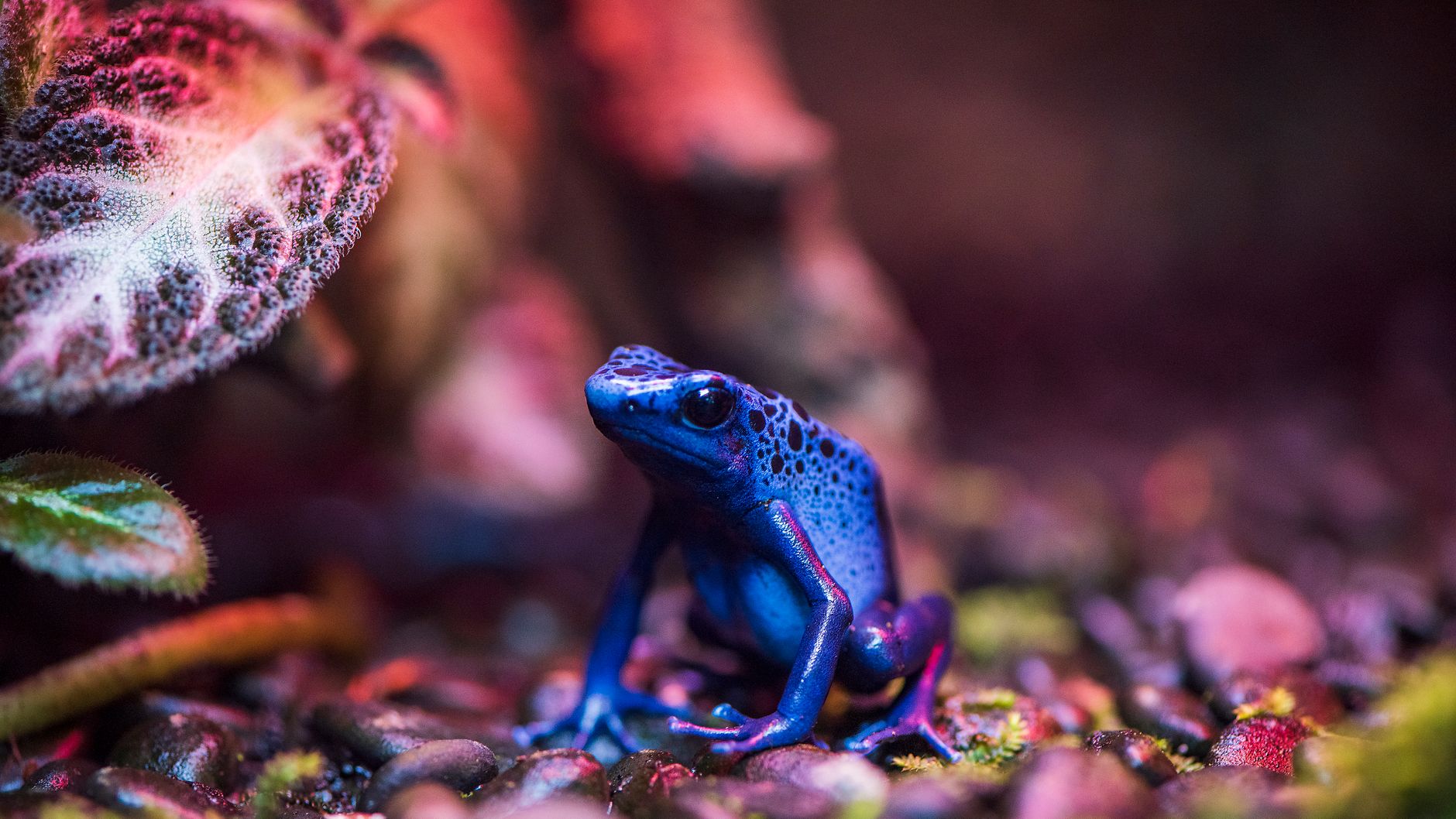
Introduction to Dart Frogs
Dart frogs, also known as poison dart frogs or poison arrow frogs, are a group of brightly colored amphibians belonging to the family Dendrobatidae. Found primarily in the tropical rainforests of Central and South America, these tiny creatures have captivated scientists and hobbyists alike with their vibrant hues and fascinating natural history. However, the name “poison dart frog” immediately raises a vital question: Are all dart frogs dangerous? This article delves into the science behind their toxicity, the reasons for the variation in their danger levels, and what it means for those interested in these unique animals.

Do all snakes have poison in them?
Can dwarf frogs live on land?
Are all shrimps born female?
What is the GREY African clawed frog?
The Source of the Poison

The infamous poison of dart frogs doesn’t originate within the frogs themselves. Instead, it’s derived from their diet in the wild. Specifically, ants, mites, and other insects contain alkaloids that the frogs sequester and convert into powerful toxins. These alkaloids are then stored in granular glands in the frog’s skin. When threatened, the frog can secrete these toxins as a defense mechanism. This dietary source is crucial to understanding why many dart frogs in captivity are not poisonous.
Variation in Toxicity
Not all dart frogs are created equal when it comes to toxicity. Several factors contribute to the variation in poison levels:
- Species: Different species of dart frogs possess different levels of toxicity. Some, like the golden poison frog (Phyllobates terribilis), are among the most poisonous animals on Earth. Others, such as certain species of Ranitomeya, have significantly lower levels of toxicity.
- Diet: As mentioned earlier, diet plays a critical role. Captive-bred dart frogs fed commercially available insects that lack the necessary alkaloids will not develop significant toxicity.
- Geographic Location: Even within the same species, toxicity can vary based on the specific geographic location and the availability of alkaloid-containing insects in that area.
The Golden Poison Frog: An Exceptionally Dangerous Species
The golden poison frog (Phyllobates terribilis) is a prime example of a highly toxic dart frog. Indigenous to a small region of the Pacific coast of Colombia, this frog’s skin contains batrachotoxins, some of the most potent neurotoxins known to science. Just a tiny amount of this toxin can cause paralysis and death in humans and other animals. The indigenous Emberá people traditionally used the frog’s poison to tip their blowdarts, hence the name “poison dart frog.”
Captive Dart Frogs: A Different Story
The vast majority of dart frogs kept in captivity are not dangerous. Since they are fed commercially available insects, such as fruit flies and crickets, that do not contain the necessary alkaloids, they do not develop the ability to produce poison. Even if a wild-caught frog were kept in captivity, its toxicity would gradually decrease as it depleted its stored alkaloids.
Handling Dart Frogs
While captive-bred dart frogs are generally harmless, it’s still recommended to exercise caution when handling them.
- Wear gloves: Even non-toxic dart frogs secrete skin irritants that can cause mild reactions in some individuals. Wearing gloves minimizes the risk of skin irritation.
- Wash your hands: Always wash your hands thoroughly after handling dart frogs or any amphibians, regardless of their perceived toxicity.
- Avoid touching your face: Prevent accidental contact with your eyes or mouth after handling dart frogs.
Distinguishing Between Toxic and Non-Toxic Species
It can be difficult for a novice to distinguish between toxic and non-toxic dart frogs simply by looking at them. While some highly toxic species, like the golden poison frog, have distinctive appearances, others may resemble less toxic or non-toxic species. Consulting with experienced dart frog keepers and reliable sources of information is essential for accurate identification.
Conservation Concerns
Many species of dart frogs are threatened by habitat loss, climate change, and illegal collection for the pet trade. Protecting their natural habitats and promoting responsible captive breeding programs are crucial for ensuring the survival of these fascinating amphibians.
The Appeal of Dart Frogs
Despite their potential toxicity, dart frogs are highly sought after in the pet trade for their vibrant colors and captivating behavior. Their relatively small size and ease of care (when captive-bred) make them popular choices for terrarium enthusiasts.
Frequently Asked Questions (FAQs)
Are all dart frogs dangerous to touch?
No, most captive-bred dart frogs are not dangerous to touch. They lack the necessary diet to produce toxins. However, it’s still advisable to wear gloves to avoid potential skin irritations from their secretions and to wash your hands afterwards.
Can a dart frog’s poison kill a human?
Yes, the poison of some species, particularly the golden poison frog (Phyllobates terribilis), can be lethal to humans. However, this is extremely rare, and the risk is virtually nonexistent with captive-bred frogs.
How does a dart frog’s poison work?
Dart frog poison, specifically batrachotoxin, interferes with nerve function. It prevents nerves from properly transmitting signals, leading to paralysis and, in severe cases, death.
Do dart frogs inject their poison?
No, dart frogs do not inject their poison. They secrete it through their skin. The poison is activated upon contact.
Are all brightly colored frogs poisonous?
No, not all brightly colored frogs are poisonous. While bright coloration can often serve as a warning signal (aposematism), some frogs are brightly colored for other reasons, such as camouflage or sexual display.
What should I do if I come into contact with a poisonous dart frog?
If you suspect you’ve come into contact with a highly toxic dart frog, seek immediate medical attention. While the risk is low, it’s better to be safe than sorry. Wash the affected area thoroughly with soap and water.
Do baby dart frogs have poison?
Baby dart frogs typically have less poison than adults, but they can still possess some level of toxicity depending on their species and diet. Exercise caution when handling them.
Can dart frogs lose their poison in captivity?
Yes, dart frogs will lose their poison in captivity if they are not fed the specific insects that contain the alkaloids necessary for poison production. Their toxicity gradually diminishes as they deplete their stored toxins.
Are there any benefits to dart frog poison?
Scientists are actively researching the potential medicinal applications of dart frog toxins. Some alkaloids show promise as pain relievers, muscle relaxants, and even heart medications. However, further research is needed.
How long do dart frogs live?
The lifespan of dart frogs varies depending on the species. Some species can live for 5-10 years in captivity, while others may live even longer.
What do dart frogs eat?
In the wild, dart frogs eat a variety of small insects, including ants, mites, and termites. In captivity, they are typically fed fruit flies, springtails, and other small invertebrates.
Are all dart frogs endangered?
No, not all dart frogs are endangered, but many species face threats from habitat loss and climate change. Conservation efforts are crucial for protecting these amazing amphibians.