

Are 3 Week Old Kittens Still Nursing? The Tiny Tails and Milk Trails
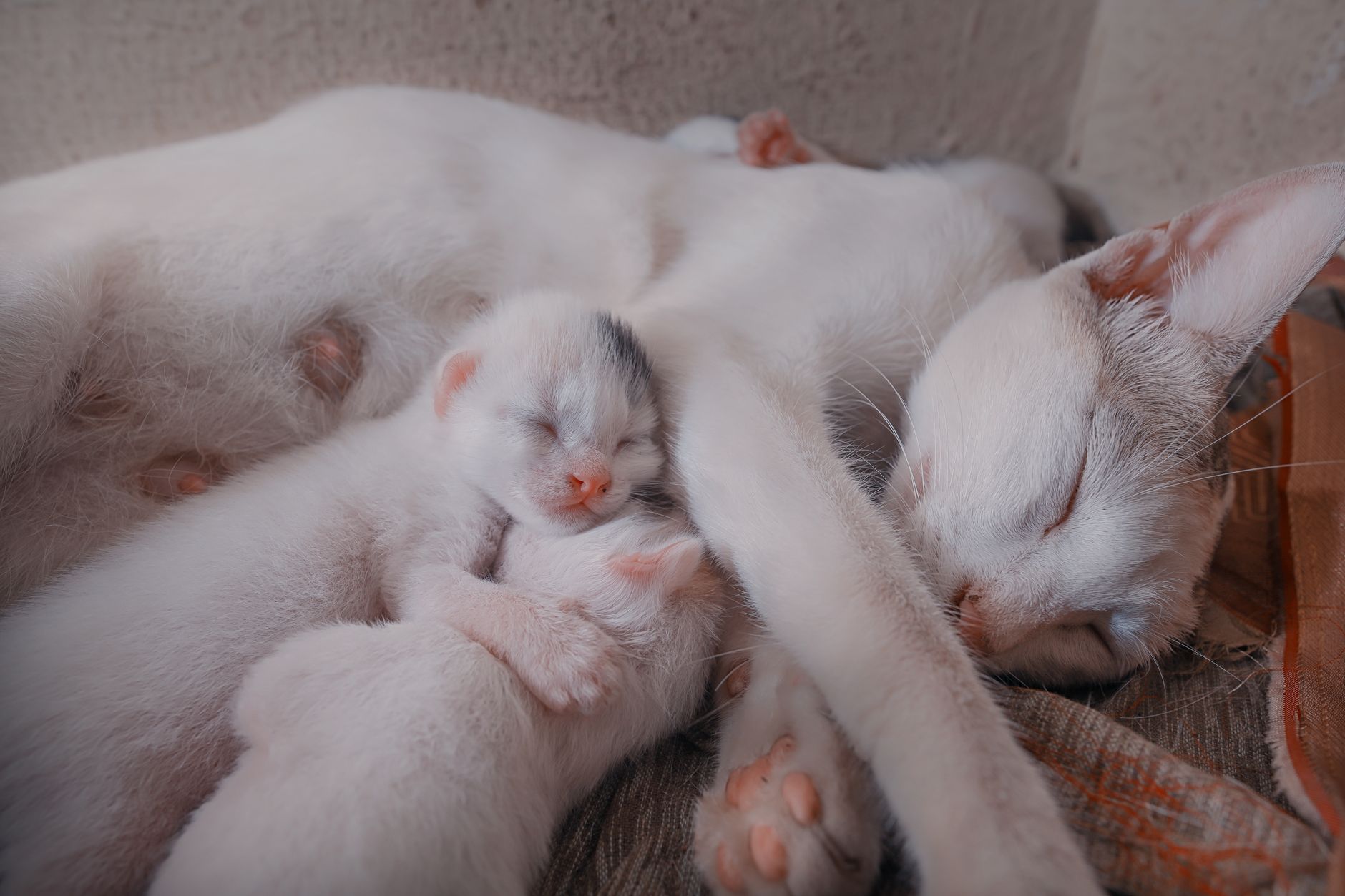
Yes, typically, 3 week old kittens are still nursing from their mother. While they are beginning to explore solid food, their primary source of nutrition remains their mother’s milk, providing essential antibodies and nutrients for healthy development.

The Vital Role of Nursing in Early Kitten Development
Nursing is absolutely crucial for the survival and healthy development of kittens in their first few weeks of life. A mother cat’s milk, also known as colostrum in the first few days, provides vital antibodies that protect against disease. This passive immunity is essential as kittens’ own immune systems are not yet fully developed.
- Colostrum: Rich in antibodies, delivered within the first 24-48 hours after birth.
- Mother’s Milk: Provides essential nutrients, fats, and proteins.
- Bonding: Nursing fosters a strong bond between the mother cat and her kittens.
The 3-Week Milestone: A Transition Phase

At 3 weeks old, kittens are undergoing significant developmental changes. They are becoming more mobile, their eyesight is improving, and they are starting to explore their surroundings. This is also the time when you might observe them showing interest in solid food.
- Increased mobility and coordination.
- Improved vision and hearing.
- Teeth are beginning to emerge.
- Exploration of their environment.
However, despite these advancements, 3 week old kittens still rely heavily on their mother’s milk for the majority of their nutritional needs. Their digestive systems are not yet fully mature enough to process large amounts of solid food efficiently.
Introducing Solid Food: A Gradual Process
Introducing solid food should be a slow and gradual process. Start with a high-quality kitten food that is specifically formulated for their age group. Mix it with kitten milk replacer or warm water to create a gruel-like consistency.
- Begin with a small amount of food.
- Offer it several times a day.
- Monitor their reaction and adjust accordingly.
- Ensure fresh water is always available.
Remember that even as they begin eating solid food, it is crucial that 3 week old kittens continue to nurse from their mother. The mother’s milk provides essential nutrients and antibodies that solid food cannot fully replicate at this stage.
Monitoring Kitten Health During the Weaning Process
Carefully monitoring the kittens’ health during the weaning process is essential. Look for signs of distress, such as diarrhea, vomiting, or lethargy. If you notice any of these symptoms, consult with a veterinarian immediately. Weight gain is also a key indicator of proper nutrition.
- Regularly weigh the kittens to ensure they are gaining weight.
- Observe their behavior and activity levels.
- Check their stool for any abnormalities.
- Consult with a veterinarian if you have any concerns.
The weaning process, where kittens transition from milk to solid food, usually takes several weeks. Typically, a mother cat naturally begins to discourage nursing as the kittens grow and become more independent. While the frequency and duration of nursing sessions decrease as kittens grow, Are 3 week old kittens still nursing? Yes, even if they have had their first taste of solid food.
Understanding the Mother Cat’s Role
The mother cat plays a crucial role in the weaning process. She instinctively knows when it is time to start encouraging her kittens to eat solid food. She may gradually decrease the amount of time she allows them to nurse, which will stimulate their appetite for other sources of nutrition. The mother cat’s health is also important. Make sure she is fed a nutritious diet and has plenty of fresh water to support milk production, if she is still nursing frequently.
Factors Affecting Nursing Duration
Several factors can influence how long kittens nurse, including:
- Breed: Some breeds might wean earlier or later than others.
- Litter Size: Larger litters may require longer nursing periods.
- Mother Cat’s Health: An unhealthy mother may wean her kittens earlier.
- Availability of Solid Food: Providing readily available solid food will encourage weaning.
| Factor | Effect on Nursing Duration |
|---|---|
| Breed | Varies |
| Litter Size | Larger = Longer |
| Mother’s Health | Poor = Shorter |
| Solid Food Access | Readily available = Shorter |
Frequently Asked Questions (FAQs)
Is it normal for a 3 week old kitten to still primarily nurse?
Yes, it is entirely normal and expected. At 3 weeks old, a kitten’s digestive system is still developing, and they rely on their mother’s milk for the majority of their nutritional needs. Solid food is typically introduced as a supplement, not a replacement, for their mother’s milk.
How often should a 3 week old kitten nurse?
While the frequency can vary slightly, 3 week old kittens should nurse several times a day. The exact number of times depends on the mother’s milk production and the kitten’s individual needs. Observe the kittens’ behavior to ensure they appear satisfied after nursing.
When should I start weaning my kittens off their mother’s milk?
The weaning process usually begins around 3-4 weeks of age and continues gradually over several weeks. Start by introducing small amounts of kitten food mixed with kitten milk replacer or water.
What kind of food should I give a 3 week old kitten for weaning?
Choose a high-quality kitten food that is specifically formulated for their age group. The food should be easily digestible and provide all the necessary nutrients for healthy growth and development. Wet food is often easier for young kittens to eat than dry food.
How do I know if my 3 week old kitten is getting enough milk?
Several indicators can help you determine if your 3 week old kitten is getting enough milk. Weight gain is a key sign; kittens should be steadily gaining weight. They should also appear content and active after nursing, and their coats should be healthy and shiny.
What if the mother cat isn’t producing enough milk?
If you suspect that the mother cat isn’t producing enough milk, supplement with kitten milk replacer. This specialized formula is designed to mimic the nutritional composition of a mother cat’s milk and can help ensure that the kittens are getting the nutrients they need. Consult with a veterinarian.
Can I separate a 3 week old kitten from its mother?
Separating a 3 week old kitten from its mother is generally not recommended. Kittens need their mother’s milk for nutrition and the social learning that happens during this critical development time. Separation this early can lead to emotional and physical issues.
What are the signs that a kitten is ready to be fully weaned?
Kittens are typically ready to be fully weaned around 6-8 weeks of age. They will be eating solid food regularly, showing less interest in nursing, and their teeth will be more fully developed.
What should I do if a 3 week old kitten refuses to eat solid food?
If a 3 week old kitten refuses to eat solid food, try offering different flavors or textures. Warm the food slightly to make it more appealing, and be patient. If the kitten continues to refuse solid food after several attempts, consult with a veterinarian.
How long does the weaning process typically take?
The weaning process usually takes about 3-4 weeks. It’s a gradual process, so don’t rush it. Allow the kittens to adjust to solid food at their own pace, and continue to monitor their health and weight gain.
What are the potential health problems associated with early weaning?
Early weaning can lead to several health problems, including malnutrition, digestive issues, and behavioral problems. Kittens who are weaned too early may also be more susceptible to infections.
If I find an abandoned 3 week old kitten, what should I do?
If you find an abandoned 3 week old kitten, the best course of action is to try and locate its mother. If the mother cannot be found, contact a local animal shelter or rescue organization for guidance. They can provide you with the resources and support you need to care for the kitten. You will need to provide kitten formula and assistance with elimination and warmth.